Background "Switchblade" is a track from aespa's second album LEMONADE (released May 29, debuting at No. 9 on the Billboard 200 with 41,000 equivalent album units in its first week), featuring American singer Ty Dolla $ign. The official music video has just been released. The song got an early preview back in July, when aespa and Ty Dolla $ign performed it together for the first time at Lollapalooza. What fans and most listeners are watching for now is whether this video — arriving more than two months after the album's release — can push the track onto the Billboard Global 200 for the first time.
Will "Switchblade" chart on the Billboard Global 200?
YesResult
43.22%
NoResult
56.78%
553 Polls
EndedTBD
Track record aespa has charted on the Global 200 before: "Whiplash" reached a career-best No. 5, marking the group's first top-10 entry on the chart, and the album's title track "Armageddon" landed at No. 84. That history shows charting isn't unusual for aespa's music and gives this a reasonable foundation. Still, "Switchblade" is a comparatively lower-profile collaboration track on the album, and with the video landing so long after the album's initial rollout, whether it can match the chart performance of previous lead singles remains uncertain.
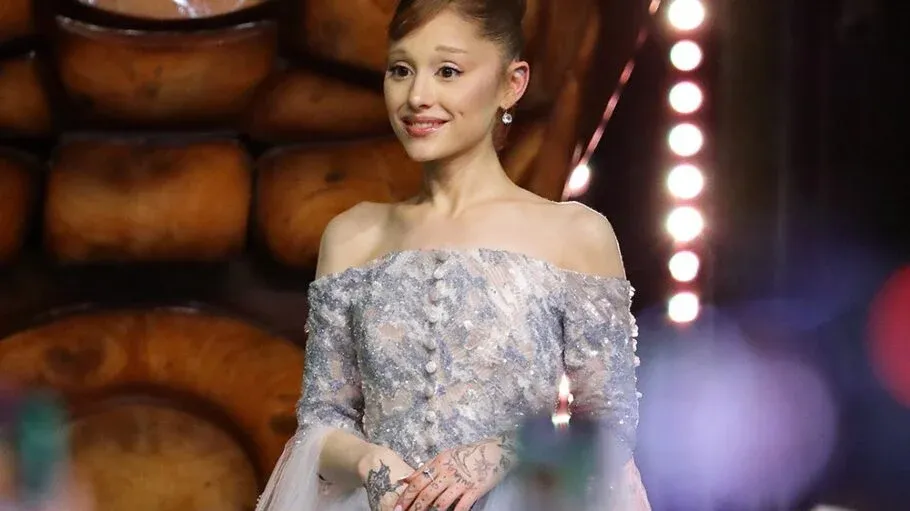
Ariana Grande is stepping out of the spotlight for an extended break after she wraps her Eternal Sunshine Tour, a rep for the actress and pop star told People. The rep’s statement cited “ongoing public scrutiny” as one of the reasons for the pause.
“Ariana will be taking a step back from visibility after she completes the Eternal Sunshine Tour,” Grande’s rep said. “She looks forward to finishing the tour and ending it on a high note, both healthily and happily, and then taking a much-deserved break from public-facing work and appearances, which has led to endless, ongoing public scrutiny. This tour has been a beautiful experience for her. She loves her fans and has loved every minute of this tour so much.”
People also reported that Grande has dropped out of Stephen Sondheim’s West End revival of “Sunday in the Park With George.” Grande was set to star alongside Jonathan Bailey in the production.
The Eternal Sunshine Tour wraps on Sept. 1, meaning Grande is gunning for a break starting in the early fall. However, Grande is soon starring in “Focker-in-Law” alongside Robert De Niro and Ben Stiller. That film is positioned to be a holiday hit for Universal and arrives in theaters the day before Thanksgiving. It will most likely require a splashy promotional tour and many public appearances from Grande and her co-stars.
Universal did not immediately comment on whether Grande’s plan will interfere with the “Focker-in-Law” press tour.
The “public scrutiny” mentioned by the rep could point to several things. In recent years, as Grande has risen to super stardom, her physical appearance has been put under the microscope in certain online circles. Her “Petal” music video, which was released on Friday, reignited fan concerns about her weight loss.
Grande, a three-time Grammy winner and former child star of Nickelodeon favorites like “Victorious” and “Sam & Cat,” reached Hollywood A-list status with the 2024 release of the “Wicked” movie. Grande played Glinda, the good, opposite Cynthia Erivo’s Elphaba. The film was a cultural phenomenon, earning Academy Award nominations for best picture and best supporting actress for Grande. It also won two Oscars for best costume design and best production design. Grande and Erivo went on a globe-trotting press tour for the ages to promote the movie musical. The sequel “Wicked: For Good” was likewise a hit, but didn’t require as much promotional legwork from its stars.
Will the production confirm a replacement for Ariana Grande's role as Dot sometime in 2026?
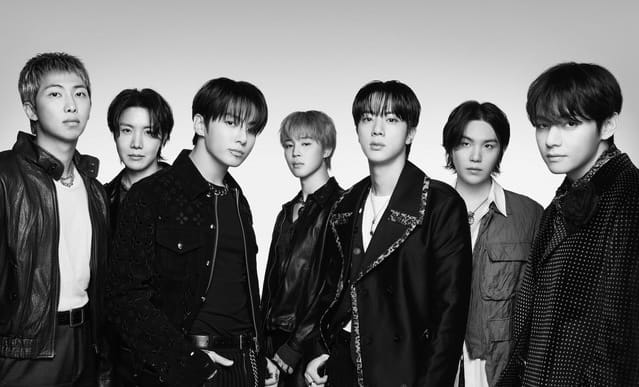
On the Billboard chart dated August 1 (tracking data through July 28), BTS's "Normal"—the second official single from the album ARIRANG—returned to the Hot 100 at No. 33, a new career peak for the track. The song first entered the chart in early April at No. 41, and this marks its fourth non-consecutive week on the list. The direct trigger for this reentry was the official music video's release on July 17. The question now being debated is whether the song will still be sitting on the Hot 100 a month from now, on September 1, 2026.
The Numbers, and How They Stack Up Historically
According to Luminate, "Normal" sold 20,700 digital downloads in its most recent tracking week—nearly three times the total of the runner-up, "Dai Dai," the official World Cup anthem, which moved roughly 7,200 copies. That gave BTS the No. 1 spot on the Digital Song Sales chart. This particular win ties the group with Drake for the third-most chart-toppers in the history of that tally, trailing only Taylor Swift's 32 and Nicki Minaj's 17. Worth noting: the song BTS outsold nearly three-to-one happened to be an officially branded World Cup track, a detail that speaks to the group's underlying fan-driven purchasing power.
The Mechanics Behind the Release
The team built a deliberately sequenced rollout for "Normal." On July 13 and 14, teaser content appeared in the San Francisco Chronicle and the New York Post, respectively, laying groundwork for the music video a few days later. The video itself followed a staggered release: it debuted exclusively on Spotify on July 17, then went live globally on YouTube two days later, on July 19, alongside a simultaneous release of the Korean-language digital single. This kind of staggered rollout is a fairly common tactic—by creating two separate release moments rather than one, it gives media and fans two distinct windows to pay attention, which helps explain how the song managed to outsell its nearest competitor by close to threefold.
International Contrast and the Album-Wide Ripple Effect
Three separate factors are worth untangling here. First, the vinyl release: a limited-edition picture disc released July 17, bundled with two bonus tracks ("Voice Message: Love Song" and the Korean version of "Normal"), directly contributed 12,500 equivalent album units—nearly a third of the album's total weekly gain of 40,000 units—with vinyl sales alone up 398% week-over-week. Billboard identified this as the primary driver behind the week's sales increase, making it the one factor with a clear, direct link to ARIRANG's chart performance. Second, streaming and sales outside the U.S.: streams in markets outside the United States jumped 182% week-over-week to 22.8 million, while physical sales abroad rebounded from a near-negligible base to 27,000 units, pushing "Normal" to a new career-high No. 2 on the Global Excl. U.S. chart. This data likewise feeds directly into the song's own sales and streaming totals, suggesting the rise wasn't purely a U.S. sales push but reflected genuine organic listening growth abroad as well. Third, the World Cup exposure: BTS's halftime performance did produce a measurable lift in overall visibility—global streams of "Dynamite" rose 43% during the event window, and social media mentions topped 3 million within hours. But this data measures BTS's brand-level attention rather than anything tied specifically to ARIRANG. There's currently no independent evidence that this exposure translated into a quantifiable bump in the album's own sales or streaming; the measurable drivers behind the album's gain remain the vinyl release and international streaming.
A Useful Precedent: "Swim's" Track Record
The album's lead single, "Swim," offers the closest available comparison. Released alongside the album on March 20, it has spent 17 to 18 non-consecutive weeks on the Hot 100, at one point nearly dropping out of the chart entirely at No. 100, before rebounding again to No. 85 in this same tracking period as "Normal's" return. That run ties "My Universe," BTS's collaboration with Coldplay, as the group's third-longest-charting hit, behind only "Dynamite" (32 weeks) and "Butter" (20 weeks). The precedent suggests BTS's fanbase has shown a real capacity to repeatedly revive a song even from the bottom rungs of the chart, rather than producing only a single one-off sales spike. That said, there's a limitation worth flagging: "Swim" is the album's lead single, while "Normal" is its second. Whether fans will invest the same level of purchasing effort in a non-lead track remains an open question.
Will BTS's "Normal" still be on the Billboard Hot 100 chart dated September 1, 2026?
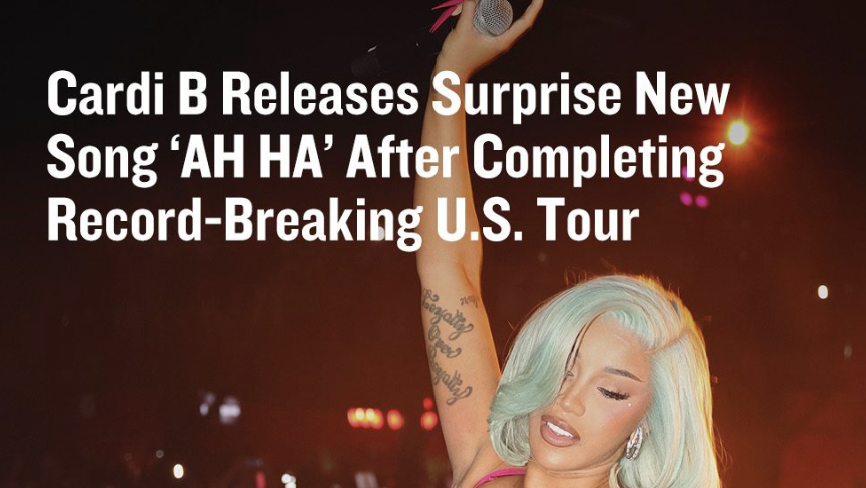
Cardi B released "AH HA" via Atlantic Records on July 31, 2026, her first new single since 2025's Am I the Drama? The track was produced by DJ SwanQo, who has previously worked with her on "Up" and "Enough (Miami)." Ahead of release, she previewed a clip on social media on July 27, which drew a strong response. The single's commercial performance has since become a subject of public anticipation.
The Last Comeback: Am I the Drama?
Am I the Drama? (released September 19, 2025) opened with 200,000 equivalent album units, topping the Billboard 200 — her second chart-topping album. Combined with the performance of her 2018 debut, Invasion of Privacy, which also opened at No. 1 with 255,000 units, this made her the only female rapper whose first two albums both debuted atop the Billboard 200. However, the 200,000-unit opening was roughly 55,000 units below her debut's first-week total, indicating that while her commercial standing remains solid, her growth trajectory has not been continuously upward. Taken together, this data suggests Cardi B is currently in a phase where her commercial performance remains strong, but the pace of growth has begun to level off at the margins.
The Specific Chart Target
According to Official Charts, this single is positioned to become her 15th entry on the UK Official Singles Chart, and also her first entry on that chart since 2023. The "15th entry" points to a consistent track record on this chart, while "first since 2023" highlights a notable gap in her UK singles chart presence in recent years — a gap that happens to span the entire promotional cycle of Am I the Drama?, which is worth noting.
Early Signals and Same-Week Competition
The single logged 923,000 Spotify streams on its first full day, placing at No. 94 on the U.S. Spotify chart. The same week saw a cluster of releases from Future, Olivia Rodrigo, Katseye, and Anitta, meaning "AH HA" enters an unusually crowded release window that could divert some chart exposure.
Will "AH HA" reach the Top 40 of the UK Official Singles Chart this week, by August 7?
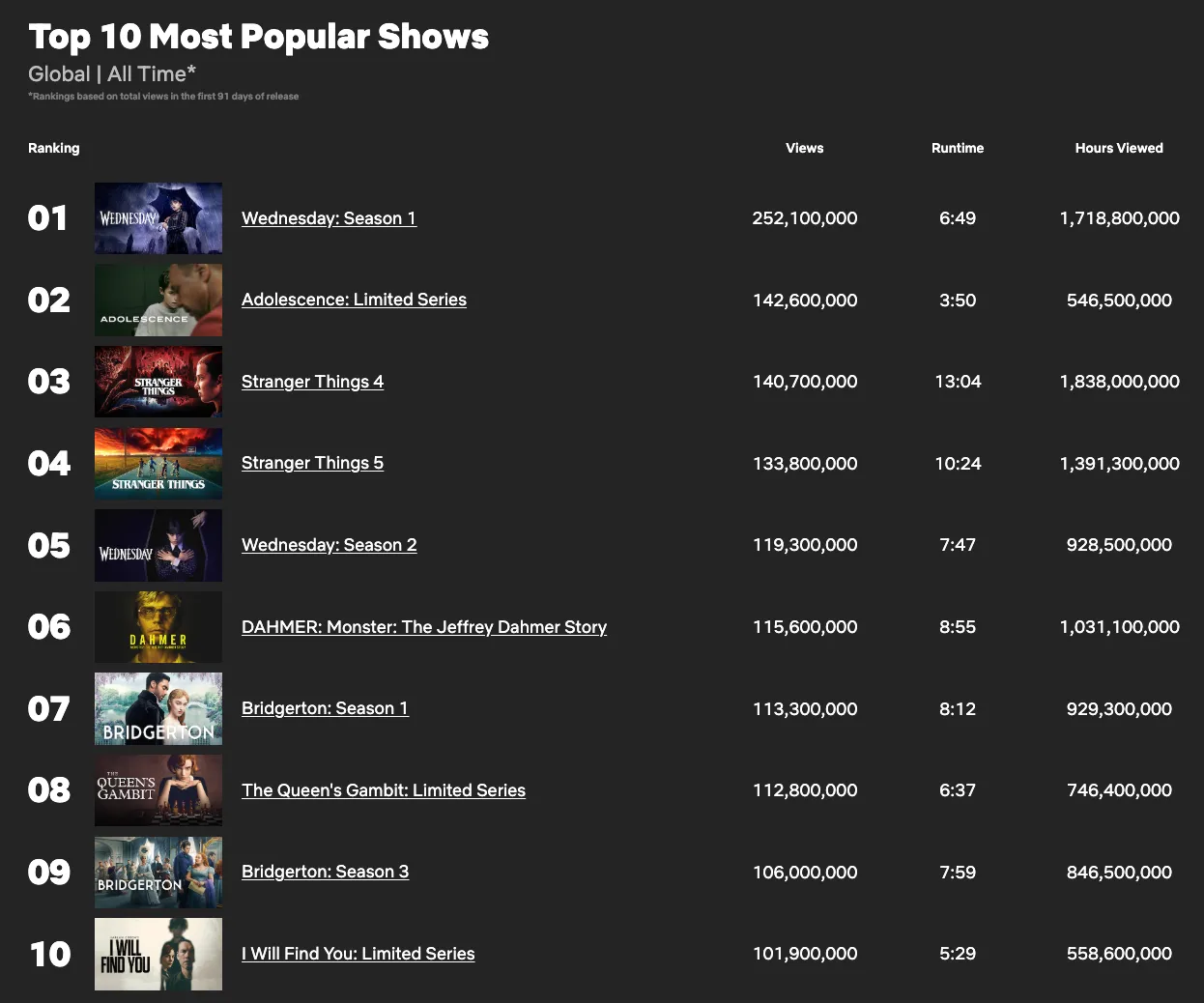
Harlan Coben’s “I Will Find You” has become Netflix‘s No. 10 most-popular English-language TV series of all time, having reached a cumulative 101.9 million views in the six weeks since its release.
Previously, the No. 10 spot belonged to the limited series “His & Hers,” which stars Tessa Thompson and Jon Bernthal and reached 98.2 million views earlier this year. Netflix calculates its all-time lists by measuring each title’s total viewership in its first 91 days of streaming, meaning “I Will Find You” still has more than a month to continue building its audience. “Bridgerton” Season 3 is the next title to beat, having reached 106 million views in 91 days back in 2024, while 2020’s “The Queen’s Gambit” sits in eighth place with 112.8 million views.
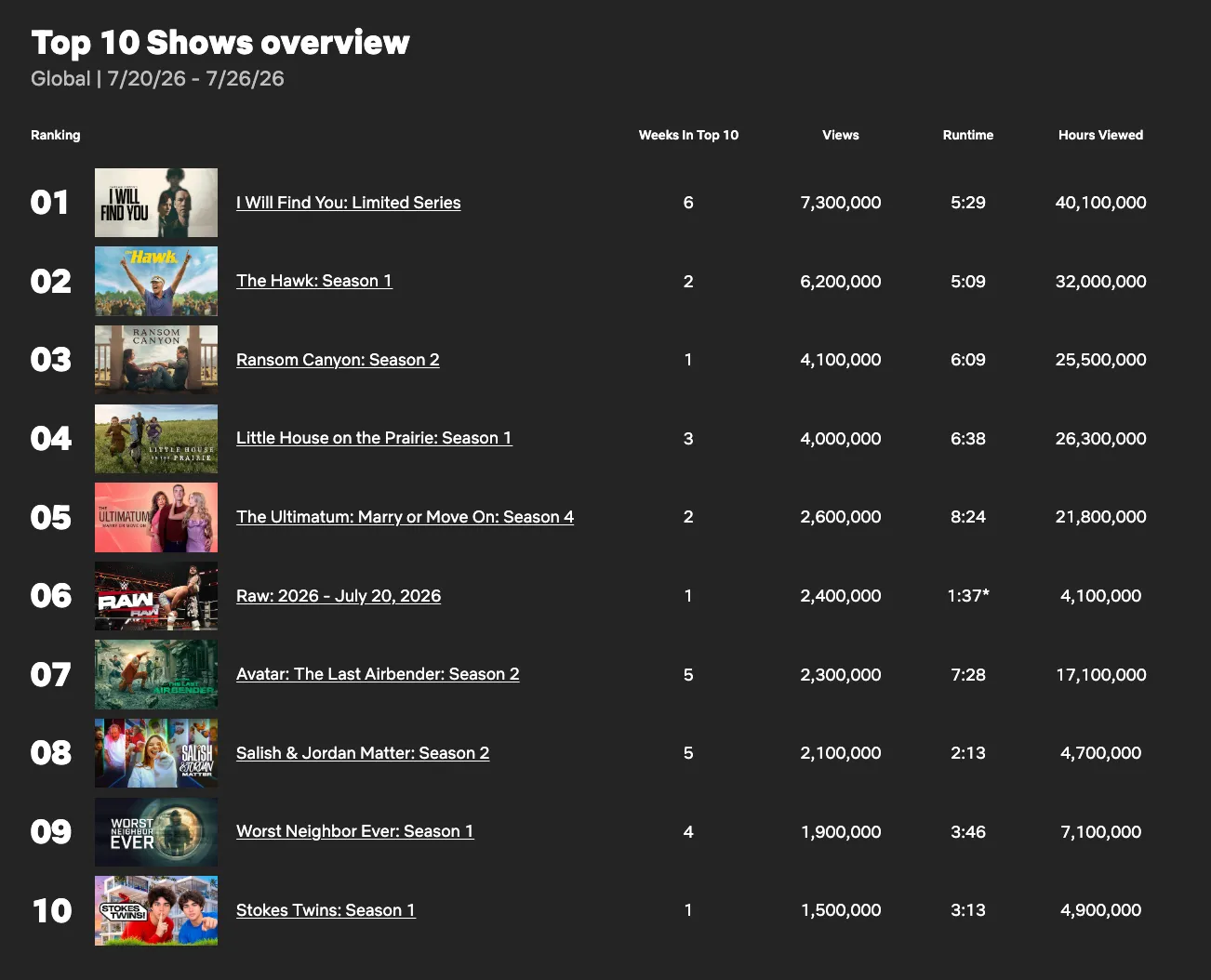
“I Will Find You” debuted on June 18 and became not only Netflix’s most-watched English-language TV title of the week, but its biggest series debut of 2026. It held onto the No. 1 spot for four consecutive weeks before being overtaken by the debut “Little House on the Prairie” for one week, but it has since reclaimed the top position with 7.3 million views during the week of July 20-26.
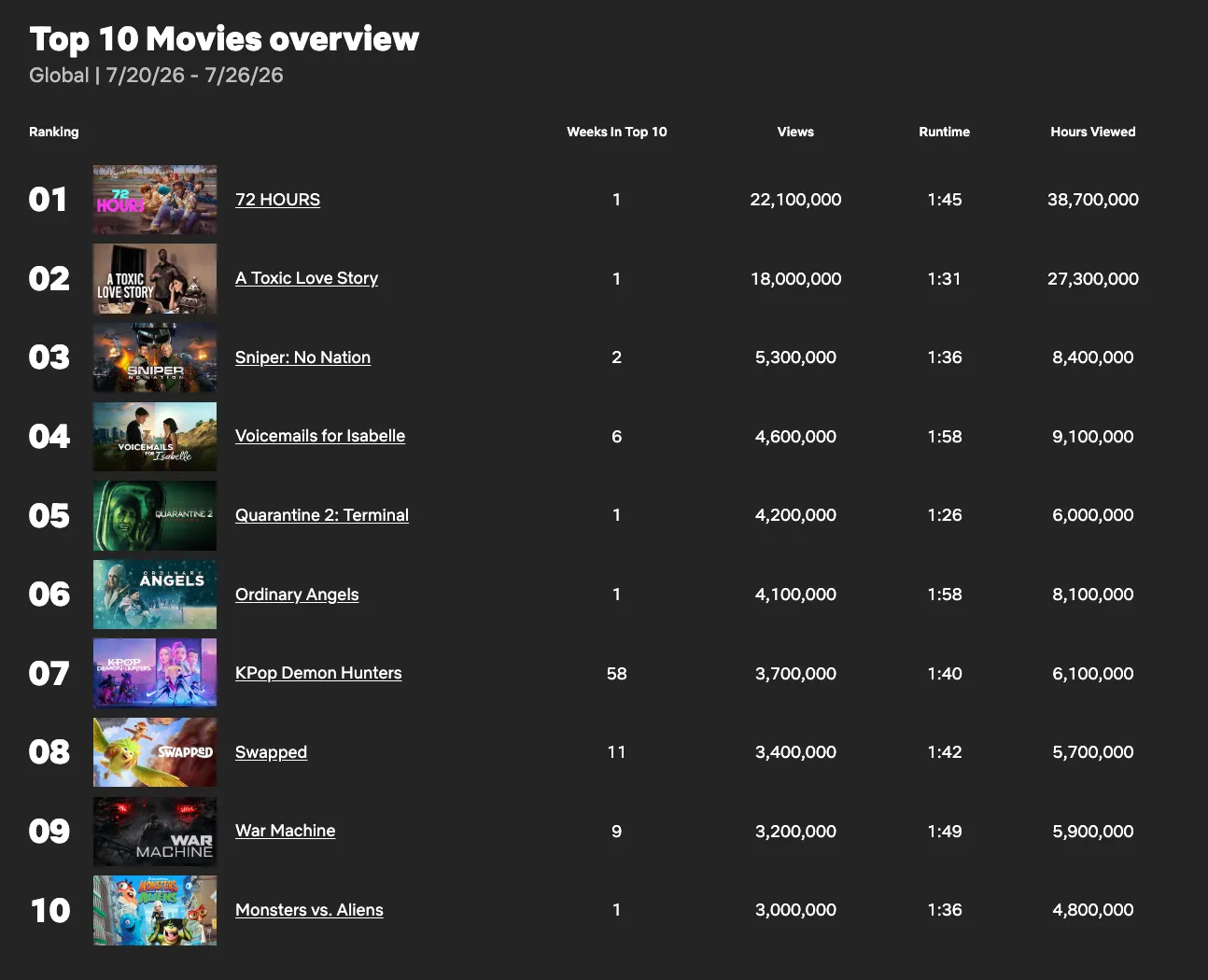
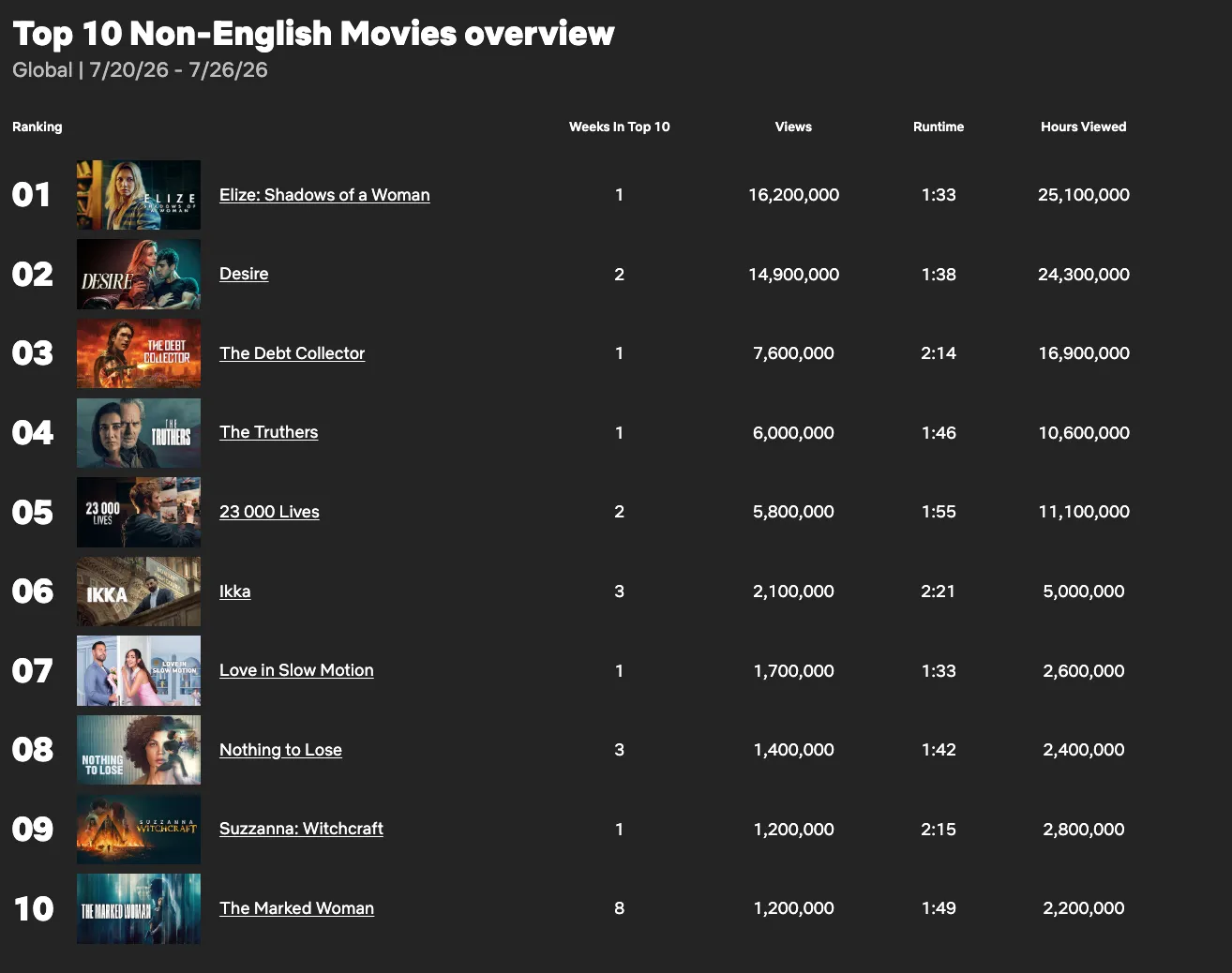
See the Netflix Top 10 for July 20-26 below, beginning with English-language shows and movies and followed by non-English-language shows and movies.
Will "I Will Find You" surpass Bridgerton Season 3's 106 million views before its 91-day counting window closes in mid-September, moving into the No. 9 spot on Netflix's all-time English-language TV rankings?
On May 19, 2026, Warner Music Korea announced a global partnership with FeelGHood Music, the agency representing South Korean singer BIBI, with financial terms undisclosed. The official announcement described the deal as designed to "co-create new music and bring it to the world," with Warner Music Korea president Jieun Kim stating the company would provide "global infrastructure and creative support" for BIBI's career. Notably, the announcement made no mention of "distribution" as a specific term, nor did it reference physical sales channels or retail networks — the kind of narrow, mechanism-specific language typical of distribution-focused deals. This appears to be a broader partnership centered on creative and promotional support. Whether this type of deal, without an explicit distribution component, can help BIBI achieve her first-ever entry on the Billboard Global 200 within a year — by May 2027 — is the question now drawing public attention.
According to currently verifiable records, BIBI's best result to date is "Bam Yang Gang" (2024), which topped the regional "Billboard South Korea" chart and was named to Billboard's 2024 list of the best K-pop songs of the year; however, no confirmed record currently exists of her reaching the Billboard Global 200.
A Deal Type Already Verified to Work: Distribution-Driven Partnerships
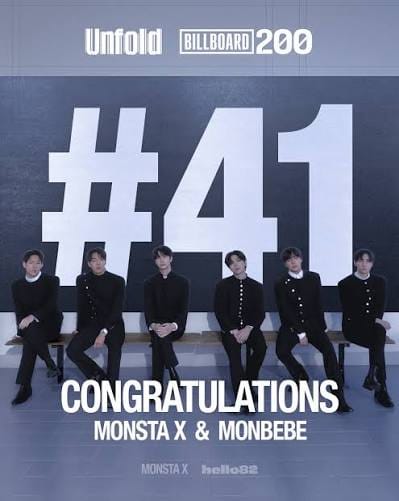
Billboard's own 2025 year-end review of the K-pop industry documented several specific cases where distribution partnerships produced measurable chart results. Independent label hello82, a Los Angeles-based K-pop label specializing in U.S. market distribution support for Korean artists, partnered with American distribution firm ONE HUNDRED LABEL Group, after which EXO member Baekhyun scored his first-ever solo Billboard 200 entry, debuting at No. 121. After hello82 began providing physical single distribution services for ATEEZ, the group made its Billboard Hot 100 debut, with two songs landing at No. 68 and No. 69. Monsta X, meanwhile, achieved its first Billboard 200 entry with a Korean-language album through distribution support from The Orchard (a global distribution company owned by Sony Music) — a milestone the group had previously only reached with English-language albums produced specifically for international markets.
The mechanism behind these results shows that Billboard's chart methodology relies on formally tracked U.S. domestic sales and distribution data. Some Korean artists, despite strong streaming numbers, may not be fully counted toward these charts simply because they lack a formal U.S. distribution channel. However, this mechanism has so far only been verified in deals where distribution was explicitly the core function of the partnership — a structure that doesn't fully align with the emphasis of BIBI's deal. Whether a broader label partnership can overcome distribution constraints and deliver a similar breakthrough is precisely what this deal has yet to demonstrate.
A Comparable Case in the Same Category: A Result Pointing the Other Way
Under the same leadership team — president Jieun Kim, Asia-Pacific president Lo-Ting Fai, and A&R head Oscar Scivier — Warner Music Korea had already signed a similar agreement in March 2026 with MAINSTREAM, the agency representing rapper Lee Young Ji, roughly two and a half months before the BIBI deal. That partnership used the same "co-create and bring to the world" framing and likewise made no mention of a specific distribution mechanism, making it a relatively direct point of reference for testing whether this broader, creation-focused deal type can independently move Billboard outcomes.
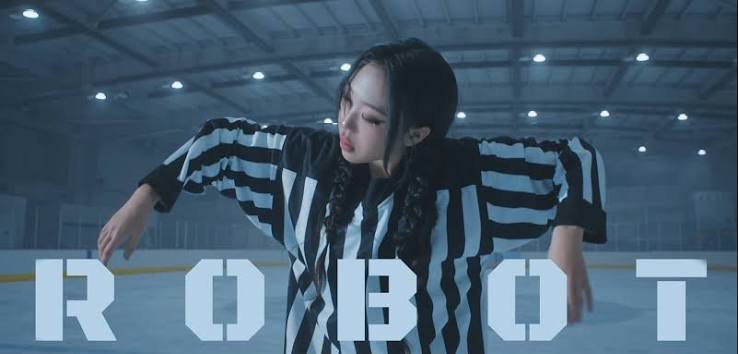
The results so far run counter to the intuitive narrative that "signing a deal necessarily has a positive effect on chart performance." Before the deal, Lee Young Ji's 2024 single "Small Girl," featuring EXO's D.O., reached No. 38 on the Billboard Global 200. After the deal, the partnership's first release, "Robot" (February 2026), failed to chart on the Global 200 or any regional Billboard chart. It's also worth noting that Lee Young Ji had already completed her first solo European tour in January 2025, before signing with Warner — suggesting she already possessed some international market footing independent of this partnership. Taken together, this case currently suggests that creative and promotional support alone, without an explicit distribution component, has not yet demonstrated an independent effect on chart outcomes. That said, the song's own production and competitive context are also factors shaping this result, as the next section explains.
Data Limitations: Small Sample Size and Confounding Variables
While the Lee Young Ji case is currently the most relevant point of reference, its result still allows for multiple interpretations. "Small Girl's" chart entry may owe more to the crossover fan base generated by featuring EXO's D.O. than to any effect of the label partnership itself. "Robot's" absence from the charts could similarly reflect a lack of a comparable guest feature, differences in musical style, or an especially competitive release window — Lee Young Ji's "Robot" landed in the same month as comebacks from BLACKPINK, IVE, ATEEZ, and ZEROBASEONE, among other prominent acts. With a limited sample size, it isn't possible to isolate "signing with a major label" as an independent causal variable, nor is it appropriate to draw the broader conclusion that creation-focused partnerships are generally ineffective.
Will BIBI achieve her first-ever entry on the Billboard Global 200 within a year of signing with Warner Music Korea, by May 2027?
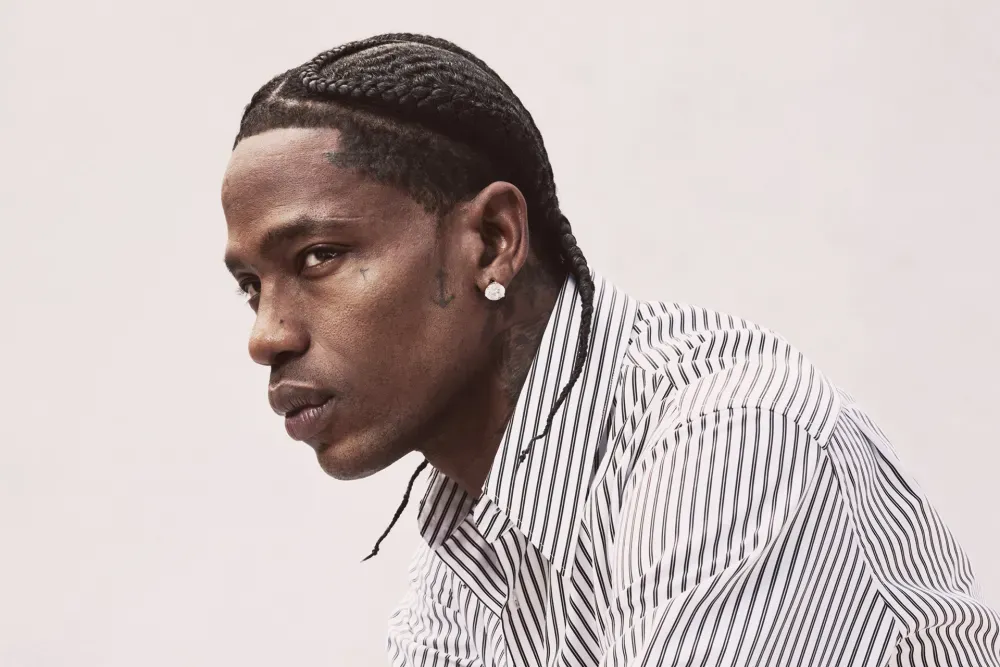
On today’s episode of “Daily Variety” podcast, in our Cover Story segment, Variety’s Angelique Jackson details her time spent with multihyphenate superstar Travis Scott, who comes off a record-setting music tour with a high-profile role in the movie of the moment, Christopher Nolan’s “The Odyssey.”
Scott has emerged as a star in the new realm of omnipresent celebrity that is expressed through record-setting music tours, social media, retail brand partnerships across a spectrum of products and companies as giant as McDonald’s as well as a range of business ventures in his hometown of Houston and beyond. One of his next big mountains to climb is getting serious about producing his own movie and TV shows. Scott’s Cactus Jack banner recently struck a first-look deal to develop projects for Paramount Pictures.
Scott has a small but significant role in Christopher Nolan’s powerful epic “The Odyssey,” and he collaborated on the film’s original end-credit song, “When I’m Home.” Jackson, who is Variety‘s senior entertainment writer, drew him out on his ambition as a film and TV producer and his level of interest in staying active in front of the camera as an actor.
“He’s going to play himself in a comedy movie with Owen Wilson called ‘Rolling Loud’ that they filmed during his [tour] back in 2024. He enjoys acting. He thinks it’s fun, but because he is such a creative visionary, he is much more interested in creating,” Jackson explains. “Which is why this Paramount deal has happened. He’s more of a big-picture visionary, whereas acting is being in service of someone else’s vision. So he has more interest in producing and directing. He’s been writing screenplays. He wants to make remake [the 1979 drama] ‘The Warriors’ potentially, which is a Paramount title.”
Will Travis Scott's new album be officially released within 2026?
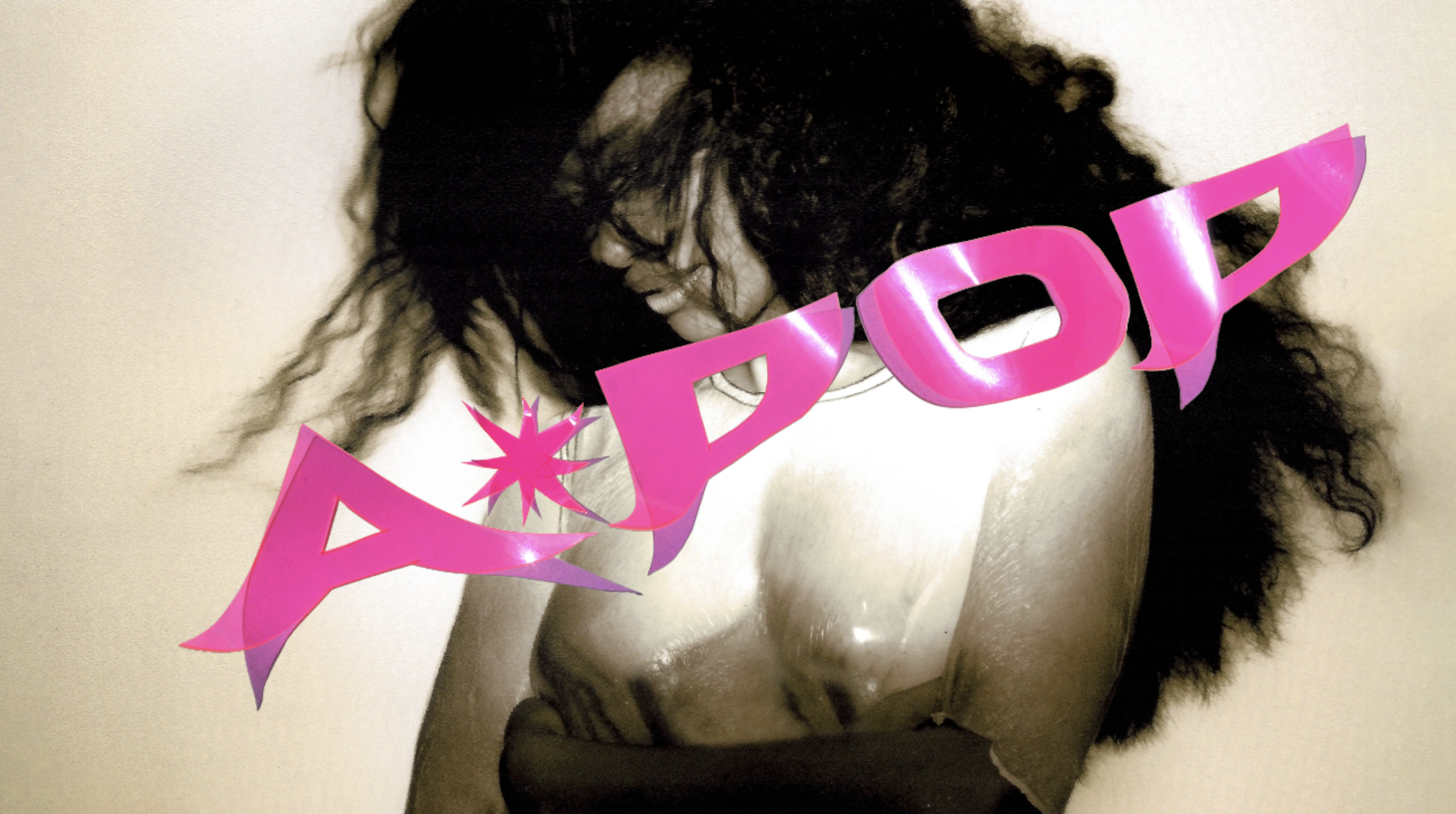
South African singer Tyla broke out in 2023 with "Water," a hit largely fueled by a viral TikTok dance challenge that soundtracked over 600,000 videos, eventually becoming the first song by an African artist to surpass one billion Spotify streams and making her the highest-charting African female act on the Billboard Hot 100. It also earned her a first Grammy, for Best African Music Performance. On July 24, she released her second studio album, A*Pop, a 14-track project.
A Sound in Transition
Tyla describes her sound as "popiano," a blend of pop melodies and South African amapiano rhythms. Compared to her amapiano-heavy debut, A*Pop is seen by some fans and critics as leaning further into pop, led by single "Chanel" and the Zara Larsson collaboration "She Did It Again" — a shift that has sparked online debate over whether it strays from her original sound.
The Record She's Chasing
Her self-titled debut (March 2024) opened with 24,000 equivalent album units, debuting at No. 24 on the Billboard 200 — the highest chart position ever reached there by an African solo act. She has won the Grammy for Best African Music Performance twice, for "Water" and "Push 2 Start," and holds eight Billboard Music Award nominations with two wins.
Early Signals, and a Same-Day Rival
A*Pop logged 4.82 million Spotify streams on its first full day, led by "THAT GIRL," though none of its tracks cracked Spotify's global or U.S. daily top charts. Notably, Charli xcx released Music, Fashion, Film the same day, meaning the two albums are competing directly for the same week's chart exposure and consumer spending. Official Billboard first-week sales haven't been released; unverified estimates range from as low as 12,500 units to upward of 13,500.
Will A*Pop reach the Billboard 200's top 24, matching or beating the record set by Tyla's debut album?
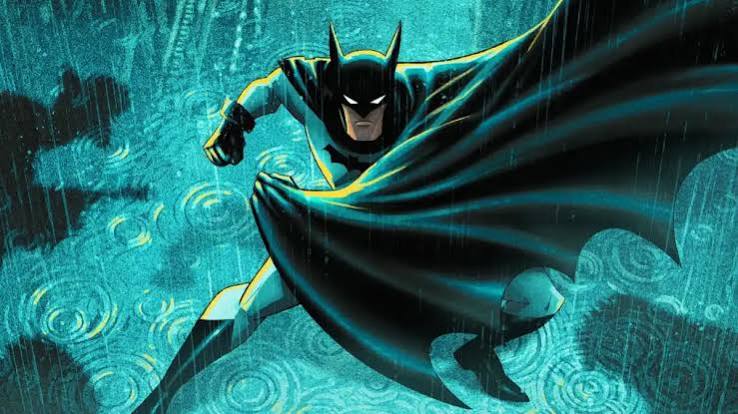
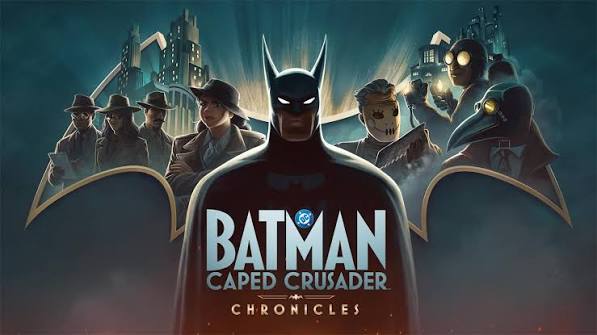
Batman: Caped Crusader's first season premiered on Prime Video on August 1, 2024, running ten episodes under the joint stewardship of executive producers Bruce Timm, J.J. Abrams, and The Batman director Matt Reeves. The season closed with a 94% Rotten Tomatoes critic score across 71 reviews. Season 2 returns July 31, marking the character's first appearance of the Joker in this iteration, with the production team describing the take as "very different" from prior portrayals. Whether the second season can hold or exceed that 94% critical benchmark is a question currently being widely debated.
Season 1's Reach: Platform Performance, Awards, and Demand Trajectory
Upon release, Season 1 displaced The Boys Season 4 — which had concluded on July 18 and previously held the top spot — from the number-one position on Amazon Prime Video's internal Top 10 chart, becoming the platform's leading title at the time. The season also collected two awards nominations: a 2025 Saturn Award nomination for Best Animated Television Series/Special, and a 2025 Critics' Choice Award nomination for Best Animated Series (the latter category was ultimately won by X-Men '97).
According to Parrot Analytics, Season 1's audience demand peaked at 9.7 times the average U.S. television series, placing it in the top 2.7% of all shows tracked in that period. However, the same reading showed a month-over-month demand decline of 8.1%. Taken together, this positions the show as a solid, above-average performer rather than a runaway phenomenon — one with an established pattern of natural demand decay between bursts of new content.
A Crowded Release Window
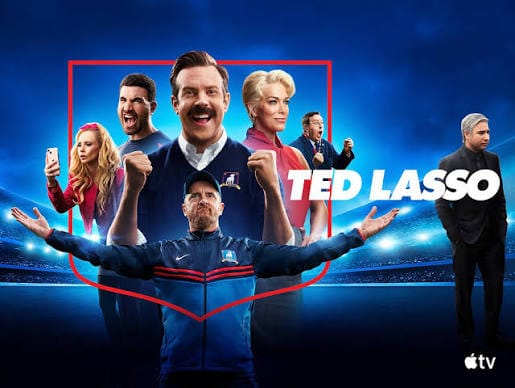
Season 2's July 31 return lands close to Ted Lasso's fourth season, premiering August 5. Parrot Analytics data from Ted Lasso's peak period put its demand at 62.3 times the average global series — more than six times Caped Crusader's 9.7x figure, placing the two shows in fundamentally different demand tiers. This gap matters for a critic-score prediction specifically: entertainment press attention in the same release window is likely to skew toward a title generating demand at that scale, which could limit the volume and prominence of coverage Caped Crusader Season 2 receives in its opening days.
Production Variables: Outsourced Studios and Early Quality Concerns
Season 1's animation was handled by two South Korean studios, Studio IAM (six episodes) and Studio Grida (four episodes), both of which originated as support-tier spinoffs from the more established Studio Mir, known for work including The Legend of Korra. Neither IAM nor Grida has an independent track record of carrying a major production on its own. Fan communities examining released stills from Season 2 have raised concerns about a possible dip in animation quality, speculating about a lower-tier team or reduced production capacity — an observation that remains unverified and community-sourced rather than officially confirmed, but worth flagging given that animation execution was one of the most consistently cited strengths in Season 1 reviews. Any decline here would directly affect a pillar of the show's critical reception.
Why Critics and Audiences Diverged, and What That Means for Season 2
Season 1's 94% critic score sat well above its 55% audience score on Rotten Tomatoes. That gap traces to a specific pattern: critics broadly rewarded bold reinterpretations of classic villains, such as the gender-swapped Penguin, while the core fan base responded to those same choices with more mixed reactions. Season 2 continues this approach, introducing a gender-swapped Mad Hatter and, more significantly, its first take on the Joker — a character carrying far more weight with longtime fans than the Penguin did. Producers have again signaled this version will diverge sharply from prior portrayals.
If the Season 1 pattern holds, this could actually work in favor of the specific metric being predicted: professional critics have shown a consistent preference for creative reinvention, meaning a divisive Joker redesign could still score well with reviewers even if it provokes stronger audience backlash. In other words, the critic score and audience score may continue moving in different directions, and predicting this critic-score metric specifically requires weighing critics' demonstrated taste for reinvention against the production risk factors outlined above.
Will Batman: Caped Crusader's second season match or exceed Season 1's 94% Rotten Tomatoes critic score?
Yes
On June 12, 2026, the U.S. Department of Justice approved Paramount Skydance's acquisition of Warner Bros. Discovery, closing out an eight-month antitrust review with a finding that the deal did not pose a threat to competition. At roughly $111 billion including debt, with an equity value near $81 billion, it stands as the largest merger in streaming history, surpassing Disney's acquisition of 21st Century Fox, which closed at approximately $71.3 billion.
DOJ clearance, however, has turned out to be far from the finish line. The transaction is now caught between three separate and simultaneous legal fronts: an antitrust lawsuit brought by a coalition of state attorneys general and the Writers Guild of America in the United States, a formal competition review by the UK's Competition and Markets Authority, and a possible separate intervention by the UK's culture secretary on media plurality grounds. The question this deal now raises isn't whether it will close on the original schedule — that possibility has already been foreclosed by a legal settlement — but whether these three fights will ultimately derail it altogether, or simply make it slower and more expensive to complete.
How the Deal Came Together
The path to Paramount's ownership of Warner Bros. Discovery ran through an unusually public bidding war. In December 2025, Netflix reached an agreement to acquire WBD's studio and streaming operations — excluding its linear cable networks — for a price reported between roughly $72 billion and $83 billion. Paramount Skydance responded with a hostile takeover bid for the entire company, cable networks included, going directly to shareholders after WBD's board had already recommended the Netflix deal. In January 2026, Paramount raised its offer to $31 per share and added a "ticking fee" provision, under which it would owe WBD shareholders additional payments for every quarter the deal remained unclosed past September 30, 2026. On February 26, 2026, WBD's board determined that Paramount's revised bid constituted a "superior proposal," and Netflix declined to raise its own offer, formally withdrawing from the contest. As part of its winning terms, Paramount agreed to cover the $2.8 billion termination fee WBD owed Netflix to exit that earlier agreement, and separately committed to a $7 billion regulatory termination fee, payable if the deal ultimately fails to close for regulatory reasons. WBD shareholders approved the transaction with Paramount in the following months.
The practical implications of the deal, if it closes, are substantial. Paramount CEO David Ellison would run both Paramount and Warner Bros. simultaneously — two of Hollywood's legacy studios under one roof. Paramount+ and HBO Max would merge into a single streaming service, meaning subscribers could eventually find Game of Thrones and Paramount's classic film library on the same platform. On the content side, it would effectively create a two-studio rivalry structure in the superhero genre, with Disney and Marvel on one side and a combined Paramount/Warner — home to DC — on the other. And with CNN and CBS News under common ownership, questions about news independence have become a recurring point of public and regulatory concern.
The U.S. Front: State Attorneys General and the Writers Guild
On July 13, 2026, a coalition of twelve state attorneys general, led by California's Rob Bonta, filed suit to block the merger. The Writers Guild of America filed a separate but related lawsuit around the same period, raising similar antitrust concerns. Both complaints allege that the merger would combine two of the five major cable network operators and two of the five major theatrical film distributors, substantially reducing competition in basic cable, wide theatrical release, and tentpole film distribution.
On July 20, U.S. District Judge Araceli Martínez-Olguín granted the states a temporary restraining order, halting any steps toward closing or integrating the two companies. That order was later extended through August 17. Then, on July 24, in what both sides have characterized as a significant procedural turn, Paramount reached a settlement with the state coalition and the WGA: the companies agreed not to close the transaction until five days after a court ruling on the merits of the case, or June 1, 2027, whichever comes first. As part of that agreement, a hearing originally scheduled for August 3 on whether to impose a longer preliminary injunction was canceled, and the parties were instructed to submit a proposed trial schedule by July 31. No trial date has yet been set. If the court ultimately rules in favor of the states, the merger would be blocked, with Paramount retaining the right to appeal.
The UK Front: A Competition Review and a Possible Ministerial Intervention
Running in parallel is a review by Britain's Competition and Markets Authority, the UK's counterpart to the DOJ's antitrust division, tasked with assessing whether the merger would harm competition specifically within the UK market — relevant here because both companies' content, including HBO's library and CNN's news operations, reaches substantial UK audiences.
The CMA opened its Phase 1 investigation on June 9, with a statutory deadline of August 7 to determine whether the deal presents a "realistic prospect of a substantial lessening of competition." If it finds such a risk, the companies would have five working days to propose remedies, which the CMA would then have up to five additional working days to evaluate. Should no acceptable remedy emerge, the case would move to a Phase 2 investigation — a deeper review that can take as long as 24 weeks, or roughly six months.
Layered on top of that process is a separate and, as of now, entirely open-ended variable: on June 30, 2026, UK Culture Secretary Lisa Nandy indicated she was "minded to" issue a public interest intervention notice on the grounds of media plurality. If formally issued, this would trigger parallel reviews by both the broadcasting regulator Ofcom and the CMA, independent of the standard competition review already underway. As of the most recent reporting, the UK Parliament has gone into summer recess without Nandy having made a final decision, leaving this particular front suspended in uncertainty for at least a month, with no clear timeline for resolution. It's also worth noting that the UK's merger control regime is non-suspensory — meaning Paramount could, in theory, proceed with other aspects of the deal without waiting for UK clearance — though the company has publicly stated its intention to respect the UK process regardless.
Why This Matters Beyond the Boardroom
The stakes here extend well past corporate structuring. If completed, the merger of Paramount+ and HBO Max would directly challenge Netflix's position as the world's largest streaming service by subscriber count. On the creative side, it would formalize a genuine two-studio rivalry in franchise filmmaking, pitting Disney and Marvel against a combined Paramount and Warner Bros., home to the DC universe. For creators and labor, the merger raises real questions about consolidation-driven layoffs and project cancellations — precisely the concern that led the Writers Guild to file suit in its own right, rather than leaving the fight solely to state regulators. And the prospect of CNN and CBS News operating under the same ownership umbrella has become a recurring point of concern for regulators and the public alike, a worry echoed directly in the UK culture secretary's stated rationale around media plurality.
How the Three Timelines Interact
No trial date has been set for the U.S. antitrust case, meaning the litigation could, in theory, run all the way to the agreed outer limit of June 1, 2027. The UK's CMA could issue its Phase 1 finding as soon as August 7, but if the case is referred to a Phase 2 investigation, that alone could stretch the process into early 2027. The Culture Secretary's potential intervention has no defined timeline at all, making it the most opaque variable in the entire picture. Critically, these three fronts are not sequential fallback options — they're parallel risks, and any one of them resolving unfavorably, whether a U.S. court ruling for the states or a CMA decision to block the deal, could be sufficient to derail the transaction entirely. Clearing two of the three fronts successfully would not, on its own, guarantee the deal survives.
Will Paramount's acquisition of Warner Bros. Discovery officially close before the U.S. antitrust settlement's outer deadline of June 1, 2027?
LVMH reported H1 2026 on July 27 — a "solid but uneven" print by the company's own framing, with a genuine inflection in Fashion & Leather Goods undercut by a miss against consensus and an unusually harsh stock reaction for a division showing sequential improvement.
Will LVMH luxury product sells recovery in Asia, in 3Q2026?
YesResult
62.63%
NoResult
37.37%
281 Polls
EndedTBD
TL;DR:
What's Good:
Fashion & Leather Goods returned to growth for the first time in seven quarters — a real inflection, not just noise. The fashion and leather goods division, a key profit driver, achieved its first positive growth in seven quarters (+1% Q2), largely attributed to Jonathan Anderson's impact at Dior and new Louis Vuitton boutiques.
Growth accelerated sequentially, and would have been even stronger without the Middle East drag. Growth accelerated to 3% organically in the second quarter, or 4% excluding the impact of the conflict in the Middle East.
Watches & Jewelry was a genuine standout across the whole half. Watches and jewelry also shined with 11% Q2 growth, boosted by Tiffany, Bvlgari, and TAG Heuer, capping 9% organic growth for the full half.
Wines & Spirits delivered both revenue and profit growth, a break from recent history of decline in this division. The Wines & Spirits division saw a 5% organic growth, supported by volume growth and improving demand, particularly in Europe and Japan, with recurring operating profit climbing 11% to €582 million.
US demand strength broadened — both locals and tourists, not just one or the other. Cécile Cabanis reported strong momentum in the U.S. market, with both local demand and tourism accelerating in Q2 — a reversal from Q1, where tourism was impacted by exchange rates.
What's Missed:
Fashion & Leather Goods still missed the specific number analysts had modeled, even while improving. Fashion and leather-goods growth missed the consensus estimate by 0.7 percentage point, an important difference because the division remains central to LVMH's earnings profile and investor expectations — a case where "better" wasn't "good enough."
Perfumes & Cosmetics posted no growth at all. Revenue remained stable on an organic basis in the first half of 2026 — flat is flat, even if management frames it as a deliberate trade-off for brand equity over volume.
Europe was still in outright decline. A significant slowdown in Europe (-1% H1) stood out as the one major mature region not showing improvement.
Key Debates:
Is the Fashion & Leather Goods rebound a durable inflection or a low-bar bounce tied to one creative refresh?
Is the improving Asia trend a real Chinese demand recovery, or a fragile bounce?
How much of the growth shortfall is genuinely attributable to the Middle East conflict, versus using it as a convenient explanatory factor?
Currency: headwind now, tailwind later — or an accounting distraction from the real demand story?Does the stock's depressed valuation and six-year-low framing reflect a rational re-rating of slower luxury growth, or an overreaction to one division's 0.7-point miss?
Does insider buying from the Arnault family holding companies mean anything predictive, or is it a coincidental/lagging signal?
Is Perfumes & Cosmetics' flat growth a sustainable strategic choice or slow share loss dressed up as discipline?
Thomas Plantenga unabashedly says he’s been “stealing” from companies across the globe. The chief executive officer of Vinted, Europe’s biggest consumer-to-consumer fashion marketplace, says he freely borrowed from their strategies to put together an online platform that’s now shaking up the region’s €500 billion ($573 billion) fashion industry.
Thomas Plantenga Source: Vinted
Founded in 2008 as a platform for individuals to buy and sell secondhand clothes, Vinted has created such a formidable marketplace that the platform, along with some of its rivals, is eating into the sales of fashion and luxury houses. McKinsey’s State of Fashion 2026 report says the secondhand market will grow two to three times faster than the firsthand one from 2025 to 2027 as penny-pinching consumers seek bargains.
“The risk for the overall sector is that secondhand clothing cannibalizes the sale of new fashion,” analysts at RBC Capital Markets wrote in a note this month, also pointing out that many international labels are rushing to blunt the impact with resale offers of their own.
Will the global resale apparel market grow faster than the firsthand apparel market in 2027?
YesResult
38.86%
NoResult
61.14%
422 Polls
EndedTBD
With the taboo around buying and selling secondhand clothes evaporating, celebrities like Paris Hilton, Paul Mescal and Chloë Sevigny openly talk about their sales on such platforms.
As economic necessity and a sustainability-conscious new generation lift the stigma around used clothes, about 60% of global consumers are likely to shop resale this year, McKinsey estimates.
The global resale apparel market is expected to reach $317 billion by 2027, the consulting firm said, a 23% jump from last year. The scale and technology of the marketplaces have brought them to “an inflection point,” letting them turn millions of transactions into profits, the report said.
“The real driver is the consumer,” said Poonam Goyal, a senior retail analyst at Bloomberg Intelligence. After years of inflation, shoppers have become more value-conscious, while younger generations increasingly see buying secondhand as mainstream, she said. “People are proud of buying resale. They want to show off the deal they found. It’s a completely different mindset.”
Vinted has led the pack in Europe by massively investing in logistics, payments and technology to draw in more buyers and sellers to its platform. That’s given it the scale and critical mass to keep it ahead of its rivals.
The company, valued at €8 billion during a secondary share sale this year, counts EQT, BlackRock, Ontario Teachers’ Pension Plan and Schroders Capital among investors, and is gearing up for what could be one of Europe’s largest technology-based initial public offerings in recent years.
The US push pits Vinted against established rivals including the industry’s “original gangster” eBay, which this year bought fashion platform Depop for about $1.2 billion to strengthen its secondhand offering, Facebook Marketplace, Poshmark and ThredUp.
“Whether we will be able to actually compete and win in that market is a very big question,” Plantenga said, declining to share details of its plans there. Vinted is in early-stage testing in the US and is encouraged by initial results, he said. Wells Fargo analysts covering eBay, said in their July note that Vinted’s US daily active users jumped more than six-fold in the second quarter from a year earlier following its January market entry.
The global appetite for resale fashion has spawned a slew of players. They include platforms like Japan’s Mercari; the UK’s Hardly Ever Worn It and Depop; Vestiaire Collective in France; The RealReal in the US, among several others. Many have struggled to translate demand into consistent profitability.
Vestiaire Collective expects to post its first annual profit in 2026, more than 15 years after it was created, while in Asia — one of the fastest-growing regions — platforms like Alibaba-backed Idle Fish, Poizon, Mercari and Kream are scaling rapidly.
Can Vinted take meaningful market share from Depop, Poshmark and eBay in the US?
YesResult
20.80%
NoResult
79.20%
226 Polls
EndedTBD
Access to inventory — either through brands looking to offload excess supplies or individuals looking to make a buck from items they no longer wear — is one of the biggest hurdles for the platforms.
After taking over in 2016, Vinted’s Plantenga overhauled the company’s business model, most notably by removing seller fees and charging buyers instead. The changes attracted more inventory, improved marketplace liquidity and laid the foundation for profitability, allowing Vinted to invest heavily in its infrastructure that investors now view as its key competitive advantage.
Vinted processed €10.8 billion of merchandise in 2025, up 47% from a year earlier, while revenue rose 38% to €1.1 billion. Net profit fell 19% to €62 million as it accelerated investment in Germany and in Vinted Go, its logistics business. That drop didn’t stop investors from valuing the company at €8 billion this year, up from €5 billion in 2024.
Through Vinted Go, the company operates thousands of drop-off points in Europe. Photographer: Loic Venance/AFP/Getty Images
Sweden’s EQT, which first invested in Vinted in 2021 and remains one of its largest shareholders, argues the company’s competitive advantage now extends well beyond secondhand fashion. Brochado says the company increasingly resembles scaled marketplace companies like Airbnb, Uber and MercadoLibre because of its network effects, technology infrastructure and expanding ecosystem.
The company has continued expanding across Europe and entered new product categories, including electronics, books and toys. Through Vinted Go, it operates more than 18,000 pickup and drop-off points across Europe, including lockers and designated shops, while Vinted Pay extends its reach into the payments ecosystem.
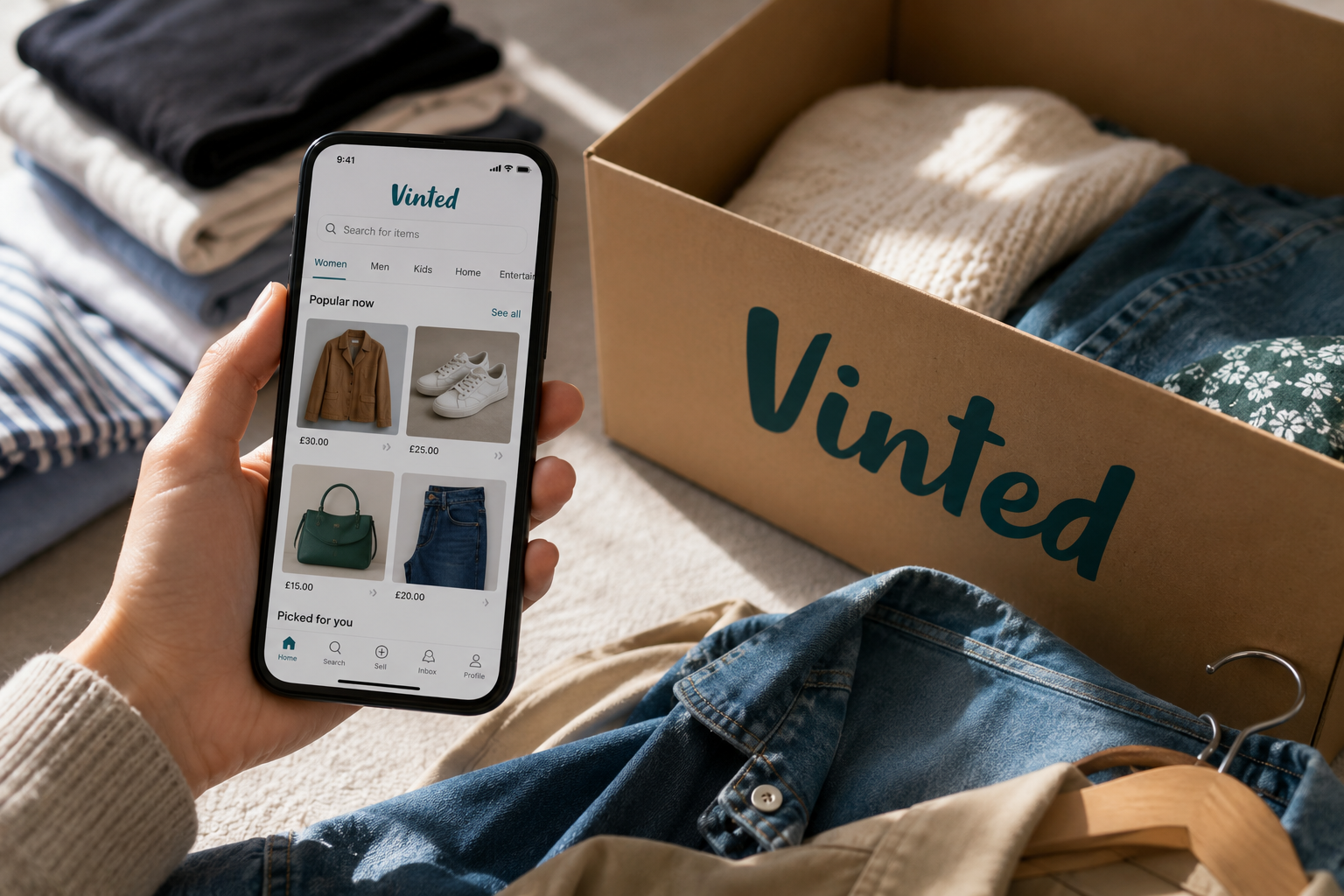
Vinted’s model is simple: Selling on the platform is free for the seller, who gets to keep 100% of the listed price. Sellers simply take photos of the items they want to sell, add a description, set the price and publish the listing on the app. When someone purchases an item, Vinted charges the buyer a small fee and provides the seller with a pre-paid shipping label. The seller then packs the item and drops it off at a local shipping point. Once the buyer acknowledges receipt, Vinted releases the money into the seller’s virtual wallet.
It’s that model that the company wants to bring to the US. Whether Vinted’s buyer-fee service can be replicated in the US remains an open question. Bloomberg Intelligence’s Goyal says US buyers would be much more resistant to paying a fee, especially if it’s added in separately instead of being built into the price.
But “if they can make it work in the US, they could end up setting a new standard that competitors might eventually follow, making the whole sector more profitable,” she said.
Plantenga said he’s already seeing signs of the shift. Rivals including Poshmark, Depop and Mercari have all moved toward Vinted’s buyer-fee model in recent years — a sign, he argued, that the European approach is setting the industry standard.