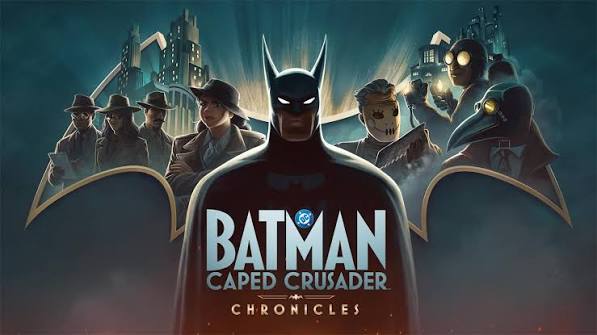
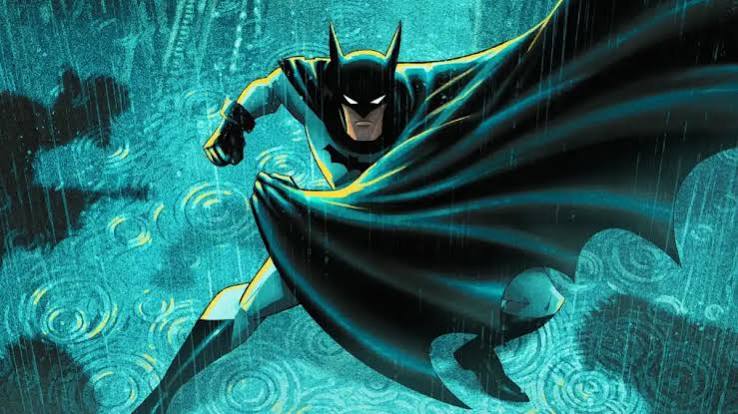
Batman: Caped Crusader's first season premiered on Prime Video on August 1, 2024, running ten episodes under the joint stewardship of executive producers Bruce Timm, J.J. Abrams, and The Batman director Matt Reeves. The season closed with a 94% Rotten Tomatoes critic score across 71 reviews. Season 2 returns July 31, marking the character's first appearance of the Joker in this iteration, with the production team describing the take as "very different" from prior portrayals. Whether the second season can hold or exceed that 94% critical benchmark is a question currently being widely debated.
Season 1's Reach: Platform Performance, Awards, and Demand Trajectory
Upon release, Season 1 displaced The Boys Season 4 — which had concluded on July 18 and previously held the top spot — from the number-one position on Amazon Prime Video's internal Top 10 chart, becoming the platform's leading title at the time. The season also collected two awards nominations: a 2025 Saturn Award nomination for Best Animated Television Series/Special, and a 2025 Critics' Choice Award nomination for Best Animated Series (the latter category was ultimately won by X-Men '97).
According to Parrot Analytics, Season 1's audience demand peaked at 9.7 times the average U.S. television series, placing it in the top 2.7% of all shows tracked in that period. However, the same reading showed a month-over-month demand decline of 8.1%. Taken together, this positions the show as a solid, above-average performer rather than a runaway phenomenon — one with an established pattern of natural demand decay between bursts of new content.
A Crowded Release Window
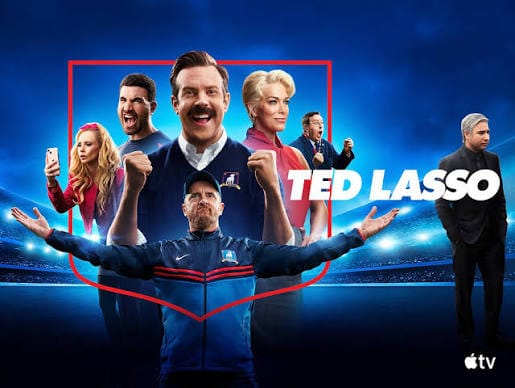
Season 2's July 31 return lands close to Ted Lasso's fourth season, premiering August 5. Parrot Analytics data from Ted Lasso's peak period put its demand at 62.3 times the average global series — more than six times Caped Crusader's 9.7x figure, placing the two shows in fundamentally different demand tiers. This gap matters for a critic-score prediction specifically: entertainment press attention in the same release window is likely to skew toward a title generating demand at that scale, which could limit the volume and prominence of coverage Caped Crusader Season 2 receives in its opening days.
Production Variables: Outsourced Studios and Early Quality Concerns
Season 1's animation was handled by two South Korean studios, Studio IAM (six episodes) and Studio Grida (four episodes), both of which originated as support-tier spinoffs from the more established Studio Mir, known for work including The Legend of Korra. Neither IAM nor Grida has an independent track record of carrying a major production on its own. Fan communities examining released stills from Season 2 have raised concerns about a possible dip in animation quality, speculating about a lower-tier team or reduced production capacity — an observation that remains unverified and community-sourced rather than officially confirmed, but worth flagging given that animation execution was one of the most consistently cited strengths in Season 1 reviews. Any decline here would directly affect a pillar of the show's critical reception.
Why Critics and Audiences Diverged, and What That Means for Season 2
Season 1's 94% critic score sat well above its 55% audience score on Rotten Tomatoes. That gap traces to a specific pattern: critics broadly rewarded bold reinterpretations of classic villains, such as the gender-swapped Penguin, while the core fan base responded to those same choices with more mixed reactions. Season 2 continues this approach, introducing a gender-swapped Mad Hatter and, more significantly, its first take on the Joker — a character carrying far more weight with longtime fans than the Penguin did. Producers have again signaled this version will diverge sharply from prior portrayals.
If the Season 1 pattern holds, this could actually work in favor of the specific metric being predicted: professional critics have shown a consistent preference for creative reinvention, meaning a divisive Joker redesign could still score well with reviewers even if it provokes stronger audience backlash. In other words, the critic score and audience score may continue moving in different directions, and predicting this critic-score metric specifically requires weighing critics' demonstrated taste for reinvention against the production risk factors outlined above.