
On June 12, 2026, the U.S. Department of Justice approved Paramount Skydance's acquisition of Warner Bros. Discovery, closing out an eight-month antitrust review with a finding that the deal did not pose a threat to competition. At roughly $111 billion including debt, with an equity value near $81 billion, it stands as the largest merger in streaming history, surpassing Disney's acquisition of 21st Century Fox, which closed at approximately $71.3 billion.
DOJ clearance, however, has turned out to be far from the finish line. The transaction is now caught between three separate and simultaneous legal fronts: an antitrust lawsuit brought by a coalition of state attorneys general and the Writers Guild of America in the United States, a formal competition review by the UK's Competition and Markets Authority, and a possible separate intervention by the UK's culture secretary on media plurality grounds. The question this deal now raises isn't whether it will close on the original schedule — that possibility has already been foreclosed by a legal settlement — but whether these three fights will ultimately derail it altogether, or simply make it slower and more expensive to complete.
How the Deal Came Together
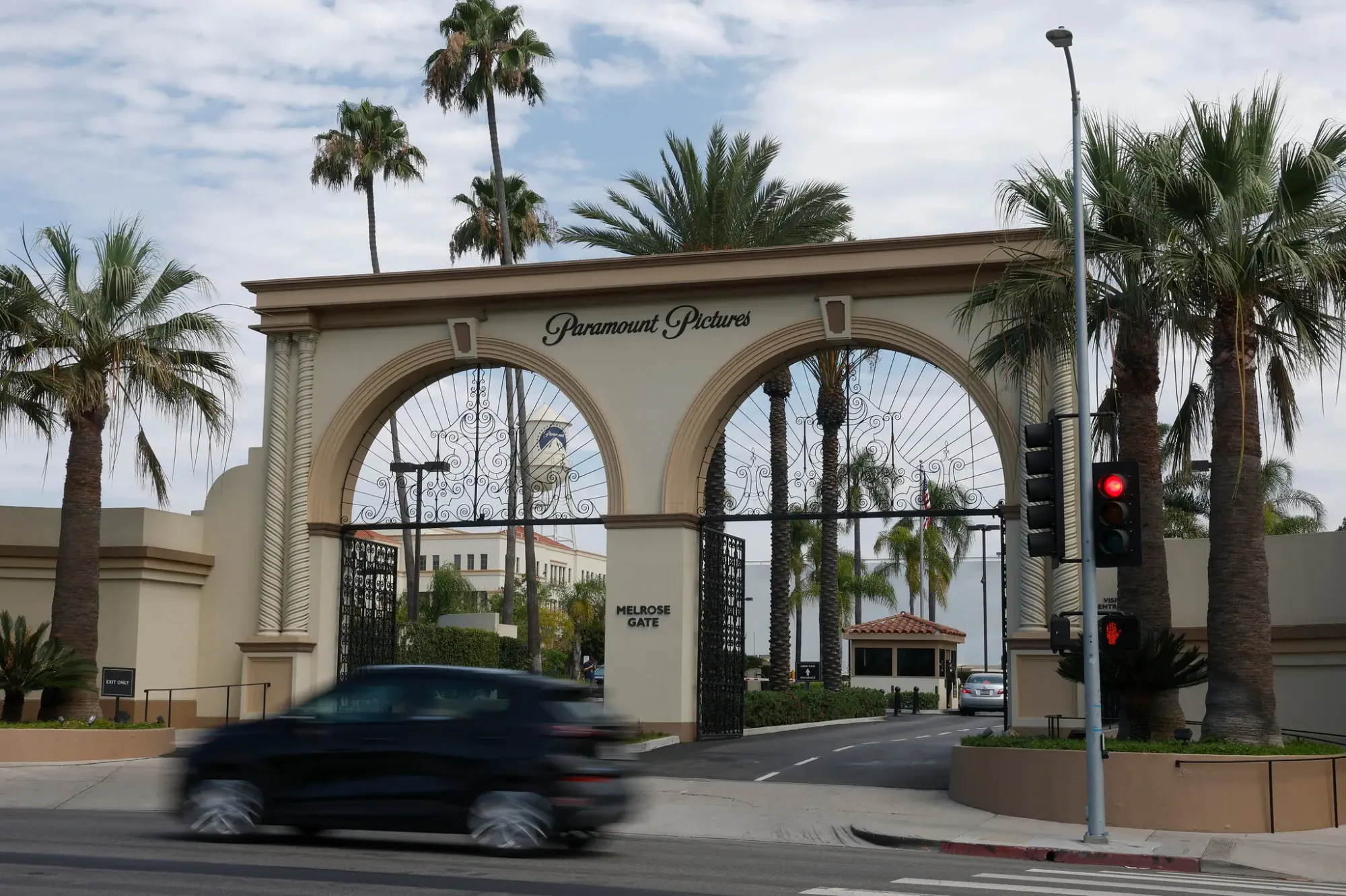
The path to Paramount's ownership of Warner Bros. Discovery ran through an unusually public bidding war. In December 2025, Netflix reached an agreement to acquire WBD's studio and streaming operations — excluding its linear cable networks — for a price reported between roughly $72 billion and $83 billion. Paramount Skydance responded with a hostile takeover bid for the entire company, cable networks included, going directly to shareholders after WBD's board had already recommended the Netflix deal. In January 2026, Paramount raised its offer to $31 per share and added a "ticking fee" provision, under which it would owe WBD shareholders additional payments for every quarter the deal remained unclosed past September 30, 2026. On February 26, 2026, WBD's board determined that Paramount's revised bid constituted a "superior proposal," and Netflix declined to raise its own offer, formally withdrawing from the contest. As part of its winning terms, Paramount agreed to cover the $2.8 billion termination fee WBD owed Netflix to exit that earlier agreement, and separately committed to a $7 billion regulatory termination fee, payable if the deal ultimately fails to close for regulatory reasons. WBD shareholders approved the transaction with Paramount in the following months.
The practical implications of the deal, if it closes, are substantial. Paramount CEO David Ellison would run both Paramount and Warner Bros. simultaneously — two of Hollywood's legacy studios under one roof. Paramount+ and HBO Max would merge into a single streaming service, meaning subscribers could eventually find Game of Thrones and Paramount's classic film library on the same platform. On the content side, it would effectively create a two-studio rivalry structure in the superhero genre, with Disney and Marvel on one side and a combined Paramount/Warner — home to DC — on the other. And with CNN and CBS News under common ownership, questions about news independence have become a recurring point of public and regulatory concern.
The U.S. Front: State Attorneys General and the Writers Guild
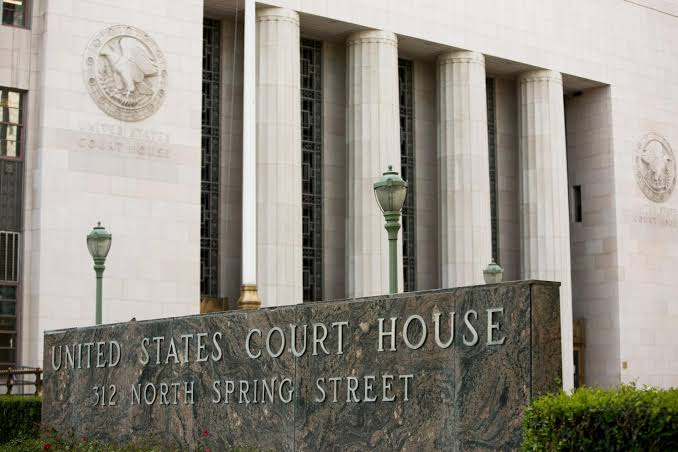
On July 13, 2026, a coalition of twelve state attorneys general, led by California's Rob Bonta, filed suit to block the merger. The Writers Guild of America filed a separate but related lawsuit around the same period, raising similar antitrust concerns. Both complaints allege that the merger would combine two of the five major cable network operators and two of the five major theatrical film distributors, substantially reducing competition in basic cable, wide theatrical release, and tentpole film distribution.
On July 20, U.S. District Judge Araceli Martínez-Olguín granted the states a temporary restraining order, halting any steps toward closing or integrating the two companies. That order was later extended through August 17. Then, on July 24, in what both sides have characterized as a significant procedural turn, Paramount reached a settlement with the state coalition and the WGA: the companies agreed not to close the transaction until five days after a court ruling on the merits of the case, or June 1, 2027, whichever comes first. As part of that agreement, a hearing originally scheduled for August 3 on whether to impose a longer preliminary injunction was canceled, and the parties were instructed to submit a proposed trial schedule by July 31. No trial date has yet been set. If the court ultimately rules in favor of the states, the merger would be blocked, with Paramount retaining the right to appeal.
The UK Front: A Competition Review and a Possible Ministerial Intervention
Running in parallel is a review by Britain's Competition and Markets Authority, the UK's counterpart to the DOJ's antitrust division, tasked with assessing whether the merger would harm competition specifically within the UK market — relevant here because both companies' content, including HBO's library and CNN's news operations, reaches substantial UK audiences.
The CMA opened its Phase 1 investigation on June 9, with a statutory deadline of August 7 to determine whether the deal presents a "realistic prospect of a substantial lessening of competition." If it finds such a risk, the companies would have five working days to propose remedies, which the CMA would then have up to five additional working days to evaluate. Should no acceptable remedy emerge, the case would move to a Phase 2 investigation — a deeper review that can take as long as 24 weeks, or roughly six months.
Layered on top of that process is a separate and, as of now, entirely open-ended variable: on June 30, 2026, UK Culture Secretary Lisa Nandy indicated she was "minded to" issue a public interest intervention notice on the grounds of media plurality. If formally issued, this would trigger parallel reviews by both the broadcasting regulator Ofcom and the CMA, independent of the standard competition review already underway. As of the most recent reporting, the UK Parliament has gone into summer recess without Nandy having made a final decision, leaving this particular front suspended in uncertainty for at least a month, with no clear timeline for resolution. It's also worth noting that the UK's merger control regime is non-suspensory — meaning Paramount could, in theory, proceed with other aspects of the deal without waiting for UK clearance — though the company has publicly stated its intention to respect the UK process regardless.
Why This Matters Beyond the Boardroom
The stakes here extend well past corporate structuring. If completed, the merger of Paramount+ and HBO Max would directly challenge Netflix's position as the world's largest streaming service by subscriber count. On the creative side, it would formalize a genuine two-studio rivalry in franchise filmmaking, pitting Disney and Marvel against a combined Paramount and Warner Bros., home to the DC universe. For creators and labor, the merger raises real questions about consolidation-driven layoffs and project cancellations — precisely the concern that led the Writers Guild to file suit in its own right, rather than leaving the fight solely to state regulators. And the prospect of CNN and CBS News operating under the same ownership umbrella has become a recurring point of concern for regulators and the public alike, a worry echoed directly in the UK culture secretary's stated rationale around media plurality.
How the Three Timelines Interact
No trial date has been set for the U.S. antitrust case, meaning the litigation could, in theory, run all the way to the agreed outer limit of June 1, 2027. The UK's CMA could issue its Phase 1 finding as soon as August 7, but if the case is referred to a Phase 2 investigation, that alone could stretch the process into early 2027. The Culture Secretary's potential intervention has no defined timeline at all, making it the most opaque variable in the entire picture. Critically, these three fronts are not sequential fallback options — they're parallel risks, and any one of them resolving unfavorably, whether a U.S. court ruling for the states or a CMA decision to block the deal, could be sufficient to derail the transaction entirely. Clearing two of the three fronts successfully would not, on its own, guarantee the deal survives.