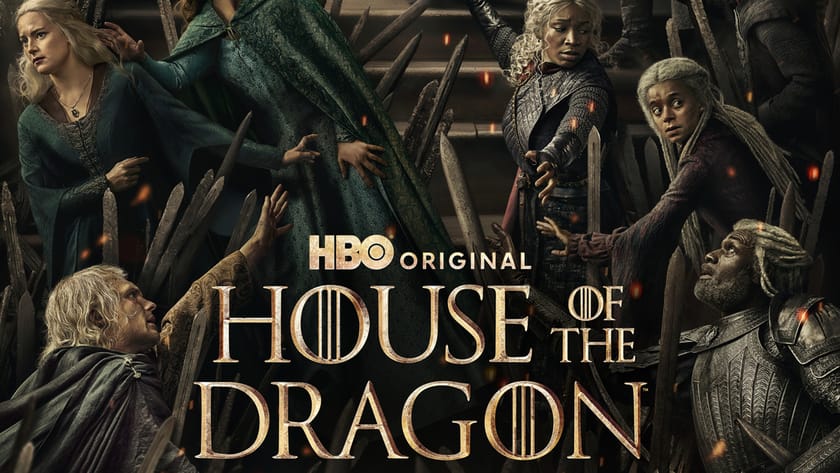
House of the Dragon Season 3 premiered on June 21, opening to a 95% Tomatometer score — within reach of Game of Thrones at its critical peak. The Popcornmeter, though, tells a different story: a 72% audience score, the lowest of the show's three seasons to date. Critics and everyday viewers have landed on strikingly opposite verdicts for the same season, and that divide has set off heated speculation over where the score will ultimately settle by the time the season wraps.
A Quick Primer on House of the Dragon and Season 3
A prequel to Game of Thrones based on George R.R. Martin's Fire & Blood, the series is set roughly two centuries before the original show and follows the Targaryen civil war known as the Dance of the Dragons. Season 2 was widely regarded as the franchise's low point — hampered by sluggish pacing and a shortened episode order due to the Hollywood writers' strike — and went on to receive zero Emmy nominations. Season 3 premiered June 21 with eight episodes, set to conclude on August 9, and showrunners have promised significantly more large-scale battle sequences this time around. A fourth and final season has already been confirmed, slated for 2028.
Where Critics and Audiences Part Ways
On the critical side, the trajectory has been: Season 1 at 90%, Season 2 at 84%, and Season 3 now at 95% based on the episodes reviewed so far. Recurring praise points to the scale and production value of the opening battle sequence, a noticeably brisker pace compared to last season, widely lauded work from Emma D'Arcy, and a strong reception for new cast addition James Norton. Multiple outlets have framed the season as a return to the form that made Season 1 a standout, and while some reviews still note reservations about narrative density, the proportion of negative coverage has dropped sharply compared to Season 2.Audiences, however, have focused their frustration on a single moment: the death of a major character in the premiere episode. While the character does meet the same fate in the corresponding battle in the source material, the show altered the specific circumstances surrounding the death — a change that book purists have criticized as rushed and lacking weight. In the comment sections, a recurring complaint is that this reflects a long-standing issue with the series: major plot turns driven by accident or misunderstanding rather than by characters' own choices. That backlash has pulled the audience score down to its lowest point across all three seasons.
What This Split Says
Stepping back, a gap between critical and audience reception isn't unusual for major fantasy adaptations — book-loyalists tend to hold "faithfulness to the source material" to a far higher standard than general audiences or critics typically apply. But for HBO, this divide carries two distinct practical stakes. Critical acclaim feeds into awards-season prestige and the show's long-term cultural standing, while audience sentiment has a more direct bearing on subscriber retention and the season's ongoing buzz. With several weeks to go before the August 9 finale, whether this gap narrows as the season progresses will largely determine whether Season 3 is ultimately remembered as a true comeback — or as a season that stayed divisive to the end.