Premier info portal for prediction markets. The start point of information market.
Polymarket partners with Substack to add live prediction markets to newsletters
News
Prediction Market

Polymarket partners with Substack to add live prediction markets to newsletters

Economics & FinanceTech

Polymarket has announced an exclusive partnership with Substack, allowing newsletter authors to natively integrate live data from what the company describes as the world’s largest prediction market directly into their reporting.

The announcement was first shared via LinkedIn, where Polymarket said that “journalism is better when it’s backed by live markets,” positioning the move as a step toward data-driven independent media.

In an official blog post titled “Polymarket is Doubling Down on Substack”, the company confirmed that Substack writers can now embed live Polymarket markets directly inside the Substack editor without leaving the page. Charts and visualisations will generate automatically, removing the need for screenshots, while authors will also be able to explore trader portfolios and access expanded sports market coverage.

Polymarket launched its Substack publication, The Oracle by Polymarket, just over a year ago, aiming to bring prediction market insights to a broader news audience. The company claims its markets hold a 94.1%+ accuracy track record and highlighted past coverage of elections, US Federal Reserve modelling and political developments.

Under the new integration, Substack creators can:

– Embed any Polymarket market directly inside articles – Display auto-generated charts – Access trader portfolio insights – Integrate sports market data

The tools are live as of February 18, 2026.

Polymarket framed the collaboration as part of a broader push to integrate live market-based forecasting into independent journalism. Substack, which hosts a wide range of political, economic and cultural commentators, is described by Polymarket as “the home of fearlessly independent news and analysis.”

The company noted that further announcements regarding the partnership are expected.

Source: https://tribuna.com/en/casino/news/2026-02-19-polymarket-partners-with-substack-to-add-live-prediction-markets-to-newsletters/

What happens on prediction platforms can steer traditional markets, NYSE chief says
News
InsightEconomicsPrediction Market

What happens on prediction platforms can steer traditional markets, NYSE chief says

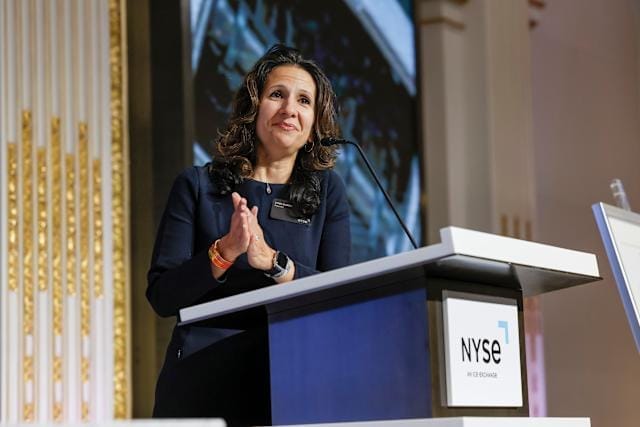
Prediction market outcomes are being used as inputs for how players deal with traditional financial markets, NYSE President Lynn Martin said at Mar-a-Lago on Wednesday.

Economics & Finance

Prediction markets are starting to play a role in how traditional financial markets move, New York Stock Exchange President Lynn Martin said Wednesday at the World Liberty forum in Palm Beach.

“It was very clear for us… that prediction markets [were being used] as an input to traditional markets,” she said at the event hosted at Mar-a-Lago, pointing to a moment during the 2024 U.S. presidential election when S&P futures spiked unexpectedly. According to Martin, the move was later explained by crypto-based prediction platform Polymarket having shown Donald Trump as the likely winner before other sources did.

The comment highlights a growing awareness among institutional players of how on-chain information can influence market behavior. Unlike traditional polling or slow-moving forecasts, Polymarket’s real-time pricing offers a kind of crowdsourced probability feed that traders may find useful.

The NYSE's interest goes beyond observation. Intercontinental Exchange (ICE), which owns the NYSE, made a $2 billion strategic investment in Polymarket in October, signaling that the world's largest stock exchange operator sees a future in blockchain-based forecasting tools.

CFTC Chair Michael Selig, who took office late last year, echoed Martin's comments on prediction markets' role in society, saying they have national security implications and act as a check on traditional newspaper journalism. He also referenced their role in entertainment and sports — the latter being an area state regulators are paying particular attention to.

"The states have really led this campaign of open warfare against markets that are in the jurisdiction of the CFTC," Selig said. "The CFTC has for decades [overseen] prediction markets."

He referenced the amicus brief the CFTC filed earlier this week in the Ninth Circuit Court of Appeals in one case, which hours later rejected prediction market provider Kalshi's request for a stay against the state of Nevada's efforts to shutter its sports-related prediction markets.

"We're going to fight this, we're going to make sure our markets are free and fair and have integrity," he said. "We won't have state gaming commissions telling us how to regulate our markets."

Source: https://www.coindesk.com/policy/2026/02/18/what-happens-on-prediction-platforms-can-steer-traditional-markets-nyse-chief-says

Wall Street Wants to Bring Election Bets Into Brokerage Accounts
News
RegulatoryElectionAnecdote

Wall Street Wants to Bring Election Bets Into Brokerage Accounts

Economics & FinancePolitics

Roundhill Investments has asked the US Securities and Exchange Commission for permission to launch six ETFs that would let investors wager on US election outcomes through standard brokerage accounts — the most ambitious attempt yet to bring prediction markets into mainstream finance.

The proposed exchange-traded funds, disclosed in a filing on Feb. 13, cover presidential, Senate and House races across both parties. The tickers — BLUP, REDP, BLUS, REDS, BLUH and REDH — track funds with names like Roundhill Democratic President ETF and Roundhill Republican Senate ETF.

Each fund would hold event contracts, a class of derivatives that settle at either $1 or $0. Pick the winning party and the contract pays out. Pick wrong and the contracts settle at zero, but the fund rolls into the next election cycle and resets — presidential ETFs from 2028 into 2032, congressional funds from 2026 midterms into 2028.

“This is yet another example of pushing the ETF envelope,” said Todd Sohn, chief ETF strategist for Strategas. “ETFs are usually involved whenever there is a ‘hot’ asset or new way to gain exposure. It just takes one filing to get the ball rolling and prediction markets are the next forefront.”

Source: Dune Analytics (@datadashboards)

Note: Data as of week of Feb. 9, 2026.

The filing comes after the Commodity Futures Trading Commission on Feb. 4 formally withdrew a Biden-era proposal that would have banned political event contracts, with Chairman Michael Selig saying the prior administration had overstepped by trying to ban the contracts outright. He pledged new rules grounded in “responsible innovation.”

On Monday, Selig went further, writing in the Wall Street Journal that the CFTC would file a friend-of-the-court brief supporting Crypto.com against state regulators seeking to shut down event-contract markets. On Tuesday, the official X account of Selig posted a video warning that anyone seeking to challenge the commission’s authority would face legal action, saying: “We’ll see you in court.”

Prediction markets have already proved demand for trading election probabilities. Polymarket and Kalshi, the two dominant platforms, processed billions of dollars with weekly trading volumes surpassing $4.5 billion in February, with the 2024 presidential election serving as the breakout moment.

But those platforms still require dedicated accounts, crypto wallets or specialized on-ramps. An ETF wrapper could change the distribution math for prediction bets entirely. It would place political event contracts inside the $14 trillion US ETF ecosystem — accessible to registered investment advisers, model portfolios and self-directed retail investors through traditional brokerage platforms.

That’s the gap Roundhill is targeting. The prediction market platforms proved the concept. The ETF wrapper would provide the plumbing to scale it.

The filing makes clear that the fund aligned with the losing party “will lose substantially all of its value” on its settled contracts, before the fund reprices around the next cycle’s new positions. The volatility dynamics are more familiar to sportsbooks than traditional asset managers — sharp swings around debates, legal rulings, polling shocks and election night itself.

The filing leaves key questions unanswered, but if the SEC blesses an ETF wrapper for political event contracts, the framework could potentially extend to any binary or bounded outcome: economic data releases, geopolitical events, policy decisions, corporate earnings surprises.

“It’s difficult to see the value-add,” said Jackson Gutenplan, market structure research analyst at Bloomberg Intelligence. “The ETF wrapper provides a retail-accessible and friendly vehicle. But prediction markets are primarily a retail product, and already anyone in the US can gain economic exposure to these outcomes.”

Approval would also land in the midst of regulatory conflict. Kalshi is being sued by multiple state gaming authorities — Nevada, New Jersey and Massachusetts among them — arguing that event contracts are gambling subject to state law, not federally regulated derivatives.

The ETF industry has spent the last decade absorbing once-niche strategies into the fund structure, from volatility futures to private credit to spot Bitcoin. Each expansion tested the boundary of what the wrapper could contain while still being marketed as an investment product. Political event contracts would test that perimeter further.

Roundhill knows the terrain. The firm runs dozens of ETFs spanning AI, single-stock options strategies and the Magnificent Seven. Now, what it’s proposing isn’t a bet on companies that facilitate gambling — it’s a wrapper around the gamble itself.

Source: https://www.bloomberg.com/news/articles/2026-02-17/wall-street-wants-to-bring-election-bets-into-brokerage-accounts

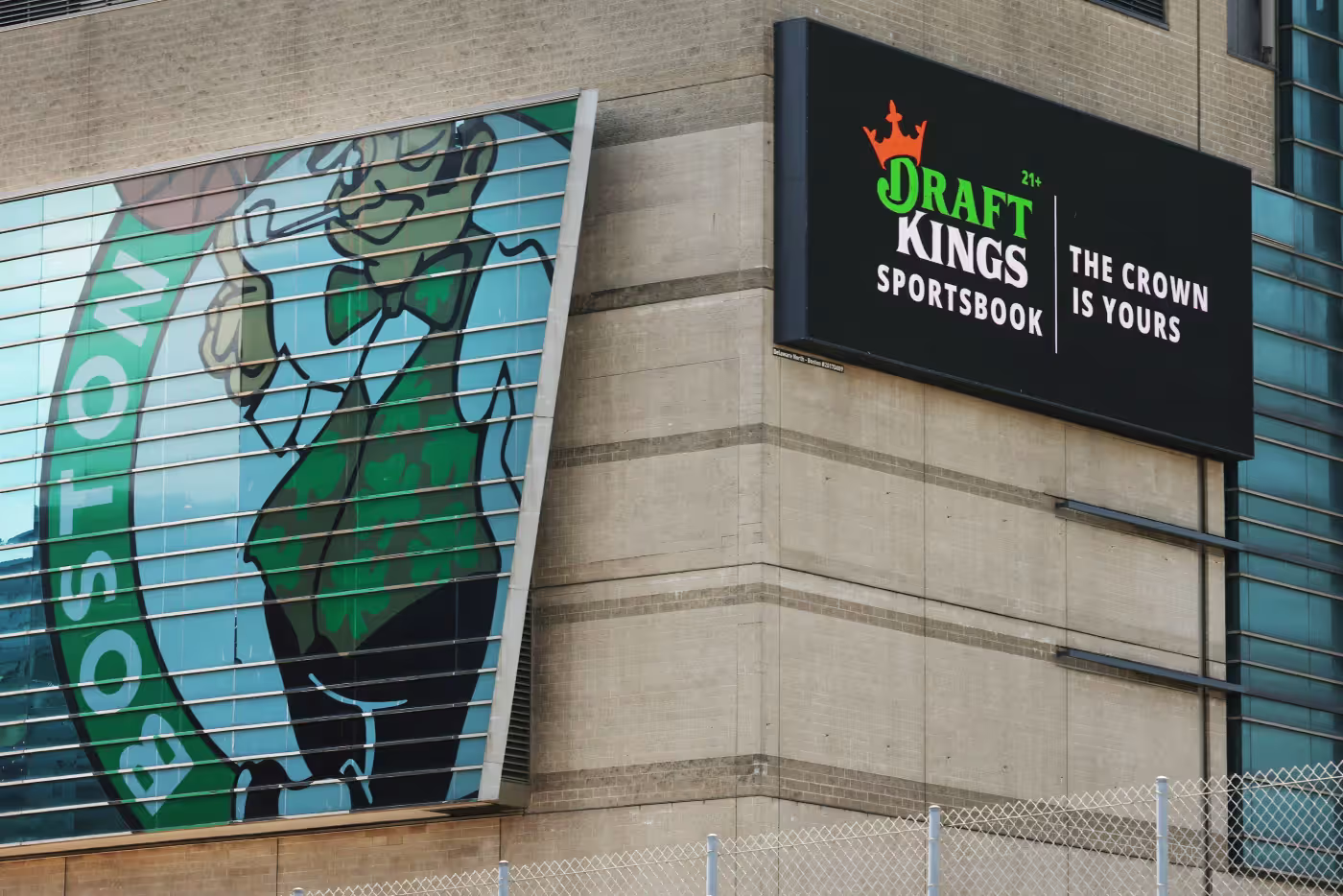
DraftKings Shares Lofty Prediction Markets Goals in 2026 Outlook
News
Prediction MarketSports Insight

DraftKings Shares Lofty Prediction Markets Goals in 2026 Outlook

The online sports betting operator reported a 43% jump in sales and shared ambitious investment plans for its prediction markets platform

SportsEconomics & Finance

DraftKings reported a jump in sales during the fourth quarter and shared ambitious investment plans for its prediction markets platform.

The online sports betting operator on Thursday said revenue rose 43% to $1.99 billion, in line with analysts’ expectations. Its sales outlook for the year came in lighter than expected, though, as it plans to put more money in DraftKings Predictions.

In 2026, the Boston-based company expects revenue to be $6.5 billion to $6.9 billion, compared with consensus estimates of $7.29 billion. The guidance includes DraftKings’ planned investments in prediction markets, as well as launches in new jurisdictions.

Shares fell 16% to $20.99 in after-hours trading.

“We also see a massive, incremental opportunity in DraftKings Predictions,” Chief Executive Jason Robins said.

DraftKings launched a prediction markets product in December amid investor concerns that privately owned prediction market companies would eat into its market share. Robins said he plans to deploy capital to build “the best experience in Predictions,” with a goal of acquiring millions of customers.

DraftKings swung to a profit of $136.4 million, or 25 cents a share, in the fourth quarter, compared with a loss of $134.9 million, or 28 cents a share, a year earlier.

Analysts expected earnings of 9 cents a share, according to FactSet. The jump in sales was primarily driven by consumer engagement, acquisition of new customers and a higher net revenue margin in its sportsbook, DraftKings said.

Monthly unique players on DraftKings was unchanged year-over-year. Average revenue per monthly player was $139, up 43% from the year before.

Source: https://www.wsj.com/business/earnings/draftkings-shares-lofty-prediction-markets-goals-in-2026-outlook-aa386bc5

MLB considers partnership with prediction markets, Manfred says
News
Prediction MarketSports-MLBSports Insight

MLB considers partnership with prediction markets, Manfred says

SportsEconomics & Finance

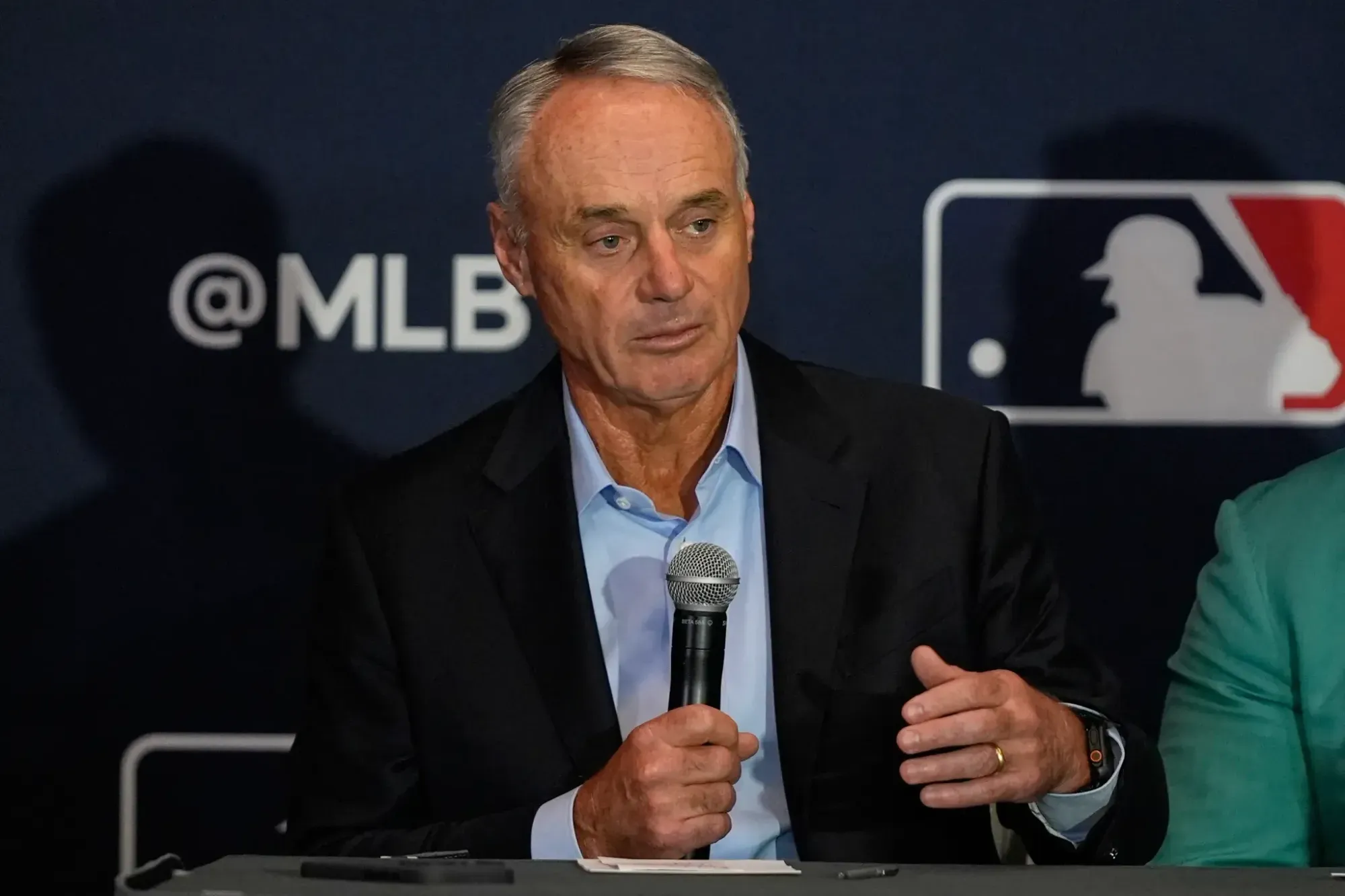
PALM BEACH, Florida – Major League Baseball is considering partnering with prediction markets, commissioner Rob Manfred said Thursday, a move that would further tie the league to sports betting while two Cleveland Guardians pitchers face federal charges for an alleged pitch-rigging scheme.

Owners were briefed this week at their quarterly meetings about the possibility of partnering with Polymarket and Kalshi, federally regulated markets that allow wagering in an endless array of areas, including sports. MLB's partnerships with sports gambling companies give it access to the sort of data that tied Guardians closer Emmanuel Clase and starter Luis Ortiz to irregular betting patterns last year and wound up in their arrests.

Striking a deal with prediction markets, the commissioner said, would allow the league similar access to monitor a business so new that Manfred only learned of it in recent months. Currently, the NHL and UFC are the only major professional sports leagues partnering with Polymarket and Kalshi.

"We thought it was important for the owners to be updated on why prediction markets are different than sports betting -- why we might want to consider being in be business with prediction markets in an effort to protect our integrity, to get the kind of protections we need," Manfred said. "The regulatory framework, very different. Obviously state by state on the sports betting side, federal on the other."

While states oversee sports gambling, prediction markets are ostensibly regulated by the Commodity Futures Trading Commission. In early February, New York Attorney General Letitia James issued a "consumer alert" calling prediction markets "unregulated gambling" and said contracts involving sports could violate state laws and pose "significant financial risk" for users.

"There's obviously an opportunity to work with the markets themselves to get the kind of integrity protections you want," Manfred said.

Recent court filings alleged that Clase's involvement in pitch-rigging -- in which prosecutors say he would intentionally throw a ball on the first pitch of an inning, with others involved in the scheme placing bets on him to do so -- was far more widespread than originally thought. Clase's involvement with bettors dates back to 2023, according to a filing from Ortiz's attorney, and comprise at least 48 games over two years.

Asked why the integrity firms or MLB did not flag the issue earlier, Manfred said: "Sometimes it takes time for those patterns to become clear."

Source: https://www.espn.com/mlb/story/_/id/47911003/mlb-considers-partnership-prediction-markets-says-manfred

Polymarket Hands New Yorkers Free Groceries After Mamdani Taunt
News
Prediction Market

Polymarket Hands New Yorkers Free Groceries After Mamdani Taunt

Prediction market startup Polymarket opened a temporary grocery store in Manhattan’s West Village on Thursday, giving away free food and household staples in a promotional campaign that was delayed by logistical issues.

Economics & Finance

Prediction market startup Polymarket opened a temporary grocery store in Manhattan’s West Village on Thursday, giving away free food and household staples in a promotional campaign that was delayed by logistical issues.

The event drew a mocking response from New York Mayor Zohran Mamdani and comes as the company faces regulatory scrutiny.

The pop-up store — dubbed “The Polymarket” — was set to debut on Thursday afternoon, and make a brief run before closing next Monday, opening for a few hours each day (“or while supplies last,” a sign outside said). The company delayed the opening by two hours as employees raced to fill shelves and paint walls. Outside, crowds of people were lined up around the block.

The promotional material inside the store made no visible reference to the company’s day-to-day business, creating financial contracts that allow people around the world to bet on everything from the Super Bowl to geopolitical crises. Instead the company said the event was a “love letter to New York City.”

Polymarket’s billionaire founder grew up in New York, and the offices are in the city. Four years ago, it was forced to shut down to American customers after a clash with regulators. It is now in the process of re-opening in the US in the more friendly legal environment created by the Trump administration.

The store is one part of a much bigger promotional push as the company vies for attention with its biggest rival, Kalshi Inc., which last week ran its own one-day grocery promotion, giving away $50 of free food at a supermarket slightly further uptown.

Polymarket’s choice of the West Village, one of the most social media friendly part of the city, and far from the areas where hunger is more of an issue, underscored the promotional nature of the event.

Both startups are playing directly to the concerns voiced by Mamdani, who has called for city-run grocery stores and inveighed against the cost of food in the city.

Mamdani, though, made it clear that he was not a fan of the way the startups have taken up his banner. He responded to Polymarket’s announcement with a cutting social media post that used a satirical news headline to offer his take.

“Heartbreaking: The Worst Person You Know Just Made a Great Point,” the headline in Mamdani’s post read.

New York Attorney General Letitia James issued a consumer alert on Feb. 2 warning residents that prediction markets “do not have the same consumer protections as regulated platforms.”

The array of controversies surrounding the company was driven home just hours before the event on Thursday when Israeli authorities announced that they had filed charges against a military reservist and a citizen accused of using classified information to place bets on Polymarket. A representative for Polymarket didn’t immediately respond to a request for comment.

Polymarket has come under scrutiny for its vulnerability to insider trading, and for offering wagers on a wide array of military conflicts on its international exchange. Most other prediction markets have said they are avoiding such contracts for both ethical and legal reasons.

Polymarket opened a beta version of its new app for US customers late last year, focused primarily on sports wagers. It is not publicly available yet, but the company has been waging an extensive promotional campaign, cutting partnerships with media outlets, professional athletes and sports leagues.

The grocery pop-up will be giving away free food for three of the five days it is open. On Saturday, it will offer free flowers and cards for Valentine’s Day. On Monday, the company is asking people to bring food to donate to the community. Until then, a sign outside said: “come early, shop with care, and take what you need. Once we’re out, we’re out!”

Source: https://news.bloomberglaw.com/new-york-brief/polymarket-hands-new-yorkers-free-groceries-after-mamdani-taunt

Israelis Charged With Using Classified Intel for Polymarket Bets
News
RegulatoryGeopoliticsPrediction Market

Israelis Charged With Using Classified Intel for Polymarket Bets

Israeli authorities have filed charges against two suspects accused of using classified information to place bets on prediction platform Polymarket.

PoliticsEconomics & Finance

Israeli authorities have filed charges against two suspects accused of using classified information to place bets on prediction platform Polymarket.

The suspects, a military reservist and a civilian, were accused of serious security offenses, bribery and obstruction of justice, according to a joint statement from the Shin Bet domestic security agency, Defense Ministry, and Israel Police on Thursday.

The wagers were related to Israel’s security operations, the agencies said in the statement, without elaborating on the details of the predictions or the sum yielded from those trades. The suspects made predictions “on the basis of classified reports, which reservists were exposed to in the context of their role in the military,” they said. It described the stakes as a threat to Israel’s national security.

Nir Cohen Rochverger, the lawyer for the reservist, said that authorities dropped the charge of harm to national security, but the man is still suspected of using confidential information without authorization. Rochverger called the indictment “flawed.” A lawyer representing the civilian did not immediately respond to a request for comment. A representative for Polymarket didn’t immediately respond.

An account on Polymarket correctly predicted a number of military events during the 12-day war between Israel and Iran in June, wagering tens of thousands of dollars, Israeli public broadcaster Kan 11 said in a report last month. The bets paid about $150,000, Kan reported.

Prediction markets like Polymarket have come under increased scrutiny for a growing number of contracts on the outcome of military conflicts. Bets over war in the Middle East are popular on the platform, with some $238 million placed over the timing of a potential US strike on Iran.

Polymarket bets over the ouster of Venezuela’s Nicolás Maduro has also sparked an uproar, with US lawmakers questioning whether some participants who made successful trades were acting on confidential information.

Source: https://www.bloomberg.com/news/articles/2026-02-12/israelis-charged-with-using-classified-intel-for-polymarket-bets

Jump Trading Stakes Bets on Prediction Market Boom With Kalshi, Polymarket Deals
News
RegulatoryLegalPrediction Market

Jump Trading Stakes Bets on Prediction Market Boom With Kalshi, Polymarket Deals

Major trading firm swaps liquidity provision for equity stakes as prediction platforms attract institutional capital

Economics & Finance

Jump Trading, the Chicago-based proprietary trading firm, is deepening its involvement in prediction markets by taking equity stakes in two of the sector's fastest-growing platforms, according to reporting by Bloomberg.

The firm has struck separate agreements with both Kalshi and Polymarket –platforms that have exploded in popularity by enabling users to wager on everything from political elections to sporting events. In exchange for providing liquidity and trading capacity, Jump will receive equity in both companies.

The arrangement with Kalshi grants Jump a fixed equity stake, while the Polymarket deal is structured to grow based on the volume of trading liquidity Jump supplies to the U.S. exchange, Bloomberg reported, citing people familiar with the negotiations.

The dual investments underscore the financial viability of prediction markets, which have attracted significant institutional interest. Polymarket recently hit a $9 billion valuation, while Kalshi reached $11 billion in its latest fundraising.

Jump's entry into prediction markets represents a significant strategic move for the 25-year-old trading firm, which was founded by two former Chicago Mercantile Exchange pit traders. The company has substantially expanded its operations in the space in recent months, assembling a team of more than 20 traders dedicated to event contracts and building technology infrastructure to support the business, Bloomberg reported.

The deals operate as venture-style arrangements, a common structure where market-makers receive equity compensation rather than traditional fees for their trading activities. Market makers are essential to these platforms, using their own capital to take the opposite side of trades and keep markets functioning smoothly, particularly during periods of low liquidity or heightened uncertainty.

Jump's expansion follows similar moves by other trading heavyweights. Susquehanna International Group, the trading operation founded by former professional gambler Jeff Yass, publicly disclosed its market-making relationship with Kalshi in April 2024. Last year, Susquehanna and retail brokerage Robinhood Markets acquired a controlling stake in LedgerX, a U.S. derivatives exchange, positioning themselves to directly control the infrastructure for listing and clearing event contracts.

The prediction market sector has experienced rapid growth despite ongoing regulatory scrutiny. Kalshi and Polymarket offer contracts on outcomes ranging from election results to weather patterns, with volumes surging as the platforms have gained mainstream attention. The infrastructure supporting these markets remains fragmented, with platforms competing to attract both traders and the market-makers essential to their operations.

Source: https://www.blockhead.co/2026/02/10/jump-trading-stakes-bets-on-prediction-market-boom-with-kalshi-polymarket-deals/

Some Kalshi transfers are delayed during the Super Bowl
News
Prediction MarketSports-MLBSports Insight

Some Kalshi transfers are delayed during the Super Bowl

Economics & FinanceSports
  • Kalshi said it experienced delays in fund transfers due to a Super Bowl traffic surge.
  • Kalshi's cofounder said on X that users' "money is safe and on the way."
  • Kalshi and Polymarket are benefiting from a sharp interest in prediction markets.

Kalshi said that some transfers on its prediction markets app are delayed because of the high volume of traffic during the Super Bowl.

"Some deposits are delayed because of the amount of traffic and deposits we're getting," Kalshi cofounder Luana Lopes Lara wrote on X on Sunday evening. "Your money is safe and on the way, it will just take longer to land."

On X, some Kalshi users said that they felt relieved to receive an explanation for why their deposits did not go through. Others demanded a refund, saying they saw no point in placing bets if the money didn't arrive until halftime.

The company saw a significant spike in platform volume on Sunday. In an X post, Kalshi said it saw over $325 million in volume less than an hour before the championship game started.

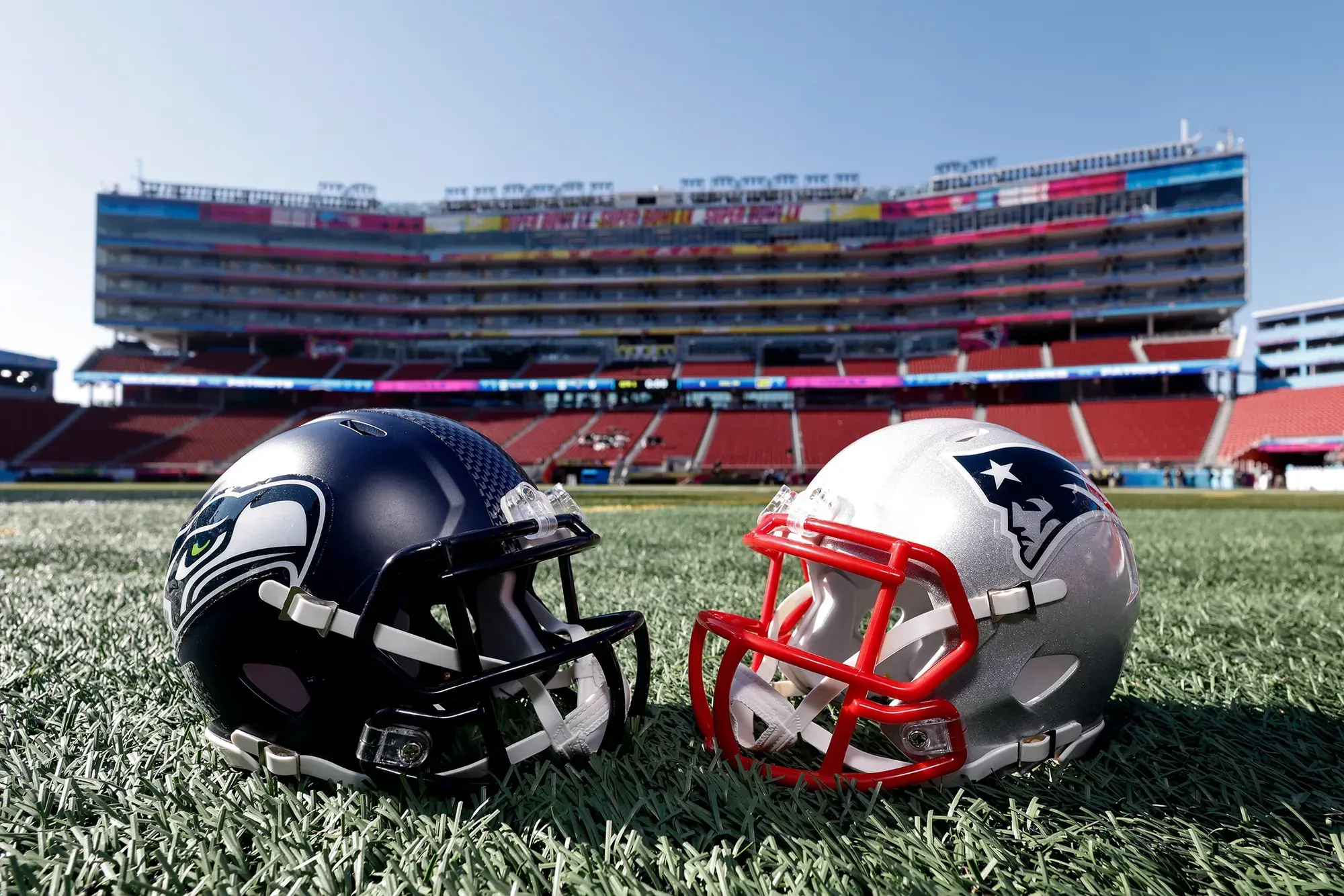
Kalshi, founded in 2018, lets users bet on the outcome of events such as elections, sports matches, and economic indicators. For the Super Bowl, people could bet on the outcome of the New England Patriots versus the Seattle Seahawks game, as well as on which commercials would run and which song Bad Bunny would play first during his halftime show.

The startup and its rival, Polymarket, are winners of a big surge in interest in prediction markets. In addition to scheduled events, users can now also bet on questions ranging from the popularity of Labubu dolls to Elon Musk's net worth.

Source: https://www.businessinsider.com/kalshi-transfers-delayed-in-the-middle-of-super-bowl-2026-2

Gambling Stocks Sag as Prediction Markets Steal Super Bowl Bets
News
InsightPrediction MarketSports-NFLSports Insight

Gambling Stocks Sag as Prediction Markets Steal Super Bowl Bets

Economics & FinanceSports

The Super Bowl is supposed to be the highlight of the calendar for gambling companies. This year, though, a cloud has descended over the industry as the big game approached.

The stock of Flutter Entertainment Plc, which runs one of the most popular US gambling apps, FanDuel, is on an eight week skid, the longest in 23 years. It’s main competitor, DraftKings, is trading around the lowest levels since 2023, and is down more than 60% from its all-time high five years ago.

The matchup between Seattle-New England — with less celebrity appeal than last year’s Taylor Swift-soaked event — is partly to blame. But the bigger concern hanging over the industry is the rise of prediction markets like Kalshi, which have come out of nowhere over the last year to offer a new way to bet on sports, bypassing the state-level gambling regulations that have restricted the spread of older gambling apps.

Jordan Bender, senior equity analyst at Citizens, is expecting record breaking trading volumes on prediction markets this weekend at the same time that legal wagering on traditional sportsbooks — or handle as it is known — falls 2% from last year.

“A big piece of why we think Super Bowl handle will be down is that prediction markets are taking a bite out of that,” Bender said.

It is quite the reversal of fortunes for gambling companies that seemed to be riding to ever greater heights in recent years as the American obsession with gambling took off in the wake of a Supreme Court decision in 2018 that allowed states to legalize sports betting. The amount wagered on the Super Bowl has grown for eight years straight.

The threat to these businesses came from an unexpected direction. Until early last year, Kalshi, the leading US prediction market startup, was using its status as a federally regulated financial exchange to offer niche financial contracts tied to pop culture events and elections. The agency overseeing all this, the Commodity Futures Trading Commission, had indicated that so-called event contracts tied to sports were off limits.

Then Donald Trump won the election. Kalshi tested the waters by offering its first wagers on the Super Bowl in early 2025 and the CFTC did not step in to stop them. Those first contracts were little more than an experiment, but sports have since come to account for more than 90% of the trading volume on Kalshi.

Several industry analysts still expect the existing US sportsbooks to take in a record Super Bowl haul this year. Ed Birkin, a senior analyst with H2 Gambling Capital, is forecasting that total wagers — before prediction markets are taken into account — will jump 9% from last year, to $1.78 billion. But said he expects prediction markets will attract $630 million in bets for the Super Bowl and account for 80% of the year-over-year growth in wagering activity for the event.

Wall Street analysts’ average fourth-quarter adjusted earnings per share estimate for Flutter have plunged a whopping 49% over the past three months, according to data compiled by Bloomberg, while revenue expectations have taken a 6.3% hit. For DraftKings, earnings estimates are down 29% while revenue projections have fallen 2.6% in the same period.

Some gambling executives have said that prediction markets are not threatening them in states where they are already operating and are instead primarily gaining ground in the dozen or so states where traditional online gambling is not allowed, including big ones like California and Texas.

BetMGM, which has its own online sports app, announced this week that it attracted record sports bets in the fourth quarter of 2024, helping drive a 63% jump in revenues from a year earlier.

“We can’t see any impact that we can identify that is attributable to prediction markets,” the company’s chief executive officer, Adam Greenblatt, said in an interview.

Greenblatt said the newcomers have also drawn much of their business from the more skilled bettors — known as sharps — who tend to be less profitable for gambling companies.

Older gambling apps, meanwhile, are running up against the limits of their expansion across the country, after the rapid growth that immediately followed the Supreme Court decision. This year, the only new state to allow legal betting on the Super Bowl is Missouri, a relatively small market.

“The Super Bowl 60 outlook reflects a transition from expansion-driven growth to incremental growth as nearly all states with a viable path to legalization are already live,” Benchmark analyst Mike Hickey wrote in a note to clients on Jan. 29.

Still, even in states where gambling has been legal — the strongholds of DraftKings and FanDuel — there have been signs of weakness. Around 10% of DraftKings users were also using Kalshi in January, and Kalshi’s app was downloaded four times as much as either FanDuel or DraftKings, according to the data firm Apptopia.

Part of the allure of Kalshi is that it is using its novel structure to open up betting on everything from the length of the half time show to the likelihood of Jeff Bezos attending the event, while DraftKings and FanDuel are almost exclusively focused on the scoring and outcome of the game.

“Kalshi’s growth is fueled by ad campaigns, earned media, social virality and, above all, superior depth, breadth, and distribution compared to traditional online sportsbooks,” analyst Edwin Dorsey wrote in one of several recent posts on Substack about why he is bearish on DraftKings.

DraftKings and FanDuel have been taking the threat seriously. In December they both launched their own prediction market apps, which are now available in all the states where their traditional apps are not allowed. But together they got just under 100,000 downloads in January, compared with Kalshi’s 1.9 million downloads, according to Sensor Tower data.

On Friday, DraftKings announced that it had struck a partnership with another early prediction market exchange, Crypto.com, to offer a wider array of event contracts.

Gaming regulators in several states have gone to court to try to shut Kalshi and its peers down, and many analysts assume these cases will eventually go to the Supreme Court. But in the meantime, the new chair of the CFTC, Michael Selig, recently indicated that he will allow sports contracts to move forward and is not planning to cede oversight of the territory to the states.

Source: https://finance.yahoo.com/news/gambling-stocks-sag-prediction-markets-150000883.html

Sports App Sleeper to Partner With Kalshi on Prediction Markets
News
Prediction MarketSports Insight

Sports App Sleeper to Partner With Kalshi on Prediction Markets

Economics & FinanceSports

A fantasy sports app that once sued the US derivatives regulator will partner with Kalshi Inc. to offer wagers on its platform, the latest entrant into the surging prediction markets industry.

Sleeper Markets, which says it has more than 10 million users, will work with Kalshi to provide sports contracts in time for the Super Bowl, with more real-world event markets “coming soon,” the firms said Friday.

Sleeper had wanted to enter the sports prediction markets business before the start of football season but alleged it was thwarted by the US Commodity Futures Trading Commission. Sleeper said in a lawsuit last year the CFTC and former acting Chairman Caroline Pham told the National Futures Association not to approve the firm’s application to become a futures commission merchant, which could allow it to enter the space.

Pham departed the CFTC in December after President Donald Trump’s permanent pick to head the agency, Michael Selig, took the helm.

The National Futures Association approved Sleeper’s application in early January and the company dropped its case against the CFTC days later.

The CFTC didn’t immediately respond to a request for comment.

Securing a futures commission merchant registration can allow a company to work with other companies to enter the predictions markets business, where customers can wager on future events like the 2028 Republican presidential nominee or Bad Bunny’s Super Bowl halftime show.

Source: https://www.bloomberg.com/news/articles/2026-02-06/sports-app-sleeper-to-partner-with-kalshi-on-prediction-markets

Prediction market Kalshi seeks US approval to offer margin trades
News
InsightBusinessPrediction Market

Prediction market Kalshi seeks US approval to offer margin trades

Economics & FinancePolitics

Prediction market operator Kalshi is seeking US regulatory approval to allow margin trading on its platform, as it seeks to lure institutional investors with more sophisticated financial contracts.

Kalshi has held meetings with the Commodity Futures Trading Commission over several months in its effort to win approval, according to people familiar with the matter. It was not clear whether the CFTC would approve the request or where the matter stood.

The initiative highlights the rapid evolution of prediction markets from their quaint origins — offering wagers on Oscar winners and presidential elections — into gambling behemoths spanning sports, global affairs and financial markets.

Allowing margin trading could pave the way for Kalshi to let large investors bet on certain contracts without putting up the full amount of funds, something many hedge funds consider a prerequisite before committing substantial capital. If Kalshi gets approval, the platform would initially likely offer margin contracts only to institutional investors, not retail traders, according to one of the people.

Margin on an event contract is expected to be structured like a traditional futures contract, in which investors put down a small fraction of the contract’s face value and settle in full when the contract closes, the person said. Kalshi declined to comment, and the CFTC did not respond to a request for comment.

“What we’re seeing in 2026 is the CFTC and [Securities and Exchange Commission] saying there’s not much of a difference between trading and gambling anymore,” said Bill Singer, a former regulatory defence lawyer. “When you have exchange traded funds offering triple leverage on all sorts of odd things, how do you justify extending margin to trade on a meme stock but not on a prediction market?”

Kalshi and its main rival Polymarket have surged in popularity since the US presidential election in 2024, with monthly trading volumes reaching billions of dollars. Yet hedge funds and other large investors have largely stayed on the sidelines.

Traders at these firms often oversee hundreds of millions of dollars, which requires asset classes with greater liquidity and financial flexibility — such as the ability to use margin — to make trading or hedging worthwhile.

This month, Kalshi hired a risk manager who previously worked at broker-dealer Velocity Clearing. On LinkedIn, he said his prior role had helped him “build a strong foundation in margin and risk”.

CFTC-regulated crypto exchange Crypto.com last week launched its own prediction market platform, which it said was the first to “offer margin trading”.

In an apparent effort to differentiate itself from Polymarket — which is based offshore and built on blockchain technology — Kalshi on Thursday said it had formed a new “independent surveillance audit committee” that would publish quarterly public reports on suspicious trades and details of its own investigations into potential market manipulation.

The CFTC has adopted a light-touch regulatory approach to prediction markets under its Trump-appointed chair Michael Selig. Last week, the agency officially withdrew Biden-era proposals to ban political and sports-related event contracts from registered exchanges.

At the same time, Selig has said the commission will write new rules to govern prediction markets, following a series of bets in which traders appeared to profit from inside information. He said last month that the regulator would “continue to support the responsible development of event contract markets,” adding that it was “time for clear rules and a clear understanding that the CFTC supports lawful innovation in these markets”.

In 2020, Kalshi became the first prediction markets exchange to gain regulatory approval to operate in the US. Four years later, the company received CFTC approval to operate its own clearinghouse — though only for “fully collateralised” positions, meaning investors were required to fully fund their trades.

Introducing margin would be a pivotal moment for Kalshi in its effort to attract more traditional Wall Street firms, said Jake Preiserowicz, a partner at the law firm McDermott Will & Schulte who advises hedge funds and previously worked at the CFTC.

“Margin is a central part of what hedge funds do right now,” he said. “It’s basically impossible to trade derivatives any other way when you’re an institutional investor.”

Source: https://www.ft.com/content/e036870a-8335-4ba5-9262-1dd4f31907b0