Premier info portal for prediction markets. The start point of information market.
States Encroach on Prediction Markets
News
InsightRegulatoryPrediction Market

States Encroach on Prediction Markets

The CFTC, the legitimate regulator of these financial instruments, backs Crypto.com in a lawsuit appeal.

Politics

The Commodity Futures Trading Commission for decades has overseen regulation of prediction markets—or event contracts, as we refer to them—that help market participants hedge risk, aggregate information and test hypotheses about future outcomes.

In recent years, states have waged legal attacks on the CFTC’s authority to regulate these financial instruments. If they succeed, participants would be barred from access to federally regulated event-contract markets. So it should come as no surprise that the commission is filing a friend-of-the-court brief Tuesday supporting Crypto.com in the Ninth U.S. Circuit Court of Appeals.

Well-known CFTC-registered exchanges used by tens of millions of Americans—including Kalshi, Polymarket, Coinbase and Crypto.com—face an onslaught of state-driven litigation across the country, with nearly 50 active cases presenting a range of legal challenges. The most common allegation is that these contracts are a form of gambling and therefore subject to state laws. The CFTC will no longer sit idly by while overzealous state governments undermine the agency’s exclusive jurisdiction over these markets by seeking to establish statewide prohibitions on these exciting products.

Event contracts serve legitimate economic functions. They allow businesses and individuals to hedge event-driven risks, enable investors to manage portfolio exposure, and provide the public with information about the outcome of future events. Farmers can manage risk related to temperature changes that may affect crops, and small-business owners can hedge against tax increases or energy-price spikes, to name two examples.

Markets that pay out based on the outcome of real-world events such as these emerged through academic and experimental platforms before moving into the commercial sector. In 1992 the CFTC issued its first official recognition of event contracts by granting relief to the Iowa Electronic Markets, a futures market at the University of Iowa in which traders can buy and sell contracts pegged to events such as presidential elections and corporate earnings. Years later, HedgeStreet, now known as Nadex, became the first marketplace to offer event-driven binary contracts that allowed retail traders to speculate on mortgage rates and gasoline prices.

Under the plain language of the Commodity Exchange Act, event contracts are “swaps.” They are derivative instruments that allow two parties to speculate on future market conditions without owning the underlying asset. In the wake of the 2008 financial crisis, Congress expressly granted the CFTC comprehensive authority over any such contract based on a commodity. The statutory definition of “commodity” is extraordinarily broad and includes practically all goods, articles, services, rights and interests except for onions (due to a history of market manipulation) and movie box-office receipts (because of Hollywood lobbying).

The CEA’s text is designed to account for financial innovation. Futures were novel at one point. So were swaps and exchange-traded funds. Even as derivatives markets have developed and grown, Congress has chosen to vest the CFTC with broad jurisdiction. That a derivative is novel or different is no excuse for a court to rewrite existing law. The CFTC has been overseeing the integrity of these markets the whole time, ensuring its rules remain durable and flexible in the face of rapid transformation.

The public also benefits from these markets. For anyone tracking prediction markets ahead of the 2024 presidential election, the scale of President Trump’s victory was hardly unexpected. It’s clear that Americans like the product and want to participate. Noting the exponential growth of transactions in the last two years, one recent industry report estimates the global number of users has quadrupled to 15 million.

Like all markets under the CFTC’s exclusive jurisdiction, event-contracts markets are subject to rules and regulations that ensure fair outcomes for market participants. Trading exchanges are required to conduct market surveillance to safeguard against fraud and manipulation. Bank Secrecy Act rules also apply, meaning that CFTC-registered entities must collect customer information to enforce anti-money-laundering measures and prevent insider trading.

These exchanges aren’t the Wild West, as some critics claim, but self-regulatory organizations that are examined and supervised by experienced CFTC staff.

America is home to the most liquid and vibrant financial markets in the world because our regulators take seriously their obligation to police fraud and institute appropriate investor safeguards. Any erosion of the CFTC’s ability to regulate transactions in commodity derivatives is a direct threat to the markets and investors Congress intended the agency to oversee.

Source: https://www.wsj.com/opinion/states-encroach-on-prediction-markets-6eb43af9
CFTC Forms 35 Member Committee Focused On Event Contracts And AI
News
Regulatory

CFTC Forms 35 Member Committee Focused On Event Contracts And AI

Committee brings together leaders from prediction markets, sports betting, finance, and blockchain. CEOs from Polymarket, Kalshi, DraftKings, and FanDuel will sit alongside Nasdaq leadership. Group will advise regulators on event contracts, digital assets, and AI influence on trading markets.

Politics

Federal regulators are formally pulling prediction markets, sportsbooks, and technology firms into one conversation as oversight begins to adapt to fast-changing digital trading products. The Commodity Futures Trading Commission announced the formation of a new Innovation Advisory Committee, a 35 member body designed to guide policy around event contracts, artificial intelligence, and blockchain driven market activity.

Regulators are not acting in isolation. Participation stretches across trading venues, gaming operators, and financial infrastructure providers, reflecting how prediction markets now sit at the crossroads of derivatives, wagering style products, and data driven speculation.

Shayne Coplan, CEO of Polymarket, and Tarek Mansour, CEO of Kalshi, join the panel as two of the most recognizable executives tied to event contract platforms. Christian Genetski, president of FanDuel, and CEO of DraftKings Jason Robins also take seats, highlighting how major sportsbooks continue exploring regulated prediction style offerings tied to real world outcomes.

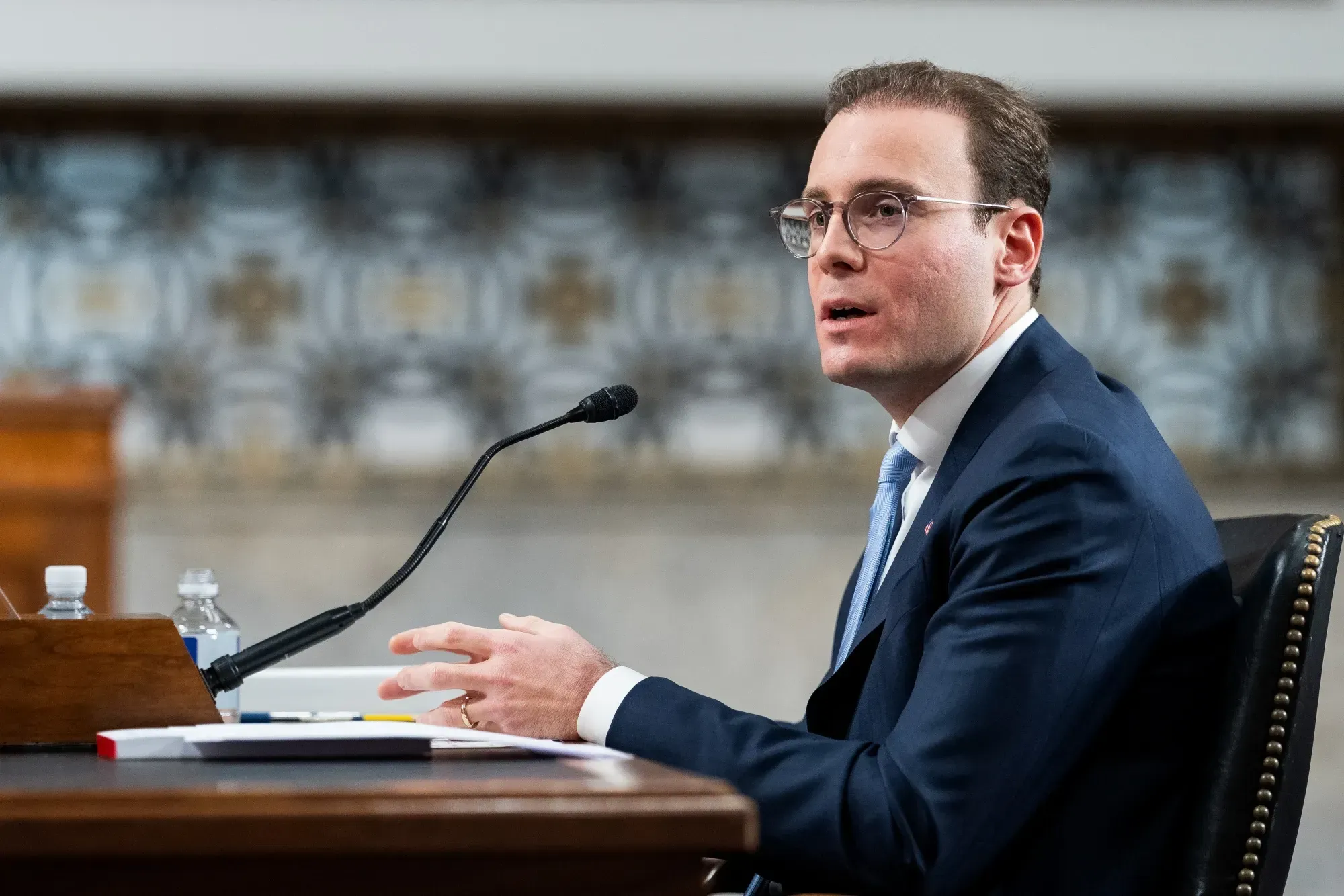
“Today marks an important and energizing moment at the CFTC as the Innovation Advisory Committee takes shape,” CFTC chairman Michael Selig said. “The IAC’s work will help ensure the CFTC’s decisions reflect market realities so the agency can future-proof its markets and develop clear rules of the road for the Golden Age of American Financial Markets.”

Traditional finance carries equal weight in the room. Adena Friedman, chair and CEO of the Nasdaq, represents exchange operators that already manage large scale derivatives ecosystems. Presence of major exchange leadership signals that prediction markets are no longer viewed only through a gaming lens but increasingly through capital markets structure.

Technology influence also runs deep across the roster. Blockchain builders, infrastructure providers, and data specialists will help regulators understand how decentralized systems, tokenization models, and automated trading tools interact with existing compliance frameworks.

A Regulatory Bridge Between Trading Markets And Event Contracts

Formation of the committee arrives as U.S. regulators evaluate where prediction platforms fit within commodities law rather than gambling statutes. Event based contracts tied to elections, economics, weather, and sports continue to gain traction, pushing agencies to clarify jurisdiction, risk controls, and consumer protections.

“The IAC will serve as a resource as innovations such as artificial intelligence and blockchain continue to ‘transform markets.’”

Expansion of advisory input reflects concern that financial leadership cannot assume long term dominance without adapting rules to emerging technologies. Digital first platforms move faster than legacy regulatory cycles, creating pressure for modernized guidance that keeps pace with algorithmic pricing, decentralized infrastructure, and always on global participation.

“America is home to the most transparent and well-regulated financial markets in the world, but we cannot assume that this will always be the case,” Chairman Selig said. “By bringing together participants from every corner of the marketplace, the IAC will be a major asset for the Commission as we work to modernize our rules and regulations for the innovations of today and tomorrow.”

Prediction market operators have pushed for legitimacy as financial instruments rather than wagers, while sportsbook brands explore hybrid models that resemble derivatives trading. Advisory structure gives regulators a direct channel to firms building those systems rather than reacting after products already scale.

Source: https://igaming.org/sports-news/cftc-forms-35-member-committee-focused-on-event-contracts-and-ai/

Cortez Masto leads Senate Democrats in stand on prediction markets
News

Cortez Masto leads Senate Democrats in stand on prediction markets

Senate Democrats challenged CFTC Chair Michael Selig to enforce bans on prediction markets, warning that his regulatory pivot is fueling unregulated gambling on sports and geopolitical conflicts.

Politics

Citing real-world consequences, Democratic U.S. senators on Friday challenged the chairman of the CFTC to hold to his previous commitment regarding prediction markets and rules against event contracts that amount to placing bets.

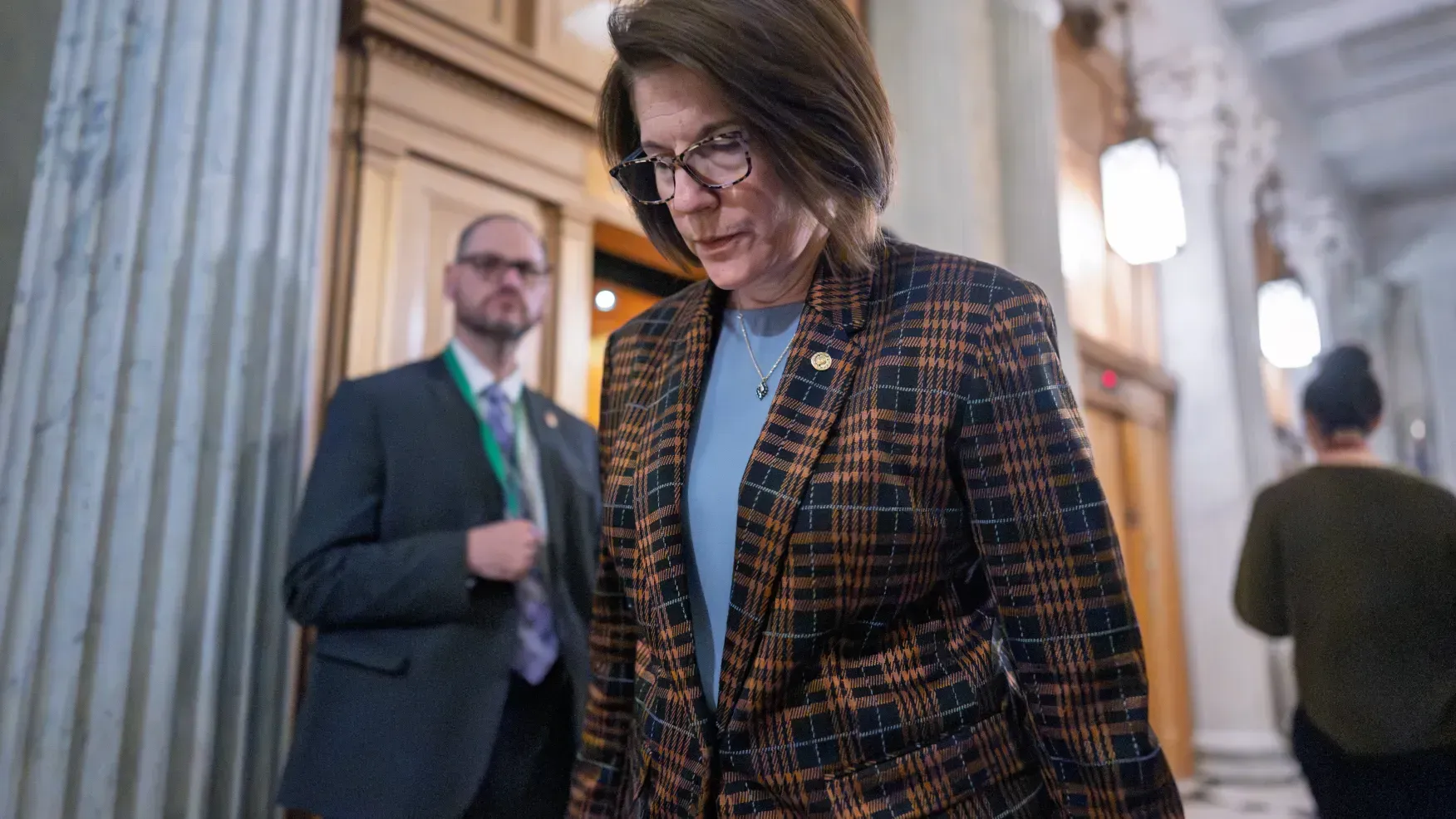
Nevada Democratic Sen. Catherine Cortez Masto, along with California’s Adam Schiff and 21 of their colleague,s urged CFTC Chairman Michael Selig to abstain from intervening in pending litigation and to stick to prohibitions on CFTC-registered platforms listing event contracts involving gaming, including betting on sports, terrorism, or assassinations.

A letter signed by 23 Democratic senators, including Cortez Masto and Sen. Jacky Rosen, took issue with event contracts that have proliferated under Selig’s watch.

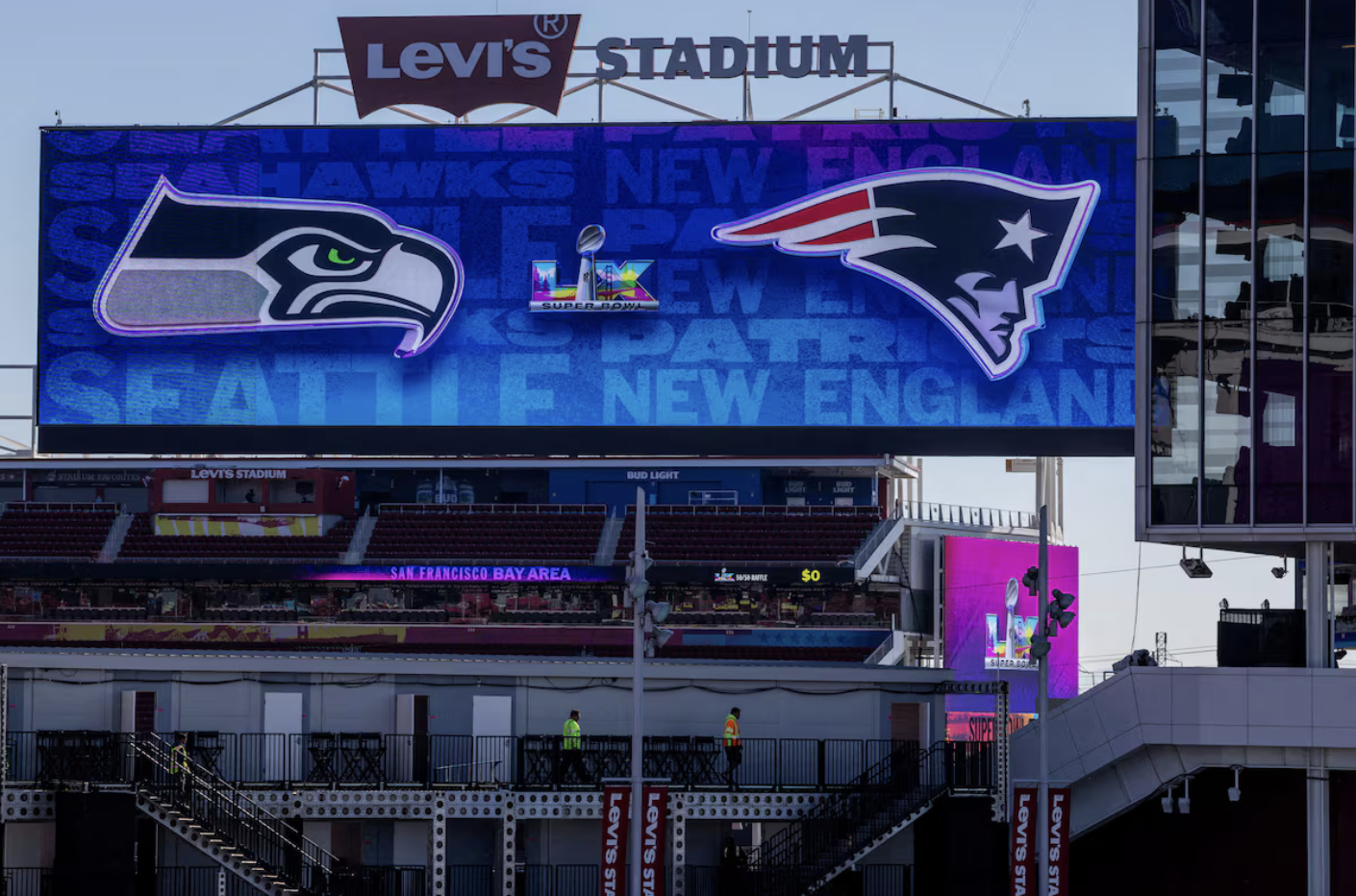
Futures bets have received attention this week as betting websites reported that Kalshi sold nearly $900 million in futures contracts on the Super Bowl alone.

On November 19, 2025, Selig told a Senate committee he would look to the courts to decide the issue. Instead, he has unilaterally proceeded with rulemaking and intervention in ongoing litigation. Last week, he posted that he “strongly disagrees” that prediction markets violate the law, a stark reversal of prior statements before Congress, according to a press release from Cortez Masto’s office.

“The real-world consequences are already evident. Prediction market platforms are offering contracts that mirror sportsbook wagers and, in some cases, contracts tied to war and armed conflict. These products evade state and tribal consumer protections, generate no public revenue, and undermine sovereign regulatory regimes,” the senators wrote. See the full letter below.

On Tuesday, Democratic Nevada Congresswoman Dina Titus introduced the Fair Markets and Sports Integrity Act to curb the emerging prediction markets.

Source: https://www.yahoo.com/news/articles/cortez-masto-leads-senate-democrats-010746679.html

SEC Chair Suggests Some Prediction Markets Could Fall Under Agency’s Jurisdiction
News
RegulatoryPrediction Market

SEC Chair Suggests Some Prediction Markets Could Fall Under Agency’s Jurisdiction

This potential move challenges the CFTC, which has been the sector's primary regulator.

Politics

SEC chair Paul Atkins said Thursday that the Wall Street regulator could soon involve itself in the regulation of prediction markets—a move that could have significant implications for the exploding sector.

During testimony before the Senate Banking Committee, Atkins identified prediction markets as an industry that should potentially be overseen by both the SEC and its more hands-off sister agency, the commodities-focused CFTC. Up to now, the CFTC has been considered the default regulator for prediction markets.

“Prediction markets are exactly one thing where there’s overlapping jurisdiction potentially,” Atkins said, in response to a question from Sen. Dave McCormick (R-PA). “That is a huge issue we’re focused on.”

“It’s mostly, at least currently, on the CFTC side,” the SEC chair continued. “But we need to be harmonized in the way we’re addressing these markets.”

When McCormick asked whether the SEC would need legislation passed by Congress to involve itself in regulating prediction markets, the agency chief indicated the agency is ready to move now.

“I think we have enough authority,” Atkins replied. “A security is a security regardless of how it is, and some of the nuance with prediction markets and the products depends on wording and what exactly is being done.”

It is as of yet unclear what exactly Atkins meant by the comment. Decrypt reached out to the SEC for clarification but did not immediately receive a response.

The SEC could, for instance, involve itself in prediction markets tracking assets already regulated as securities, such as stocks. Security futures—derivatives contracts that track the price of individual stocks and narrow-based securities indexes—are already jointly regulated by the CFTC and SEC.

Prediction markets enable their users to wager on the outcome of virtually anything—from elections, sports, and cultural events to cryptocurrency and stock market prices. The industry has more than quadrupled in size last year, emerging as a $63.5 billion market barely two years after beginning operation in the United States. The sector’s two top players, Kalshi and Polymarket, have surged in recent months to massive valuations of $11 billion and $9 billion, respectively.

Since their explosion last year, prediction market companies have enjoyed extremely hands-off regulation by the CFTC, which relies heavily on registered platforms to self-regulate. 

State regulators have in recent months challenged that lax oversight, arguing in numerous lawsuits that sports-related event contracts—which constitute the overwhelming majority of prediction markets’ business—are in fact unlicensed sports betting operations under state jurisdiction.

Source: https://decrypt.co/357931/sec-chair-prediction-markets-jurisdiction

Israelis Charged With Using Classified Intel for Polymarket Bets
News
RegulatoryGeopoliticsPrediction Market

Israelis Charged With Using Classified Intel for Polymarket Bets

Israeli authorities have filed charges against two suspects accused of using classified information to place bets on prediction platform Polymarket.

PoliticsEconomics & Finance

Israeli authorities have filed charges against two suspects accused of using classified information to place bets on prediction platform Polymarket.

The suspects, a military reservist and a civilian, were accused of serious security offenses, bribery and obstruction of justice, according to a joint statement from the Shin Bet domestic security agency, Defense Ministry, and Israel Police on Thursday.

The wagers were related to Israel’s security operations, the agencies said in the statement, without elaborating on the details of the predictions or the sum yielded from those trades. The suspects made predictions “on the basis of classified reports, which reservists were exposed to in the context of their role in the military,” they said. It described the stakes as a threat to Israel’s national security.

Nir Cohen Rochverger, the lawyer for the reservist, said that authorities dropped the charge of harm to national security, but the man is still suspected of using confidential information without authorization. Rochverger called the indictment “flawed.” A lawyer representing the civilian did not immediately respond to a request for comment. A representative for Polymarket didn’t immediately respond.

An account on Polymarket correctly predicted a number of military events during the 12-day war between Israel and Iran in June, wagering tens of thousands of dollars, Israeli public broadcaster Kan 11 said in a report last month. The bets paid about $150,000, Kan reported.

Prediction markets like Polymarket have come under increased scrutiny for a growing number of contracts on the outcome of military conflicts. Bets over war in the Middle East are popular on the platform, with some $238 million placed over the timing of a potential US strike on Iran.

Polymarket bets over the ouster of Venezuela’s Nicolás Maduro has also sparked an uproar, with US lawmakers questioning whether some participants who made successful trades were acting on confidential information.

Source: https://www.bloomberg.com/news/articles/2026-02-12/israelis-charged-with-using-classified-intel-for-polymarket-bets

Government shutdown odds spike ahead of Valentine’s Day
News
SignalsPrediction Market

Government shutdown odds spike ahead of Valentine’s Day

Politics

As funding talks fizzle between the GOP and Democrats in Congress, traders are expecting a partial government shutdown to begin this weekend. Kalshi markets now show an 82% chance of a shutdown beginning on Saturday.

The shutdown saga continues

Earlier this year, the most recent shutdown was ended after only a few days when Democrats and Republicans reached a deal by splitting a spending bill into separate packages. President Donald Trump signed these separate packages February 3rd, ending the four-day government standoff.

However, one of those packages only provided two weeks’ worth of funding for the Department of Homeland Security. While this agreement ended the broader funding fight, a long-term deal on DHS funding remains elusive.

Status of the talks

Now, negotiations appear to be breaking down again. Neither side seems hopeful that they can avoid a second partial government closing. Democrats are demanding reforms to ICE and Customs and Border Protection (CBP) before they agree to vote for any additional DHS funding, but Republicans aren’t budging on the issue.

The Hill reports that an anonymous Democratic senator claims the eight Senate Democrats who voted to suddenly end the record-setting 43-day government shutdown last November are not budging on their demands. The senators will not agree to even a short-term deal until Republicans agree to implement significant reforms to DHS agencies. Senate Minority Leader Chuck Schumer said that it’s “hard for me to believe” that Democratic senators would vote for another short-term measure.

Which agencies could get shut down?

Even though the potential shutdown would be partial, it could cause some significant disruptions beyond ICE and CBP operations, including temporary disruptions and employee pay delays at agencies such as the Transportation Security Administration (TSA), the Federal Emergency Management Agency (FEMA), and the U.S. Coast Guard.

The takeaway:

Kalshi traders now predict:

  • Partial government shutdown on Valentine’s Day: 82%
  • DHS receives a full-year of funding by April 1: 78%

Source: https://news.kalshi.com/p/government-shutdown-odds-valentines-day-dhs-funding-82-percent

Polymarket sues Massachusetts, claims states can’t regulate prediction markets
News
RegulatoryLegalPrediction Market

Polymarket sues Massachusetts, claims states can’t regulate prediction markets

As Kalshi blocks Massachusetts users, Polymarket is escalating the battle to the federal court, claiming state gambling laws can't touch CFTC-regulated prediction markets.

Politics

Polymarket filed a federal lawsuit against the state of Massachusetts, arguing that Congress granted the Commodity Futures Trading Commission (CFTC) exclusive authority over event contracts, preventing states from independently shutting down federally regulated prediction markets.

Neal Kumar, Polymarket’s chief legal officer, confirmed the lawsuit on Monday, saying the dispute involves national markets and unresolved legal questions that must be addressed at the federal, not state, level.

“Racing to state court to try to shut down Polymarket US and other prediction markets doesn’t change federal law — and states like MA and NV that have done so will miss an amazing opportunity to help build markets for tomorrow,” Kumar said, referring to Massachusetts and Nevada. 

As reported by Bloomberg Law, the lawsuit was filed preemptively to block potential enforcement action by Massachusetts Attorney General Andrea Campbell, which Polymarket argues would unlawfully interfere with federally regulated derivatives markets.

The legal challenge follows a recent state court ruling in Massachusetts that granted a preliminary injunction barring Kalshi, another prediction market, from offering contracts on sports-related events in the state.

The move also comes one week after a Nevada judge blocked Polymarket from offering sports contracts to users in the state, citing “irreparable” harm to Nevada’s ability to maintain the integrity of its sports betting regulatory framework, according to Cointelegraph.

Prediction markets face growing state scrutiny as volumes surge

As Cointelegraph has reported, Massachusetts and Nevada are not the only states pushing back against prediction markets. At least eight others, including New York, Illinois and Ohio, have taken steps to restrict or challenge sports-related prediction markets, according to Kalshi.

The regulatory pushback comes even as prediction markets have seen rapid growth in recent months. Data from Dune shows that prediction markets recorded $3.7 billion in trading volume during a single week in January, marking a new high.

Separate data from Messari indicates that Polymarket and Kalshi are currently neck and neck in trading volume, despite operating under different models, with Polymarket running on decentralized infrastructure.

Both companies have secured significant venture financing, with Polymarket valued at $9 billion and Kalshi at $11 billion following their most recent funding rounds.

Source: https://de.tradingview.com/news/cointelegraph%3Afef584742094b%3A0-polymarket-sues-massachusetts-claims-states-can-t-regulate-prediction-markets/

Judge bans Kalshi from offering sports-events contracts in Massachusetts in 30 days
News
RegulatoryPrediction MarketSports Insight

Judge bans Kalshi from offering sports-events contracts in Massachusetts in 30 days

PoliticsSports

A Massachusetts judge on Friday rejected a request by prediction-markets operator Kalshi to allow it to keep offering sports-events contracts in the state while it appeals an injunction that will lead to it being banned from operating there without a state gaming license in 30 days.Suffolk County Superior Court Judge Christopher Barry-Smith in Boston declined to stay, his injunction, saying the financial consequences it will have on Kalshi's business do not outweigh the state's interest in regulating sports gaming operators.

Kalshi, in a statement, said it continues to believe federal law governs its exchange, which is licensed by the U.S. Commodity Futures Trading Commission. "We will stay the course and fight for that belief," Kalshi said.

GAMING REGULATORS, PREDICTION-MARKET OPERATORS SQUARE OFF

The ruling was the latest development in an escalating nationwide fight between state gaming regulators and prediction-market operators over the legality of allowing residents to place financial bets on the outcomes of sporting events.The gaming regulators say companies like Kalshi are offering unlicensed sports wagers in violation of laws and regulations in states such as Massachusetts, including those prohibiting anyone under 21 from betting on match outcomes.

A judge in Nevada on Thursday issued an order temporarily blocking Coinbase (COIN.O), from doing the same there, after gaming regulators in the state secured a similar order against prediction-market operator Polymarket.

Barry-Smith last month agreed with Massachusetts Attorney General Andrea Joy Campbell, a Democrat, that by allowing residents to place bets on the outcomes of sporting events, Kalshi was operating an unlicensed sports wagering enterprise.

The judge formally entered his preliminary injunction on Friday, which he said Kalshi had 30 days to comply with.

New York-based Kalshi has argued that state gaming laws like Massachusetts' do not apply to its sports-events contracts, which Kalshi contends the CFTC has exclusive jurisdiction over, given its authority over exchange-traded swaps, a type of derivative contract.

But Barry-Smith said that while the company was welcome to ask an appeals court to lift his injunction, it had presumably prepared for the risk that a judge might reject its arguments for why its business was lawful."

Kalshi adopted its business model - relying on CFTC regulation of 'swaps' to offer nationwide sports betting in contravention of state gaming laws - with eyes wide open," Barry-Smith wrote.

Campbell, in a statement, said the ruling "affirms Massachusetts’ right to enforce our gambling laws and hold all operators who wish to offer sports wagers in our state accountable."

Source: https://www.reuters.com/legal/government/judge-bans-kalshi-offering-sports-events-contracts-massachusetts-30-days-2026-02-06/

Prediction market Kalshi seeks US approval to offer margin trades
News
InsightBusinessPrediction Market

Prediction market Kalshi seeks US approval to offer margin trades

Economics & FinancePolitics

Prediction market operator Kalshi is seeking US regulatory approval to allow margin trading on its platform, as it seeks to lure institutional investors with more sophisticated financial contracts.

Kalshi has held meetings with the Commodity Futures Trading Commission over several months in its effort to win approval, according to people familiar with the matter. It was not clear whether the CFTC would approve the request or where the matter stood.

The initiative highlights the rapid evolution of prediction markets from their quaint origins — offering wagers on Oscar winners and presidential elections — into gambling behemoths spanning sports, global affairs and financial markets.

Allowing margin trading could pave the way for Kalshi to let large investors bet on certain contracts without putting up the full amount of funds, something many hedge funds consider a prerequisite before committing substantial capital. If Kalshi gets approval, the platform would initially likely offer margin contracts only to institutional investors, not retail traders, according to one of the people.

Margin on an event contract is expected to be structured like a traditional futures contract, in which investors put down a small fraction of the contract’s face value and settle in full when the contract closes, the person said. Kalshi declined to comment, and the CFTC did not respond to a request for comment.

“What we’re seeing in 2026 is the CFTC and [Securities and Exchange Commission] saying there’s not much of a difference between trading and gambling anymore,” said Bill Singer, a former regulatory defence lawyer. “When you have exchange traded funds offering triple leverage on all sorts of odd things, how do you justify extending margin to trade on a meme stock but not on a prediction market?”

Kalshi and its main rival Polymarket have surged in popularity since the US presidential election in 2024, with monthly trading volumes reaching billions of dollars. Yet hedge funds and other large investors have largely stayed on the sidelines.

Traders at these firms often oversee hundreds of millions of dollars, which requires asset classes with greater liquidity and financial flexibility — such as the ability to use margin — to make trading or hedging worthwhile.

This month, Kalshi hired a risk manager who previously worked at broker-dealer Velocity Clearing. On LinkedIn, he said his prior role had helped him “build a strong foundation in margin and risk”.

CFTC-regulated crypto exchange Crypto.com last week launched its own prediction market platform, which it said was the first to “offer margin trading”.

In an apparent effort to differentiate itself from Polymarket — which is based offshore and built on blockchain technology — Kalshi on Thursday said it had formed a new “independent surveillance audit committee” that would publish quarterly public reports on suspicious trades and details of its own investigations into potential market manipulation.

The CFTC has adopted a light-touch regulatory approach to prediction markets under its Trump-appointed chair Michael Selig. Last week, the agency officially withdrew Biden-era proposals to ban political and sports-related event contracts from registered exchanges.

At the same time, Selig has said the commission will write new rules to govern prediction markets, following a series of bets in which traders appeared to profit from inside information. He said last month that the regulator would “continue to support the responsible development of event contract markets,” adding that it was “time for clear rules and a clear understanding that the CFTC supports lawful innovation in these markets”.

In 2020, Kalshi became the first prediction markets exchange to gain regulatory approval to operate in the US. Four years later, the company received CFTC approval to operate its own clearinghouse — though only for “fully collateralised” positions, meaning investors were required to fully fund their trades.

Introducing margin would be a pivotal moment for Kalshi in its effort to attract more traditional Wall Street firms, said Jake Preiserowicz, a partner at the law firm McDermott Will & Schulte who advises hedge funds and previously worked at the CFTC.

“Margin is a central part of what hedge funds do right now,” he said. “It’s basically impossible to trade derivatives any other way when you’re an institutional investor.”

Source: https://www.ft.com/content/e036870a-8335-4ba5-9262-1dd4f31907b0

Rules & Mandates - CFTC Withdraws Proposal Banning Prediction Market Sports Betting
News
RegulatoryPrediction MarketRules & Mandates

Rules & Mandates - CFTC Withdraws Proposal Banning Prediction Market Sports Betting

PoliticsSports

The head of the Commodity Futures Trading Commission said the agency has withdrawn a Biden-era proposal that called for prohibiting sports and politics-related wagers on prediction markets.

“The 2024 event contracts proposal reflected the prior administration’s frolic into merit regulation with an outright prohibition on political contracts ahead of the 2024 presidential election,” CFTC Chairman Michael Selig said in a statement.

Trading on prediction markets has surged since the agency lost a challenge in 2024 to keep the wagers at bay. Selig announced last week the agency will write new rules for the multi-billion dollar industry, which allows participants to bet on the outcome of a wide range of future events.

Some state regulators and Native American groups have objected to the federally-regulated platforms, arguing many of the wagers amount to sports bets that fall under their jurisdiction rather than the CFTC. Selig has said the agency would defend its “exclusive jurisdiction” over commodity derivatives.

Selig also said Wednesday that staff had withdrawn a 2025 advisory cautioning businesses against offering sports-related event contracts due to ongoing litigation.

Source: https://www.bloomberg.com/news/articles/2026-02-04/cftc-withdraws-proposal-banning-prediction-market-sports-betting

Wall Street Pros See Potential, Obstacles in Prediction Markets
News
Prediction MarketInsightSignals

Wall Street Pros See Potential, Obstacles in Prediction Markets

Economics & FinancePolitics

Wall Street professionals have a broadly positive perception of prediction markets, but the nascent sector’s lack of liquidity is a key stumbling block to reaching the mainstream.

Around 43% of market structure experts view prediction markets as an innovative value-add to the overall marketplace, according to a flash survey conducted by Crisil Coalition Greenwich this month. A similar range were neutral on the space’s prospects, while around a fifth said the markets encourage gambling and introduce additional “risk noise” instead of trading signals.

The survey of 53 market specialists in the US provides a snapshot into Wall Street’s perception of prediction markets at a time when the space is booming. Major players, including CME Group Inc., Intercontinental Exchange Inc. and Cboe Global Markets Inc., are investing in the sector, while others like Susquehanna International Group Inc. are participating as market makers.

Prediction-markets platforms like Polymarket and Kalshi allow traders to wager on binary outcomes, tracking everything from economic releases to Oscar winners. The companies argue the data generated by such contracts allow traders to effectively harness the wisdom of the crowd, producing accurate forecasts that can inform risk-taking and policy decisions.

Get the Morning & Evening Briefing Americas newsletters.Start every morning with what you need to know followed by context and analysis on news of the day each evening. Plus, Bloomberg Weekend.

One of the largest concerns voiced by survey respondents, which ranged from buy-side and sell-side traders to fintech providers, was a lack of liquidity in prediction markets, with many markets too small to generate actionable insights. Some generate just tens of thousands of dollars in volume, while the largest — often tracking sports games or geopolitical events — can top hundreds of millions of dollars.

“The wisdom of the crowd only works when you have a crowd, and many of the economic and political contracts listed on the major markets remain thinly traded,” Jesse Forster, a senior analyst on Coalition Greenwich’s market structure and technology team, wrote in a report on the findings. “The market’s momentum suggests this will change over time, but we all know liquidity begets liquidity, and starting that virtuous cycle can be tough.”

Nearly three-quarters of respondents said prediction markets will give institutional investors a new vehicle for speculation on world and financial events in the coming year. Meanwhile, only a third suggested prediction markets could be used for a new approach to hedging — a key argument made by platforms like Polymarket and Kalshi as they try to expand their order books.

Source: Crisil Coalition Greenwich 2026 Prediction Markets Flash Study

Note: Other includes market sentiment data, information value only, a new source of uninformed investors for sophisticated investors to proft from. Based on 53 respondents.

“This is probably a little bit of wishful thinking,” Forster said, referring to the betting platforms’ goal. “I don’t think we’re going to see a ton of institutions going negative on Mamdani on Kalshi to hedge their real estate investments in New York City.”

About a fifth of specialists said they don’t expect prediction market data to be very valuable to institutional investors in the next one to two years, while 4% said it won’t be valuable at all.

Source: https://www.bloomberg.com/news/articles/2026-01-29/wall-street-pros-see-potential-obstacles-in-prediction-markets

CFTC to Craft New Prediction Market Rules, Chairman Says
News
Prediction MarketRegulatoryLegal

CFTC to Craft New Prediction Market Rules, Chairman Says

Politics

Wall Street’s main derivatives regulator will write new rules for the multi-billion dollar prediction markets industry, the head of the Commodity Futures Trading Commission said Thursday.

“It is time for clear rules and a clear understanding that the CFTC supports lawful innovation in these markets,” Chairman Michael Selig said in prepared remarks. “Consistent with my commitment to fostering responsible innovation in crypto asset markets, I will continue to support the responsible development of event contract markets.”

Prediction market platforms like Kalshi Inc. and the US arm of Polymarket operate CFTC-regulated exchanges that allow customers to bet on the outcome of a wide range of future events, from presidential elections to the Super Bowl. Trading activity on the platforms has surged, despite opposition from some state gaming regulators.

The family of President Donald Trump has also entered the space. His son, Donald Trump Jr., became an advisor to both Kalshi and Polymarket, and Trump Media & Technology Group Corp. announced its own marketplace.

Spokespeople for Polymarket, Kalshi, Trump Media & Technology Group Corp. and Donald Trump Jr. didn’t immediately respond to requests for comment about the rulemaking.

The agency in 2024 under then-Chairman Rostin Behnam issued a proposal that called for banning sports and politics-related wagers on prediction markets. Selig said Thursday he’d formally withdraw that plan as well as a 2025 staff advisory that cautioned businesses from offering sports-related contracts due to ongoing litigation.

“While the advisory was issued at the staff level with the intent of bringing awareness to the litigation, it has instead contributed to uncertainty in our markets,” Selig said. He added the CFTC would defend its “exclusive jurisdiction” over commodity derivatives.

Sports trades have fueled activity on some exchanges, accounting for most of the trading volume on Kalshi, according to Dune Analytics.

Digital Assets

Selig became the head of the regulator in December. He made the announcement at a panel on cryptocurrency regulation and coordination with Securities and Exchange Commission Chairman Paul Atkins.

The heads of the regulators pledged to work together to draft crypto rules as lawmakers craft legislation to divvy up digital asset oversight between the two agencies.

The Senate Agriculture Committee on Thursday passed its version of market structure legislation, handing most authority to the CFTC to regulate spot commodities, like Bitcoin. A companion measure in the Senate Banking Committee has stalled over attempts to limit crypto exchanges’ ability to offer rewards tied to customer holdings of tokens.

While the two regulators can set out rules, formal legislation is still necessary, Selig said.

“We talk about future proofing the industry to make sure that the next Gary Gensler doesn’t come along and blow it all down,” Selig said, referring to the former SEC chairman who oversaw numerous enforcement actions against crypto firms.

Source: https://www.bloomberg.com/news/articles/2026-01-29/cftc-to-craft-new-rules-for-prediction-markets-chairman-says