
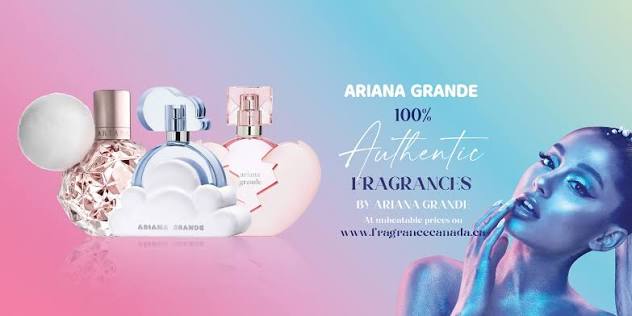
In the first quarter of 2026, Ulta Beauty reported net sales of $3.2 billion, with fragrance outpacing cosmetics and skincare to become the retailer's fastest-growing category. The brands driving that number were not legacy perfume houses with century-old heritage. They were Sabrina Carpenter, Billie Eilish, and Ariana Grande. The more striking figure sits behind those names: since launching her first fragrance in 2015, Ariana Grande has sold more than $1 billion worth of perfume — a number that exceeds the global sales of any single album she has released. The question worth asking is how celebrity fragrance has become one of the most commercially durable formats in the beauty industry.
Why the Old Model Failed — and What Replaced It
The previous version of celebrity fragrance operated on a simple chain: licensing deal, single product launch, fan purchase, shelf clearance. Coty ran this playbook successfully for years, producing lines for Beyoncé, Lady Gaga, and Katy Perry before retreating from the category entirely when the returns stopped justifying the investment. The product existed to convert existing fame into short-term revenue. Once the novelty expired, so did the sales.
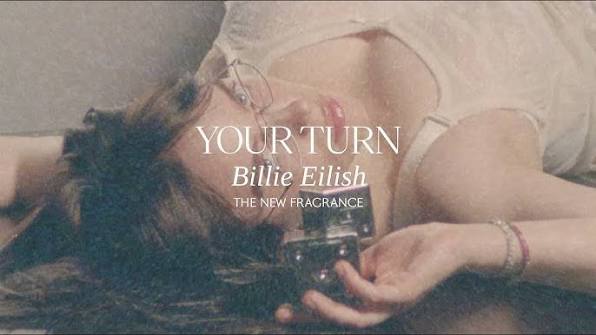
The new model works differently, and the difference comes down to three structural changes. The first is serialization. Ariana Grande has released more than fifteen fragrances; Sabrina Carpenter has four; Billie Eilish has five. Each launch corresponds to a different emotional register or season, building a collection logic rather than a single-purchase moment — a repeat consumer rather than a one-time fan transaction. The second is narrative integration. Cloud Aurora was released in direct alignment with Grande's Eternal Sunshine Tour; Me Espresso takes its name from Carpenter's breakthrough single; Sweet Tooth maps precisely onto the "sweet girl" persona Carpenter has built across her music and public image. The fragrance is not adjacent to the artist's story — it is part of it. The third is financial independence. Industry estimates place Carpenter's royalty income from her fragrance line at over $2 million annually, a revenue stream that continues generating income regardless of whether she releases new music. That is the difference between a merchandise item and an IP asset.
Why Gen Z Makes This Work
A fragrance is not a concert ticket or a vinyl record. It is a product people use every day, which means it creates a different kind of brand contact. For a generation of consumers who think about identity and self-expression through the objects they carry and wear, a fragrance is a more sustained form of cultural affiliation than almost anything else a fan can purchase.
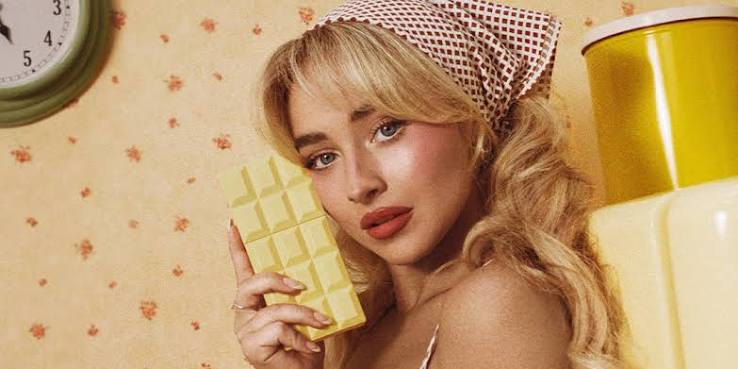
The retail signals confirm the shift. Sephora, which had spent years positioning its fragrance aisle around emerging independent and niche labels, added Billie Eilish's line to its shelves in 2026 — a decision that signals a change in how the category is being evaluated. Scent Chronicles, a specialist fragrance publication, assessed Carpenter's Sweet Tooth as performing at "designer-brand level" in terms of composition, noting it punches well above the typical celebrity-fragrance reputation. The consumer is no longer buying a name. They are buying a fragrance that happens to come with a name they already trust.
The Signal the Industry Cannot Ignore
When Coty — the company that built and then abandoned the earlier wave of celebrity fragrance — signed Megan Thee Stallion and re-entered the market, it sent a specific message. Industry analysts responded immediately: "I wonder if Megan is the first of many, and this is a new direction for them." A major fragrance conglomerate does not reverse course without evidence that the economics have changed. The global celebrity fragrance market is currently valued at approximately $1.4 billion and is projected to reach $2 billion by 2027, growing at roughly 8% annually — a compound growth rate that is difficult to find anywhere else in a beauty industry that is otherwise approaching saturation.
Who Comes Next
Taylor Swift is the most conspicuous absence in this space. She is Spotify's all-time leader in cumulative streams. Her fan base has demonstrated its purchasing power across tour merchandise, vinyl variants, and limited physical releases at a scale no other artist currently matches. And she has no fragrance. The challenge is not demand — it is aesthetic coherence. Her identity has moved across country, pop, and rock across multiple eras, which means any fragrance would need to identify a sensory signature capable of representing all of them at once.
Olivia Rodrigo presents a more straightforward case. Her visual identity — dark purples, nineties punk-adjacent imagery, the collision of vulnerability and anger — maps naturally onto the emotional fragrance category that is currently growing fastest in the market. Billie Eilish built her fragrance line on exactly that territory: moody, non-sweet, packaging that looks like art. Your Turn II, her most recent release, retailed at $90 and sold into Sephora — a trajectory that holds direct relevance for Rodrigo's aesthetic. Her new album has just arrived, and she is at the steepest point of her career's upward curve.The audience she shares with Carpenter has already demonstrated its willingness to buy.