Alphabet reported second-quarter revenue of $119.8 billion on Wednesday, up 24% year over year, as accelerating Google Cloud growth and a large investment gain lifted earnings. Net income reached $9.11 a share, well above Wall Street forecasts.
Yet the strong headline results failed to reassure investors. Alphabet shares fell as much as 5% in after-hours trading before recovering part of the decline, as attention quickly shifted from revenue growth to the company’s rapidly expanding capital expenditures.
Alphabet was the first of the big tech companies to report quarterly results, with Meta Platforms Inc., Microsoft Corp. and Amazon.com Inc. due next week. In April, the four companies indicated that they could spend as much as $725 billion this year on their AI ambitions. Alphabet’s revised outlook suggests that figure may rise further, even as the financial returns on those investments remain uncertain.
The quarter nevertheless provided some evidence that Alphabet’s AI spending is translating into demand. Google Cloud revenue rose 82% from a year earlier to $24.77 billion, comfortably exceeding analysts’ estimate of $22.46 billion. Cloud backlog, representing contracted revenue not yet recognized, increased to $514 billion from roughly $460 billion in the previous quarter.
Cloud demand was “powered by strong demand for AI infrastructure and AI solutions,” Chief Executive Officer Sundar Pichai saids. He added that most of the backlog came from conventional contracts across a broad mix of customers and that it expects to recognize more than half of the total as revenue over the next 24 months.
Google Cloud has therefore become one of the clearest tests of whether Alphabet’s AI investments can generate financial returns. Although the division still trails Amazon Web Services and Microsoft Azure, it is now one of Alphabet’s fastest-growing businesses, supported by AI startups and enterprises building and deploying AI applications.
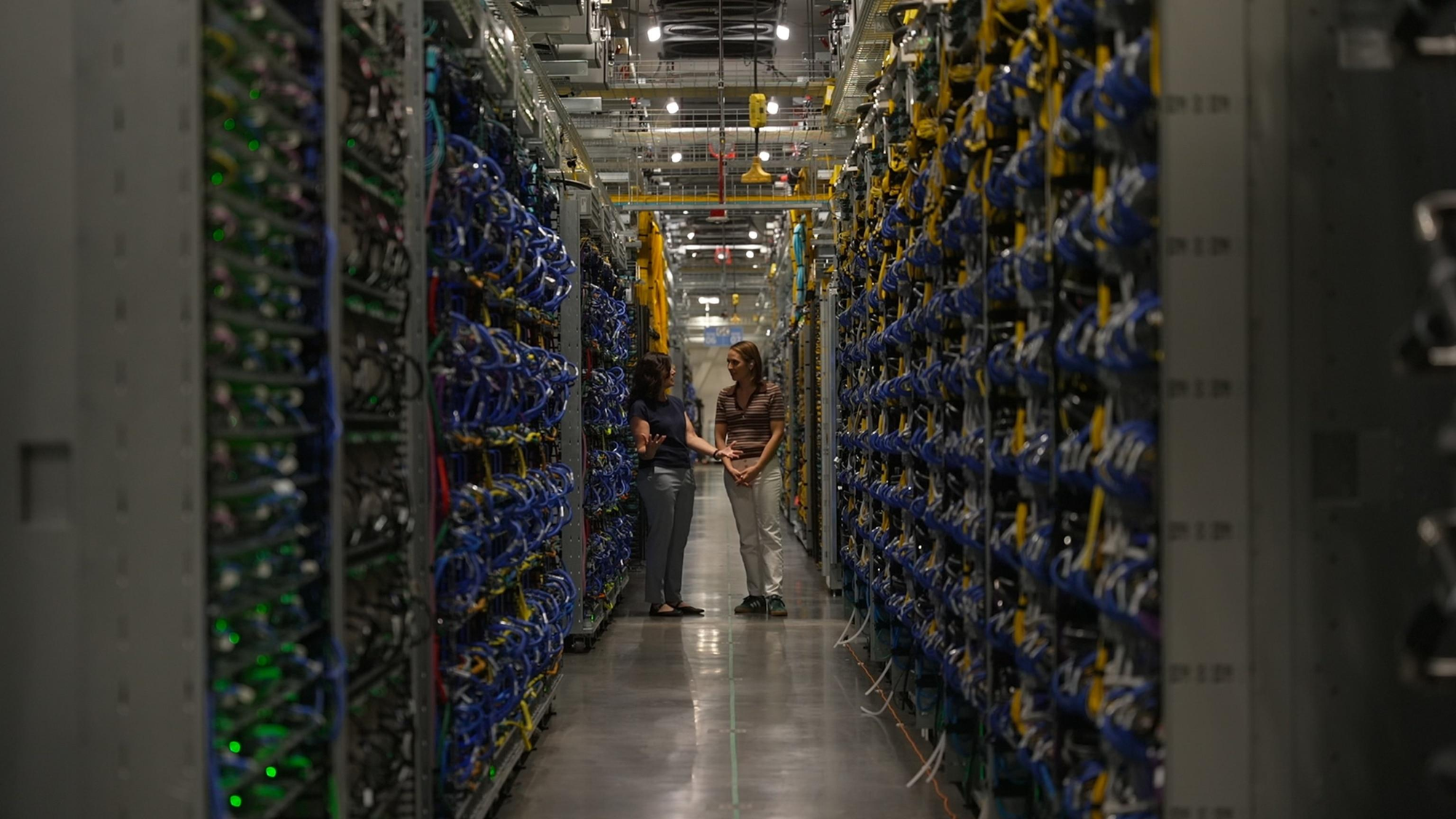
However, the scale of the spending required to meet that demand remains the central concern. Alphabet raised its 2026 capital expenditure forecast to between $195 billion and $205 billion, up from a previous ceiling of $190 billion. The company said the increase would allow it to accelerate the expansion of AI computing capacity and capture more cloud revenue.
The higher outlook set a cautious tone for the rest of Big Tech earnings season, reviving concerns that fiscal discipline is being sacrificed in the race to dominate artificial intelligence.
Alphabet’s expanded spending plan “does not sit well,” Investing.com senior analyst Thomas Monteiro said. He argued that higher interest rates and continued supply constraints in AI infrastructure could challenge the assumption that the company will always be able to finance its investments entirely through internal cash flow.
Those concerns were reinforced by Alphabet’s cash-flow figures. The company generated $39.1 billion in operating cash flow during the quarter but spent $44.9 billion on capital expenditures, producing negative free cash flow of $5.8 billion—its first negative quarter as a publicly traded company.
Following the higher capex forecast, Alphabet is on track to spend roughly $120 billion in the second half of the year. Investors may therefore have to accept further periods of negative free cash flow while waiting for AI-related revenue to catch up.
That dynamic will intensify scrutiny of Alphabet’s AI strategy. Wall Street is looking for clearer evidence that the company’s spending—and similar investments by its rivals—is creating new, profitable growth rather than merely increasing costs.
Meanwhile, Alphabet has more potential uses for AI infrastructure than most of its peers. Its spending supports Google Cloud, the Gemini model family, consumer AI products and the core advertising business. The breadth of those applications may eventually justify the investment, but the timing and scale of the returns remain uncertain.
Google is continuing to expand Gemini, although delays to Gemini 3.5 Pro have raised questions about its competitive position in developer tools and AI coding. Pichai instead highlighted Gemini 4, a larger frontier model, and said Google plans to move toward an almost monthly release cycle.
YouTube revenue reached $11.1 billion, beating estimates, supported by connected TV, creator content and AI-powered tools. Alphabet also recorded nearly $100 billion in investment gains from stakes including Anthropic and SpaceX, sharply boosting net income.
Overall, Alphabet’s results showed that AI demand is already supporting exceptional cloud growth. But the market’s reaction made clear that revenue growth alone is no longer enough: investors increasingly want proof that the company can convert its enormous AI spending into durable cash flow and returns.