

On July 22, Warner Bros. and DC Studios released the full trailer for Clayface just days before this year's San Diego Comic-Con, confirming the film's theatrical release date of October 23, 2026. This is a familiar rhythm for DC — introducing a villain relatively unknown to most casual audiences, and relying on genre innovation and critical reception to drive box office results. That's also the question hanging over Clayface: will a film with a lean budget and an obscure character ultimately succeed or fail?
Basic Information and Universe Positioning
Clayface belongs to the new DC Universe, rather than Matt Reeves' Batman franchise, which DC Studios co-head James Gunn has explicitly designated as a separate "Elseworlds" continuity.
Clayface is not an original character created for this film — he first appeared in Detective Comics in 1940 and is one of the founding members of Batman's rogues' gallery, belonging to the same core group of villains as the Joker, the Penguin, and Two-Face. Unlike those characters, however, Clayface has so far been confined to animation and comics, never having received a live-action adaptation: he holds steady recognition among longtime comic readers, but has never truly broken through into mainstream pop-culture awareness.

The story is set before Gunn's own Superman (2025), making it one of the first works to offer a glimpse of Gotham City in this rebooted universe. The film follows on from the success of The Penguin series within the same villain-centered universe, suggesting DC is testing out "character-driven villain films" as a new product line. Director James Watkins, known for Speak No Evil and The Woman in Black, works from a script by Mike Flanagan and Hossein Amini, with Tom Rhys Harries starring as Matt Hagen — an actor who, after being disfigured, transforms into the shape-shifting villain.
The film's budget is approximately $40 million — lean by superhero standards — and it marks DC Studios' first release to fully commit to the horror genre.
Historical Reference Points
Same-Studio Precedent: Joker
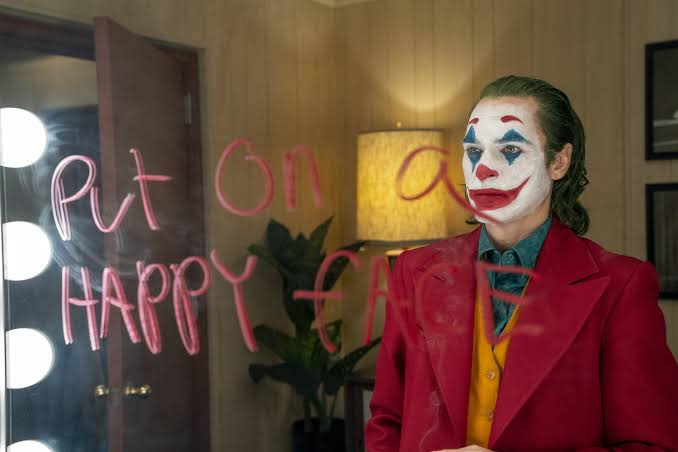
This combination of "low budget plus an obscure character" has a direct precedent, starting with DC's own history. Joker, produced by the same studio (Warner Bros./DC), had a production budget of $62.5 million and grossed nearly $956 million worldwide — a return of more than 15 times its cost, making it one of the most profitable comic-book films ever made. It proved that a film centered on a villain, breaking from the conventional genre template, can also succeed commercially as long as critical reception and awards-season attention align behind it.
Cross-Studio Precedent: Venom and Morbius
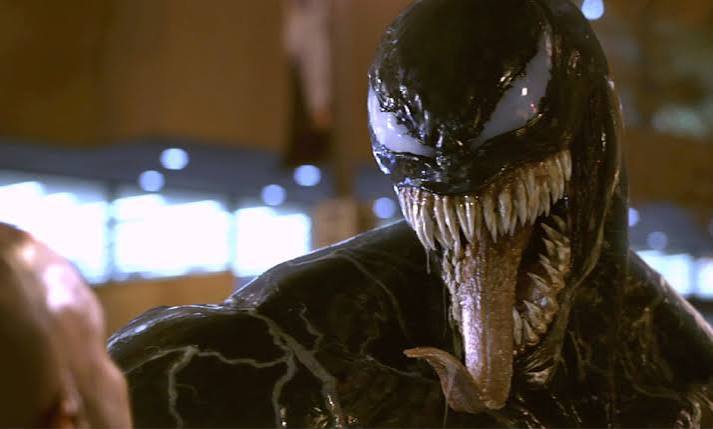
Outside DC, the comparable cases come from Sony's "Marvel villain universe," a franchise built around supporting antagonists from the Marvel comics catalog. Venom, on a $90 million budget, grossed $854 million worldwide — an example of a similarly obscure character successfully breaking out. Morbius failed to replicate that outcome: on a budget of $75–83 million, it grossed just $167.4 million worldwide, with a domestic second-weekend drop of nearly 74%. What's more notable is the gap between its commercial performance and its online buzz: the film became a prolonged viral meme phenomenon — the "It's Morbin' Time" joke cycle persisted for weeks and even prompted a theatrical re-release — yet that attention never converted into ticket sales, illustrating that social media buzz and box office performance are not the same metric.
An Industry-Wide Observation
There's another notable pattern worth flagging here: Marvel Studios itself has largely avoided solo villain films, preferring to introduce antagonists within ensemble-driven entries instead. The "solo villain film" experiment has actually played out at DC and Sony — meaning Clayface's true point of comparison isn't the MCU, but this narrower lineage of Joker, Venom, and Morbius, three films that illustrate just how differently the same playbook can turn out.
Setting Up the Box Office Prediction
DC's own "character-driven" villain films show an extremely wide range of commercial outcomes, and those outcomes depend far more heavily on critical reception and cultural buzz than on the character's inherent name recognition. For instance: a high budget is no guarantee of success (The Suicide Squad grossed $168.7 million, failing to cover its production budget, partly attributed to its day-and-date theatrical/HBO Max release strategy during the pandemic); a low budget doesn't mean a low ceiling (Joker, starring Joaquin Phoenix, turned a $62.5 million budget into nearly $1 billion worldwide); and even a sequel within the same IP can collapse dramatically (Joker: Folie à Deux proved that the goodwill from a predecessor doesn't automatically carry over — the film's box office plunged 81% in its second weekend, ultimately finishing with a domestic total of around $58.2 million against a $190 million production budget).
According to the methodology behind Deadline's annual "Most Profitable Movies" ranking, a film's worldwide gross typically needs to reach 2.5 times its production budget in order to achieve net studio profit. Whether Clayface can hit that mark will only be known once it opens in October.