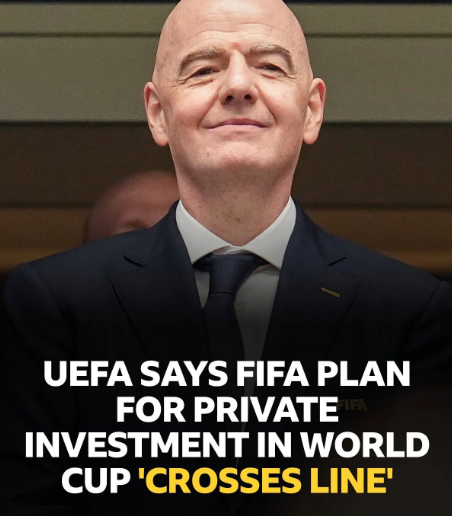
Less than two weeks after the World Cup ended, FIFA announced one of its biggest commercial moves in years.
The organization has launched FIFA Forward Enterprise (FFE), a new company that will manage the commercial rights of its biggest competitions—including the FIFA World Cup and Club World Cup. FIFA also plans to sell up to 21% of FFE to private investors, raising as much as $4.2 billion.
The proceeds will fund an expanded FIFA Fast-Forward Programme (FFFP), significantly increasing financial support for FIFA's 211 member associations.
At first glance, this looks like a straightforward fundraising effort. But it also raises a much bigger question: Should the commercial rights of the World Cup become an investment asset?
Why Now?
FIFA is not short on money.
The organization expects to generate around $15 billion during the 2023–2026 World Cup cycle—nearly double the revenue from the previous cycle, thanks to an expanded World Cup and the revamped Club World Cup.
That makes the timing notable. Rather than filling a funding gap, FFE appears designed to unlock the long-term commercial value of FIFA's biggest tournaments by bringing in outside capital.
A New Funding Model
Under the proposal, member associations will receive substantially higher development funding.
Regular FIFA Forward grants are set to rise from $8 million to $20 million per association in the next World Cup cycle, with additional increases planned in future years. FIFA argues this will accelerate football development worldwide.
Supporters see more investment in grassroots football. Critics argue that larger funding could also strengthen FIFA's influence over member associations, many of which already rely heavily on FIFA support.
The Bigger Debate
The controversy isn't about the money—it's about the asset.
Domestic leagues such as La Liga and Ligue 1 have already partnered with private equity firms. But many argue the World Cup is fundamentally different. It has long been viewed as football's global public competition rather than a commercial property owned by a single organization.
Selling part of the business built around the World Cup raises concerns that commercial priorities could play a greater role in future decisions, from tournament expansion to media rights and governance.
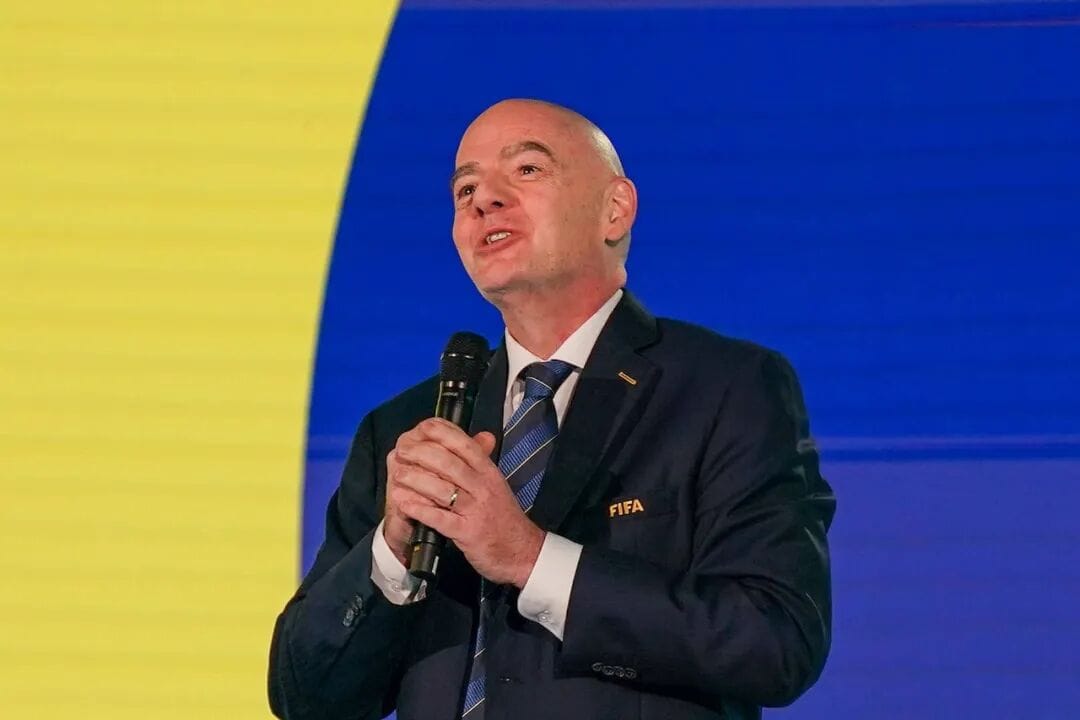
The involvement of JPMorgan Chase as adviser and private investment firm Thrive Eternal as lead investor has only intensified scrutiny over the growing role of financial capital in global football.
What Comes Next?
FFE is not FIFA's first attempt to commercialize its assets. Similar proposals surfaced in 2018 but never materialized.
This time, however, FIFA is returning with stronger financial results, a larger World Cup, and a clearer commercial structure. If the plan moves forward, it could become one of the most significant governance changes in modern football.