A Routine Vote With an Unusual Signal
The latest United Nations Security Council election was not just a routine diplomatic vote. It might be a warning sign.
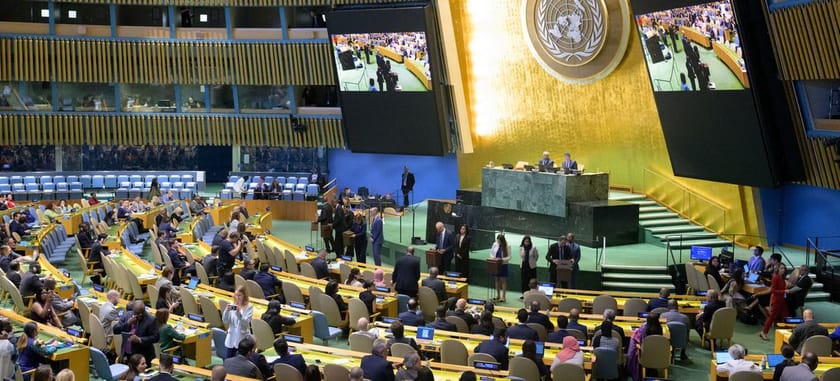
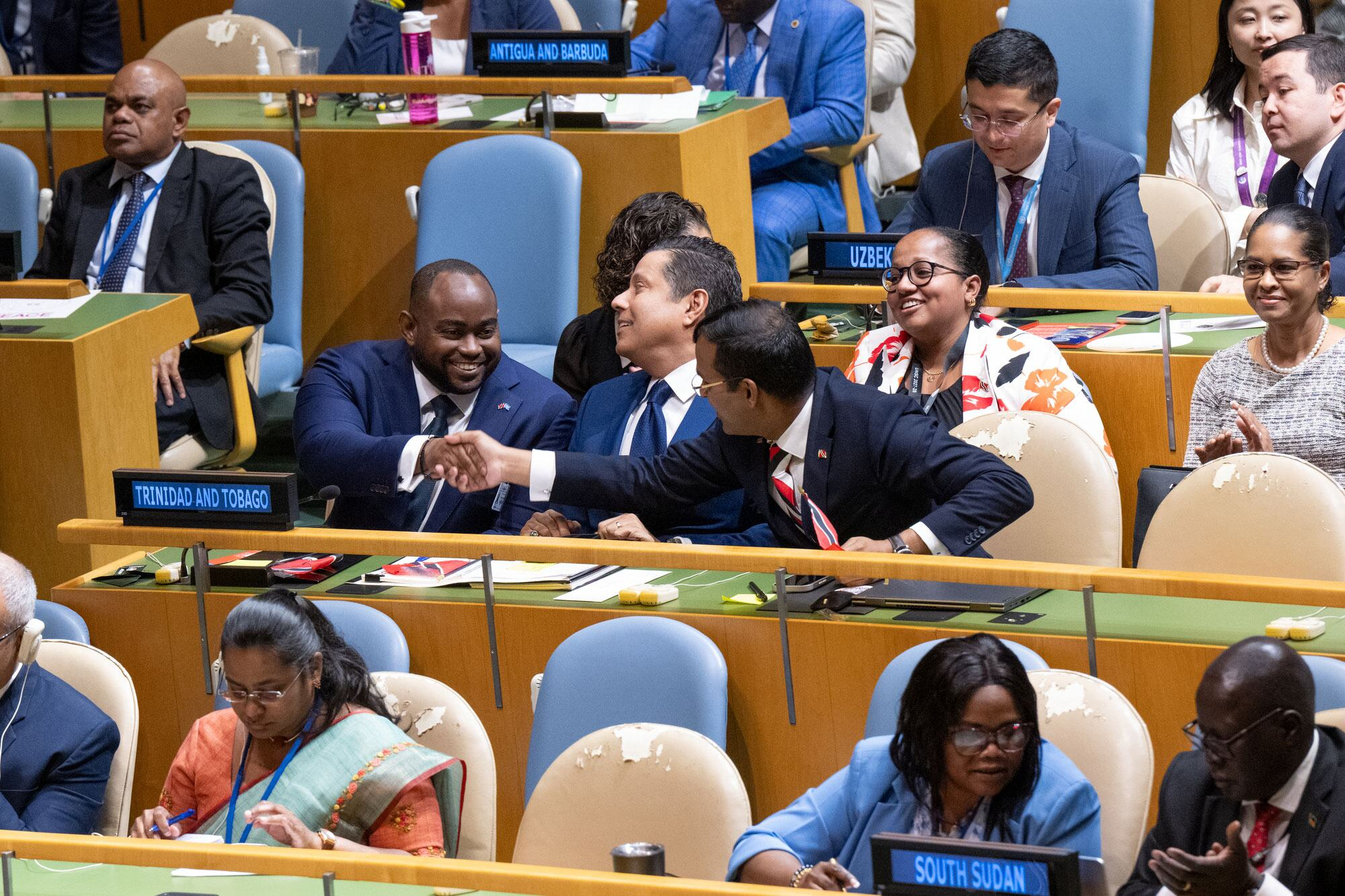
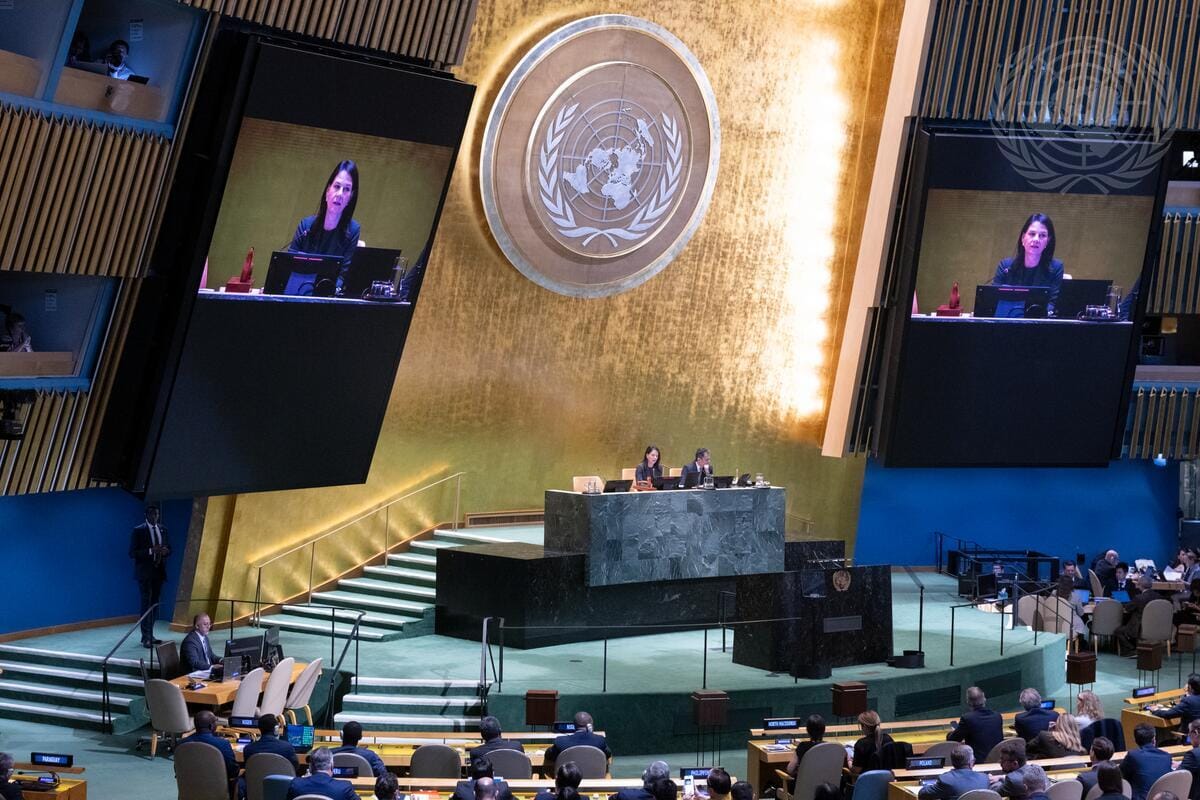
On June 3, the UN General Assembly elected Austria, Portugal, Trinidad and Tobago, Zimbabwe, and Kyrgyzstan to serve as non-permanent members of the Security Council for the 2027–2028 term.
Two results stood out. Germany failed to win one of the two seats reserved for the Western European and Others Group. The Philippines, after four rounds of voting, lost the Asia-Pacific seat to Kyrgyzstan. Germany entered the race with the profile of a heavyweight: Europe’s largest economy, a major supporter of the UN system, and a country that has served on the Security Council six times before. The Philippines also had experience, having previously served four terms on the Council, and carried a strong diplomatic narrative around international law, maritime security, and rules-based cooperation.
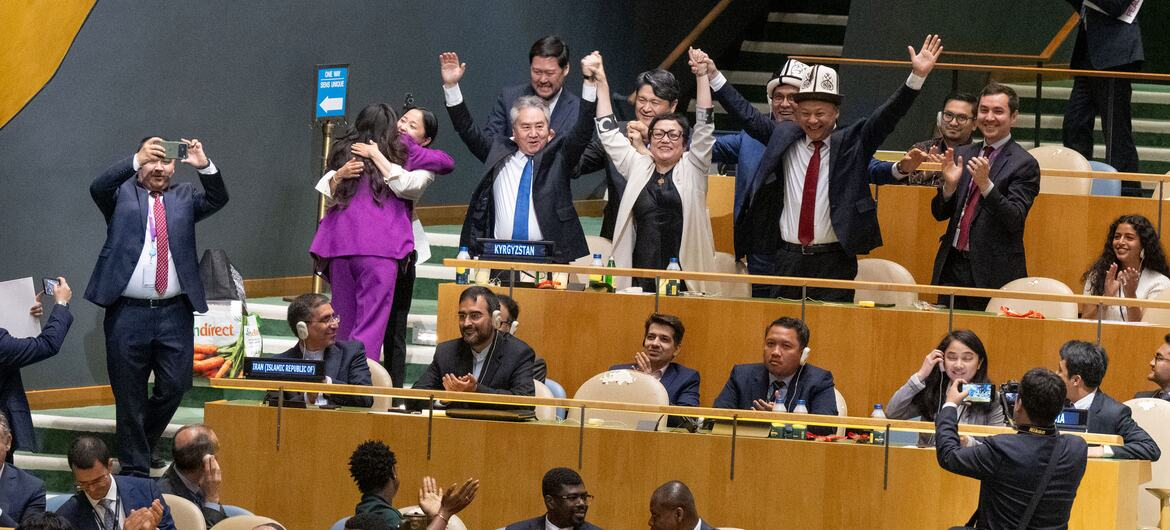
However the voting went in another direction. Portugal received 134 votes, Austria 131, and Germany 104. In the Asia-Pacific contest, Kyrgyzstan led from the first ballot and eventually defeated the Philippines 142 to 49 in the fourth round. It will be Kyrgyzstan’s first-ever term on the Security Council since joining the UN in 1992.
Why the Result Matters
The immediate interpretation is to treat this as a campaign story: Germany miscalculated, Portugal and Austria organized better, Kyrgyzstan built broader support, and the Philippines failed to hold its base.It is the truth, but an important bigger lesson is behind it.The vote suggests that influence at the UN is being measured differently. Size still matters. Money still matters. Alliances still matter. But they no longer guarantee votes.
Germany’s Defeat: When Visibility Becomes a Liability
Germany’s loss is the clearest example. After the result, German Foreign Minister Johann Wadephul said Russia had worked to stir up opposition to Berlin’s candidacy. He also acknowledged that Germany’s strong support for Ukraine, and its special responsibility toward Israel, may have cost it support among some member states.
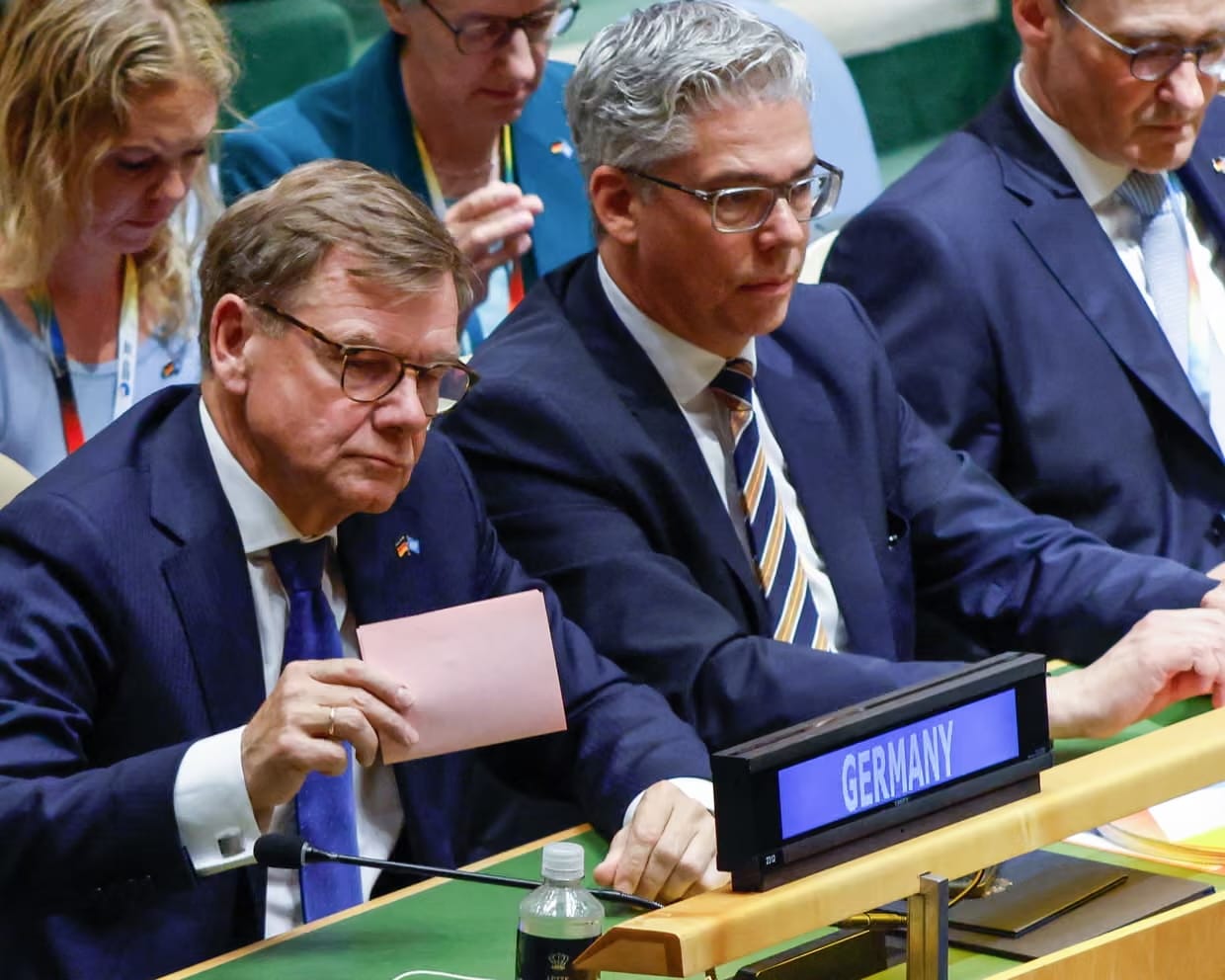
That explanation is plausible, but it should not be read too narrowly. A General Assembly vote is rarely decided by one grievance or one rival power. Secret ballots often capture a wider mood: frustration over Gaza, fatigue over Ukraine, anger at perceived double standards, dissatisfaction with traditional Western leadership, and a desire among smaller or less represented states to make their votes count.In that sense, Germany may not seem like defeat because it was not that relevant. It may have been lost because it was too visible.
Austria and Portugal were not anti-Western alternatives. Both are European states, and both are firmly within the broader Western diplomatic family. But they appeared to carry less political weight into the room. Austria emphasized neutrality, dialogue, and trust. Portugal framed its campaign around prevention, partnership, and protection.
These are not dramatic slogans. But in a divided UN environment, a lower-friction candidate can be more attractive than a larger power with clearer geopolitical baggage.
The Philippines’ Loss: The Power of Representation
The Philippines’ defeat points to a different part of the same story. Kyrgyzstan’s candidacy offered something the Philippines could not: first-time representation and a stronger claim to giving Central Asia a voice in global security debates.
Security Council Report noted before the vote that Kyrgyzstan was backed by Central Asian countries seeking to strengthen the region’s voice, while the Philippines had endorsements from ASEAN and the Asia-Pacific Group.
That contrast matters. The Philippines had institutional support and strategic relevance. Kyrgyzstan had novelty, regional symbolism, and a lower-profile diplomatic posture. In the end, the latter proved more powerful.
This does not mean the UN has turned against the West, or that familiar alliances no longer matter. That would be too simple. The elected list includes Austria and Portugal, both Western European countries.
The result is better understood as a shift from automatic deference to selective support. Countries are still willing to vote for Western candidates. They are less willing to vote for Western candidates simply because they are Western, wealthy, or strategically important.
The New Logic of UN Influence
That distinction is central to understanding the UN’s current power structure.
Many member states want a stronger multilateral system, but not one dominated by the same powers. Many want international law, but not selective enforcement. Many want reform, but not instability. Many are willing to cooperate with the United States and Europe, but they do not want every UN vote to become a referendum on great-power alignment.
This is why the phrase “Global South” should be used carefully. It is not a single bloc with one agenda. It includes countries with different interests, alliances, economic models, and security concerns.
But as a voting force, it is becoming more confident. It is better organized, more willing to punish inconsistency, and more capable of using procedural votes to send political messages.
Why Elected Members Still Matter
The Security Council remains structurally dominated by its five permanent members: China, France, Russia, the United Kingdom, and the United States. They hold veto power, and no elected member can override that reality. The Council has also been repeatedly constrained by divisions over Ukraine and Gaza.
But elected members are not irrelevant. They shape negotiations, build coalitions, bring regional crises onto the agenda, and influence the diplomatic tone around major conflicts. In a fragmented Council, the ten elected members can become more important precisely because the permanent five are often divided.
That makes the 2027–2028 Council worth watching. Austria and Portugal may try to present themselves as bridge-builders inside a divided Western camp. Kyrgyzstan may bring Central Asian and Afghanistan-related concerns closer to the Council’s center of gravity. Trinidad and Tobago and Zimbabwe will add Caribbean and African perspectives at a time when reform pressure is growing.
Questions to Watch
The deeper signal is that the UN is becoming less predictable in the old way. Diplomatic weight no longer converts automatically into support. Strategic relevance can become a liability if it looks too closely tied to one camp. Smaller or less exposed candidates can outperform larger names if they offer broader comfort across regions.
For policymakers, this should be a sobering result. For observers, it opens several questions worth tracking.
Will major powers adapt by working through quieter partners? Will smaller states continue to gain leverage in secret-ballot elections? Will donor countries become more frustrated if financial contributions do not translate into political backing? And will future UN leadership contests reward the most qualified candidate, or the candidate with the lowest rejection risk?
The Next Test Is Already Coming
That last question leads directly to the next major test. António Guterres’s term ends on December 31, 2026, and the process to choose the next UN Secretary-General is already underway. That contest will follow a different path, with the Security Council and the permanent members playing a decisive role.
Still, the mood revealed by this vote should not be ignored.
The lesson from this time's Security Council election is straightforward: the strongest candidate on paper is not always the safest candidate in the room. And at today’s UN, safety may be the most valuable asset of all.
Sources:
- UN: https://trinidadandtobago.un.org/en/316628-trinidad-and-tobago-elected-non-permanent-member-un-security-council
- Security Council Report: https://www.securitycouncilreport.org/atf/cf/%7B65BFCF9B-6D27-4E9C-8CD3-CF6E4FF96FF9%7D/security_council_elections_2026.pdf
- Reuters: https://www.reuters.com/world/germany-puts-brave-face-un-security-council-defeat-2026-06-03/?utm
- Reuters: https://www.reuters.com/world/how-will-next-un-chief-be-chosen-who-wants-job-2026-03-26/?utm