CoreWeave's Q2 was less about another quarter of exceptional AI demand than about the first credible signs that demand is converting into operating leverage. Revenue rose 112% yoy to $2.575bn, near the top of guidance and slightly above the ~$2.56bn consensus, while adjusted operating income of $128mn exceeded management's $30mn-$90mn range and lifted margin to 5% from 1% in Q1.
Will CoreWeave report >7% adjusted operating margin in 3Q2026?
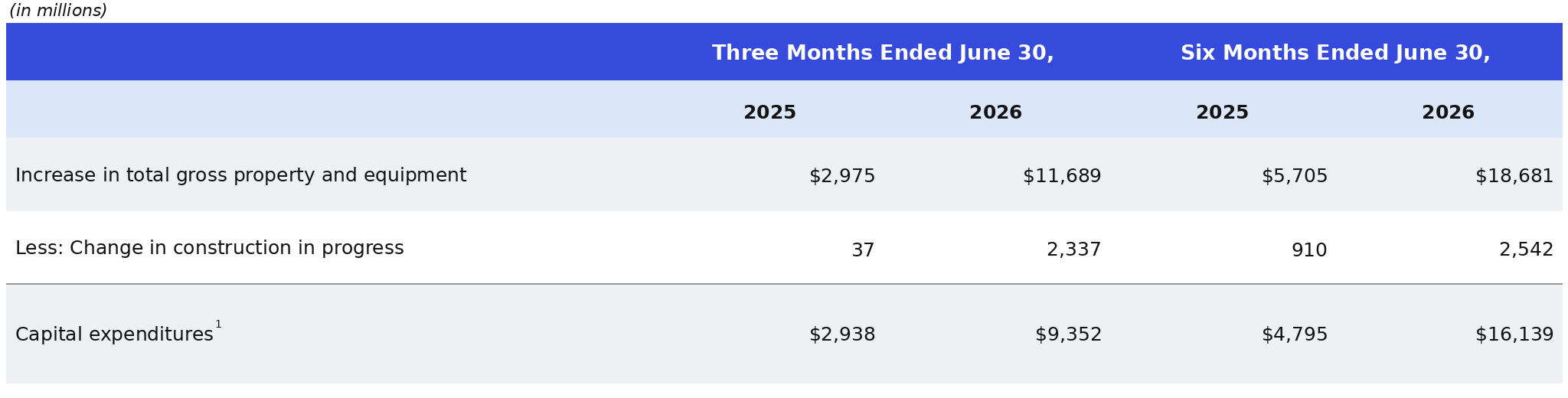
The inflection matters because it arrived before a roughly 25% July price increase cited on the call. But it is not yet proof of attractive corporate economics: adjusted operating margin remained far below 16% a year earlier, net loss was $626mn and quarterly capex reached $9.35bn.
The central question is no longer whether CoreWeave can sell scarce AI capacity; it is whether each new cluster can earn enough over its life to outrun depreciation, interest and technological obsolescence.
TL;DR: Key takeaways
- The quarter strengthens the operating-leverage case, but does not complete it. Adjusted operating income rose by $107mn qoq on $497mn of incremental revenue, suggesting that already-built infrastructure is absorbing fixed costs more effectively as utilization increases. Q3 adjusted operating-income guide of $200mn-$260mn and low-double-digit Q4 margin target imply that this conversion should accelerate.
The caveat is the yoy comparison: adjusted operating income fell 36% and adjusted EBITDA margin slipped to 59% from 62%, reflecting depreciation and commissioning costs from the buildout. CoreWeave has shown a sequential turn, not yet a normalized margin.
- Pricing and product mix provide a plausible route to the Q4 target.
Management said new contracts carry contribution margins 5-10 percentage points above those signed in recent quarters, reflecting pricing, newer systems and more storage, CPU, networking and software content.
Managed inference ARR increased from about $1mn at launch to more than $100mn, with at least $250mn targeted by year-end; non-GPU ARR exceeded $400mn.
These services can broaden the customer funnel and raise revenue per cluster, but remain small beside the core infrastructure business and are management-reported operating indicators rather than GAAP revenue categories.
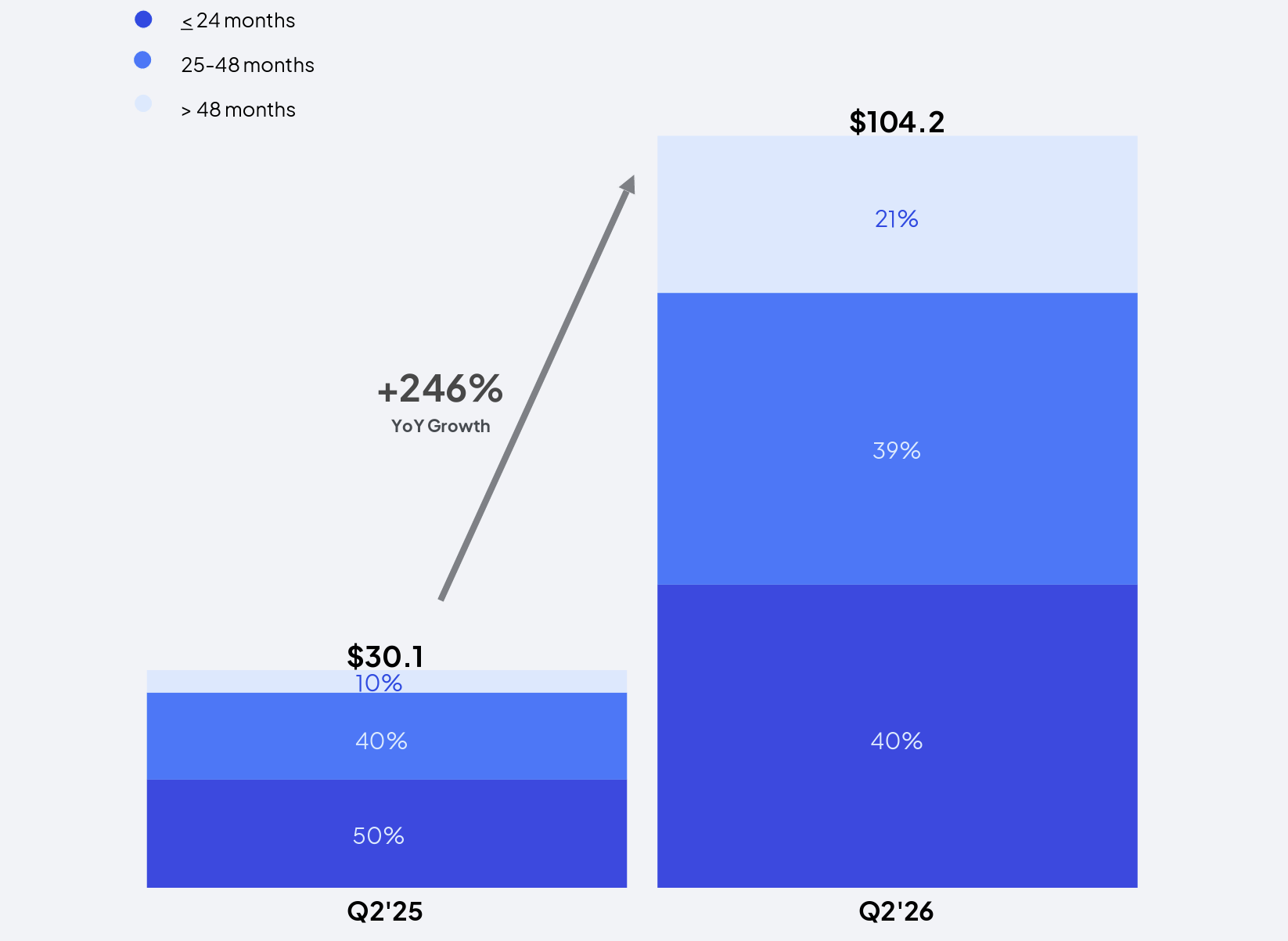
- Backlog is becoming an execution schedule rather than a demand indicator. The $104.2bn balance was up 246% yoy and was followed by more than $25bn of early-Q3 commitments, leaving little doubt about customer appetite. What matters now is conversion: 40% is expected within 24 months, and recognition depends on delivery and service availability.
CoreWeave's 1.5 GW of active power and 4.2 GW contracted after quarter-end support future scale, but also expose the model to permitting, construction and supply-chain timing. Backlog has value only when powered capacity reaches customers at the underwritten return.
- The A100 renewal is the call's most important evidence - and its easiest point to overstate. A customer extended use of the 2020-era GPU through 2029 at what management called attractive pricing. If the initial contract has repaid the associated debt, a second term could materially raise lifetime returns without another GPU purchase.
That suggests obsolescence may be slower than feared during a supply-constrained cycle. It does not make old hardware costless or appreciating: power, space and maintenance remain, and one renewal cannot establish fleet-wide residual value.
- Financing innovation widens the market, while increasing the importance of discipline. Management said DDTL 5.5 can finance shorter-duration contracts preferred by enterprises, potentially opening a 2-3 year market that previously did not fit five-year asset-backed structures. Shorter contracts may command higher pricing, but leave more renewal risk. With FY2026 capex raised to $35bn-$39bn and interest expense already $640mn in Q2, cheaper or more flexible debt helps only if contract-level returns remain above the cost of capital.
Key debates
- Will $104.2bn of backlog convert on schedule and at attractive returns?
- Is the A100 renewal representative of the wider fleet?
- Can financing costs fall faster than the asset base expands?
Source:
- Company press release; https://investors.coreweave.com/financials/quarterly-results/default.aspx