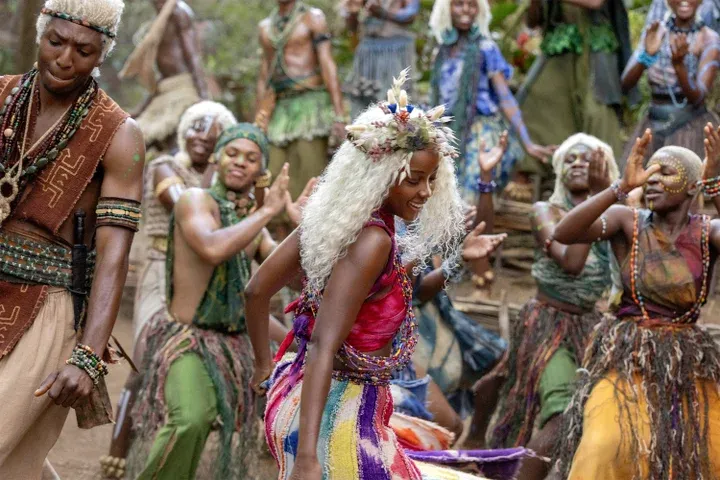
Children of Blood and Bone, the YA fantasy adaptation, is set for an IMAX release on January 15, 2027. The film wrapped production in June 2025 and released its official trailer in July 2026. Behind the project sits an unusual tension: the source novel arrives with a substantial commercial track record of its own, while the author, Tomi Adeyemi, has publicly distanced herself from the film. On the budget side, Paramount has committed what multiple outlets describe only as a "massive" production budget, without a specific figure being disclosed. These circumstances have made the film's eventual box office performance a subject of active speculation, though with the release still more than five months away, any read on its prospects should be treated as directional rather than precise.
The Book's Commercial Foundation
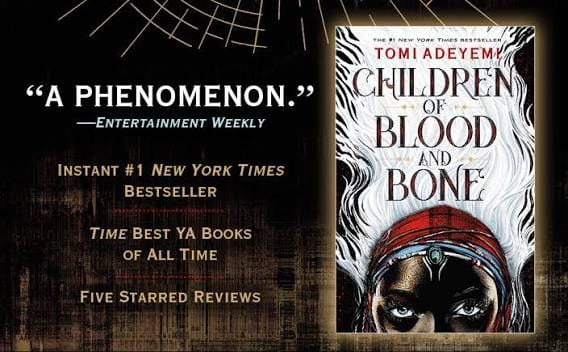
The novel's own numbers offer a useful floor for expectations. According to Deadline, the book and film rights sold for seven figures each before the novel was even published in 2017, in what was described as one of the largest publishing deals ever for a YA debut. After its March 2018 release, the book shot to No. 1 on the New York Times bestseller list within three weeks, remained in the top ten for an extended stretch, and has logged more than 120 cumulative weeks on the list. It won the 2018 Andre Norton Award, the 2019 Hugo Award for Best Young Adult Book, and the 2019 Waterstones Children's Book Prize, while Adeyemi herself was named to Time's 100 Most Influential People list. The trilogy has sold more than 2 million copies worldwide. Taken together, this data suggests the book had already built an audience and market presence independent of the film — a relevant reference point when thinking about how much of a built-in audience the film might draw on opening weekend.
Where Comparable YA Adaptations Have Landed
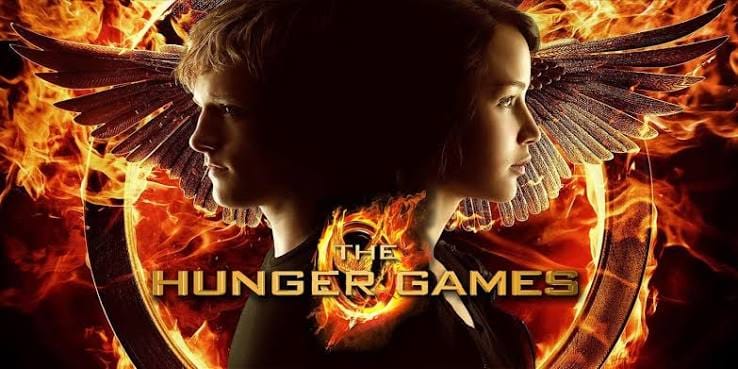
Looking at how similar YA fantasy franchises have opened historically offers a rough sense of the range this film might fall into. At the high end, Twilight (2008) opened to $69.6 million and The Hunger Games (2012) to $152.5 million — both considered ceiling-level performances for the genre. In the middle tier, Divergent (2014) opened to $56 million, with roughly half its opening-weekend audience made up of existing book readers. On the lower end, later-franchise entries have shown clear decline: The Hunger Games: The Ballad of Songbirds and Snakes (2023), a prequel to an established franchise, opened to $44 million despite the brand recognition, reflecting the gap created by years between releases; Divergent's own third installment, Allegiant, had fallen to a $29.4 million opening by that point in its franchise cycle. Broadly speaking, new entries in this genre with a mobilized book fanbase have tended to land somewhere in the $44–56 million range, which offers a general sense of what a solid — rather than blockbuster or disappointing — outcome might look like for a new IP like this one.
Factors That Could Shape the Outcome in Either Direction
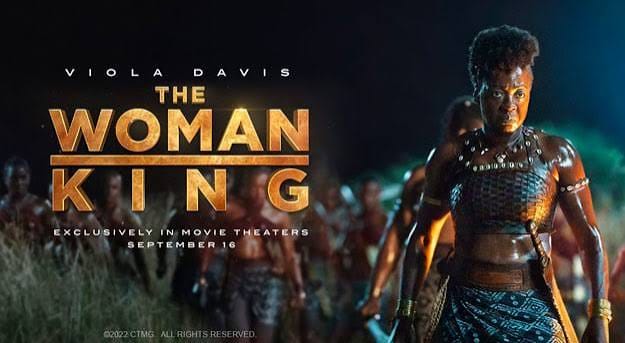
Director Gina Prince-Bythewood and star Viola Davis previously worked together on The Woman King (2022), which offers the closest available comparison — the two films share not just a director and lead actress, but cinematography, editing, and composing credits as well. The Woman King, made on a $50 million budget, opened to $19 million domestically — beating Sony's own conservative internal estimate of $12 million and tracking slightly above outside projections of $15–18 million, but noticeably below the range typically seen for YA fantasy franchise openings. That result suggests this same creative team, without an existing book IP and fanbase behind it, has tended to land closer to the performance of a solid mid-budget historical drama than a major YA tentpole. In other words, star power and directorial pedigree alone haven't reliably translated into outsized openings for this group before — how Children of Blood and Bone performs will likely have more to do with whether the book's existing readership turns out than with the cast itself.
On the competitive landscape, the two other wide releases sharing the January 15, 2027 date are The Beekeeper 2, an action sequel, and an untitled Blumhouse horror project. Neither targets the same core audience — young, book-driven, and skewing female — that Children of Blood and Bone is counting on, which somewhat offsets the disadvantage of landing in January, historically one of the weaker months for wide releases. Early trailer reception has been mixed: praise has centered on the visuals, action sequences, and cast, while criticism has focused on faithfulness to the source material and on the surrounding controversy over Adeyemi's stance. No concrete view-count or engagement data is currently available to quantify that reception either way.
The Author Controversy, and Why History Doesn't Clearly Point Either Way
In July 2026, Adeyemi stated publicly that she would not watch the film and was "formally separating" her name from it, despite remaining credited as an executive producer and co-screenwriter; she had previously said she blocked star Amandla Stenberg and asked her not to mention Adeyemi in interviews. The dispute traces back to casting choices some argued departed from the book's specific descriptions of skin tone and hair texture for its characters.It's worth noting, though, that historical precedent doesn't clearly support the idea that author or fan backlash reliably hurts box office — there are counterexamples. The Da Vinci Code faced a public boycott call from the Vatican ahead of its release, yet still grossed $760 million worldwide, with reporting at the time noting the backlash "had little negative impact" on ticket sales. The closer parallels to an author publicly airing dissatisfaction — Margaret Atwood's ongoing criticism of The Handmaid's Tale series, or George R.R. Martin's frustration with Game of Thrones' ending — mostly emerged after release, functioning as reception-level feedback rather than something that shaped pre-release ticket-buying intent. That timing doesn't map cleanly onto Adeyemi's decision to publicly break from the project months before release. On balance, this remains one of the more genuinely open variables shaping how the film's opening weekend might unfold, and one that current historical precedent doesn't resolve either way.