Experts say slashed funding and growing misinformation are some of the greatest challenges facing public health.
In your opinion, what's the key concern on U.S. pandemic response?
The hantavirus outbreak, while unlikely to spark the next big pandemic, is shining a spotlight on the ways public health has deteriorated in the US: its ability to test for rare diseases, its expertise on outbreak prevention and response, its ability to battle misinformation and restore trust.
“Assuming everything goes well in containing this outbreak, which I hope it does, the takeaway from that should not be ‘we’re fine,’” said Stephanie Psaki, former White House global health security coordinator. “We’re not ready for this type of threat.”
Many of the people at health agencies who plan for a quick response to outbreaks, and the systems supporting them, are gone now, Psaki noted. Yet “this is just one of many, many pathogens. These types of things will continue happening.” And, she pointed out, there’s a 50/50 chance of another pandemic at least as bad as Covid in the next 25 years, according to scientific models.
Examining the mistakes – and the progress – made during the Covid pandemic can help us prepare for the next big one, Psaki and other former top US officials said at a recent event in Washington DC.
Misinformation is one of the greatest challenges facing public health. Conspiracy theories and rumors aren’t new; even the Milan plague around 1630 had its share.
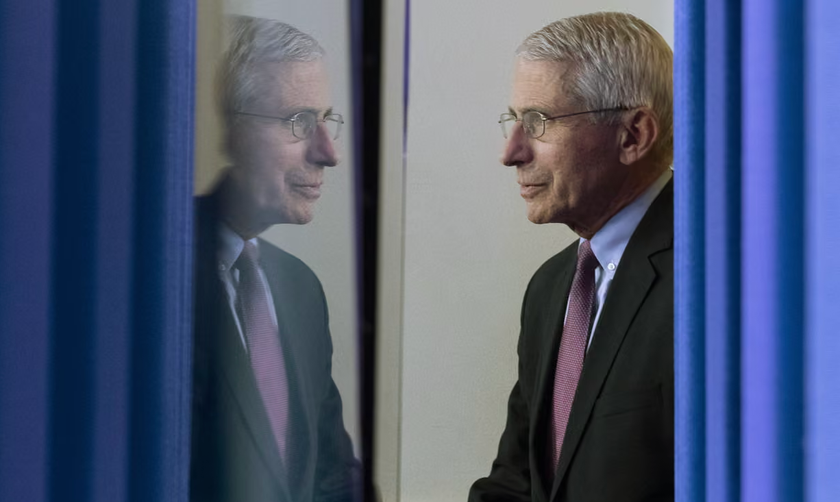
But “the only difference between hundreds of years ago is social media”, said Anthony Fauci, former chief medical adviser to the president and former director of the National Institute of Allergy and Infectious Diseases. “We’re just being overwhelmed” with misinformation online, he said, calling it “a real problem which I don’t see any easy solution to”.
People don’t often relate to rigorous studies with methods sections, statistical analyses, and 17 supplementary figures in the New England Journal of Medicine, but they frequently relate to social media influencers pushing fake cures, Fauci said.
“It’s stunning. It’s painful, but it’s true that somebody on social media who’s a trusted influencer will outflank any scientist who’s trying to show you data, so you can’t fight misinformation with data,” Fauci said. “You have to fight misinformation with figuring out a better way to communicate to people on a level that they understand.”
Source: The Guardian; https://www.theguardian.com/us-news/2026/may/17/pandemic-preparedness-after-covid