The AI power boom is hitting a reality check.
What do you think will be the biggest bottleneck for AI data centers in 2027?
Texas: Filtering “Ghost Demand”
Data center power requests are still surging, but utilities are becoming more cautious about how much of that demand is actually credible.
Across parts of the U.S., large-load requests now exceed 700 GW, more than 10 times estimated current U.S. data center power use. Texas is the most extreme case, with requests rising from about 48 GW in 2023 to more than 474 GW today.
The state has frozen new data center grid connections while regulators review project ownership, financing and power plans.
Signs of overstatement are already showing up elsewhere:
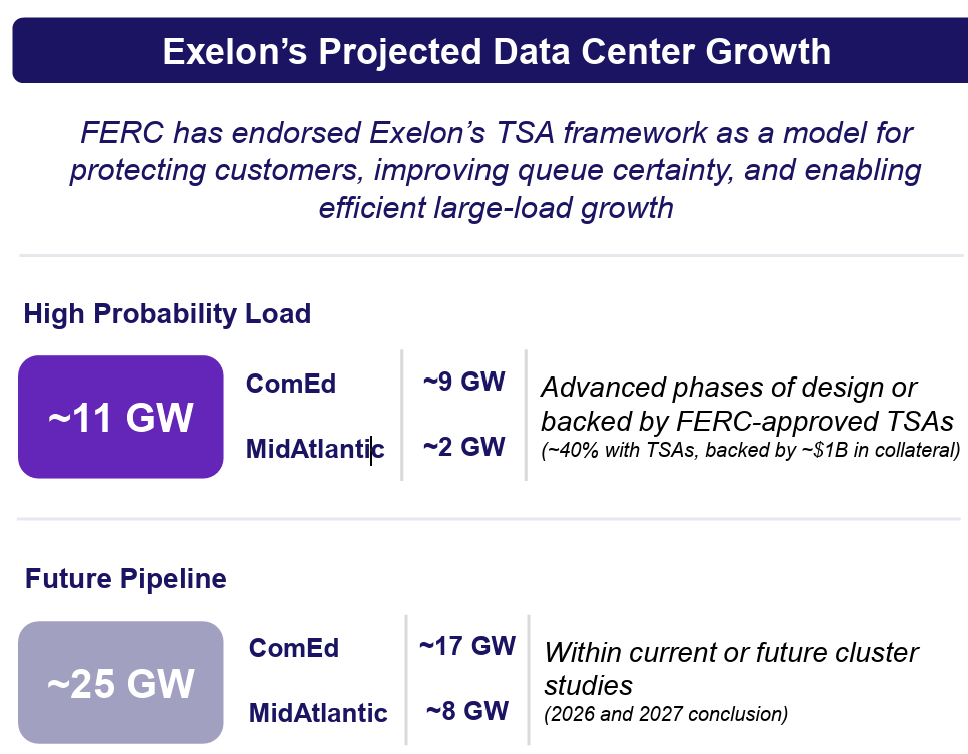
- Exelon: high-probability demand fell about 40% to 11 GW after tighter collateral requirements.
- AEP Ohio: its pipeline fell by more than half after stricter connection rules.
- Pennsylvania: more than 100 data centers have been proposed, but only 20 had applied for required permits.
The growing gap between requested capacity and committed load is becoming a core issue for grid planning.
Google–Fervo: Locking In Real Power
While regulators are filtering speculative demand, hyperscalers are moving to secure power for projects they expect to build.
Fervo Energy signed a deal to supply Google with 396 MW of geothermal power from Cape Station in Utah. Google also has an option for another ~600 MW, taking potential capacity to nearly 1 GW by June 2030.
The partnership has scaled quickly:
- 2023: Project Red pilot
- 2024: 115-MW PPA
- 2026: 396-MW agreement
- By 2030: potential capacity of nearly 1 GW
Cape Station is expected online in 2028 and is intended to support Google’s potential Utah data center expansion.
For hyperscalers, geothermal is attractive because it can provide around-the-clock power, rather than relying only on intermittent generation.
SB Energy: Financing the Buildout
Once demand is credible and power is secured, the next issue is capital.
SoftBank-backed SB Energy has filed for a U.S. IPO, combining data centers with power generation and battery storage.
Its scale is already significant:
- 8.8 GW of data center capacity contracted or under construction
- 5.5 GW of power projects
- $430 billion data center backlog
- Planned 9.2-GW natural gas plant
OpenAI and Nvidia are both strategic investors and customers. Nvidia has also agreed to buy $1.5 billion of non-voting shares at the IPO price.
The buildout remains heavily front-loaded. SB Energy reported a $3.2 billion net loss on $139 million of revenue in 1H26, while its first data center revenue is expected in Q4 2026.
That illustrates how much capital has to be committed before large-scale AI infrastructure begins producing meaningful revenue.
Source:
- Reuters - https://www.reuters.com/business/texas-halt-powering-data-centers-reflects-us-reckoning-over-ghost-demand-2026-09-01
- Reuters - https://www.reuters.com/legal/litigation/fervo-signs-396-mw-geothermal-power-supply-deal-with-google-shares-jump-2026-09-01
- Bloomberg - https://www.bloomberg.com/news/articles/2026-09-01/softbank-backed-sb-energy-files-for-ipo-to-tap-ai-power-thirst