Apple is expected to raise prices on its next generation of premium iPhones this autumn as higher memory and processor costs squeeze margins across its hardware business.
The iPhone 18 Pro and Pro Max may cost $100 to $200 more than comparable current models, according to Bloomberg’s Mark Gurman. GF Securities analyst Jeff Pu has estimated a steeper increase of $250 to $300, citing higher prices for advanced processors, DRAM and NAND memory.
Will Apple raise the US starting price of the iPhone 18 Pro by at least $200 compared with the iPhone 17 Pro?
Apple’s first foldable iPhone is expected to start at at least $2,000. More expensive camera systems, a complex foldable display and tighter manufacturing yields are likely to push its production cost well above that of a conventional iPhone.
The expected increases follow mid-cycle price rises across parts of Apple’s Mac and iPad portfolios. Chief Executive Officer Tim Cook has described the surge in memory prices as a “100-year flood,” while warning that silicon costs will also remain elevated.
Apple is responding by reshaping its semiconductor supply chain.
The company agreed in July to spend more than $30 billion with Broadcom Inc. under a multiyear agreement covering custom silicon and wireless-connectivity components. The partnership is expected to produce more than 15 billion chips in the US, strengthening Apple’s domestic supply base even as component costs rise.
 Bloomberg
At the same time, Apple has begun testing DRAM chips from China’s ChangXin Memory Technologies (CXMT), for devices sold in China. The move would give Apple another potential source of memory as supplies tighten and prices rise, though the company would face US political and regulatory scrutiny over its use of a Pentagon-blacklisted supplier.
 Jiayi ZHANG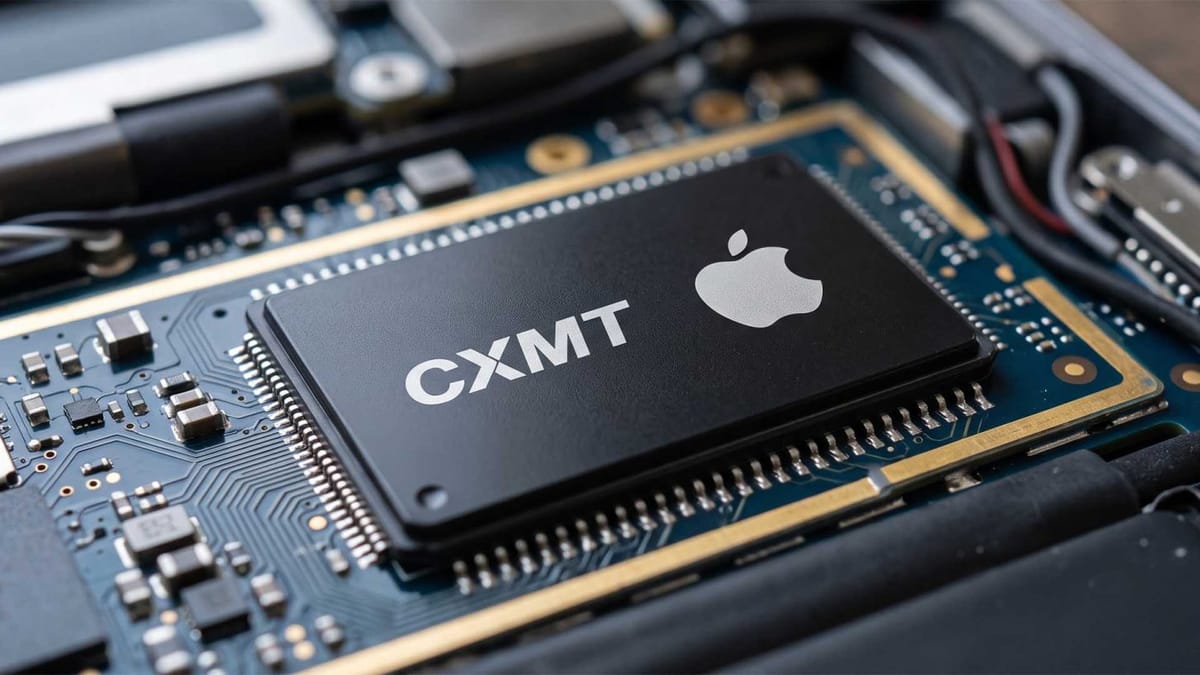
Apple’s interest has also drawn opposition from Micron Technology Inc. The US memory producer has argued against allowing Apple to purchase CXMT chips, while Apple has pushed for greater competition among suppliers to reduce its exposure to the shortage.
The dispute highlights the conflicting interests created by the memory crunch. Apple wants more supply and lower prices, while Micron and other established producers are benefiting from tight capacity and stronger pricing.
 Reuters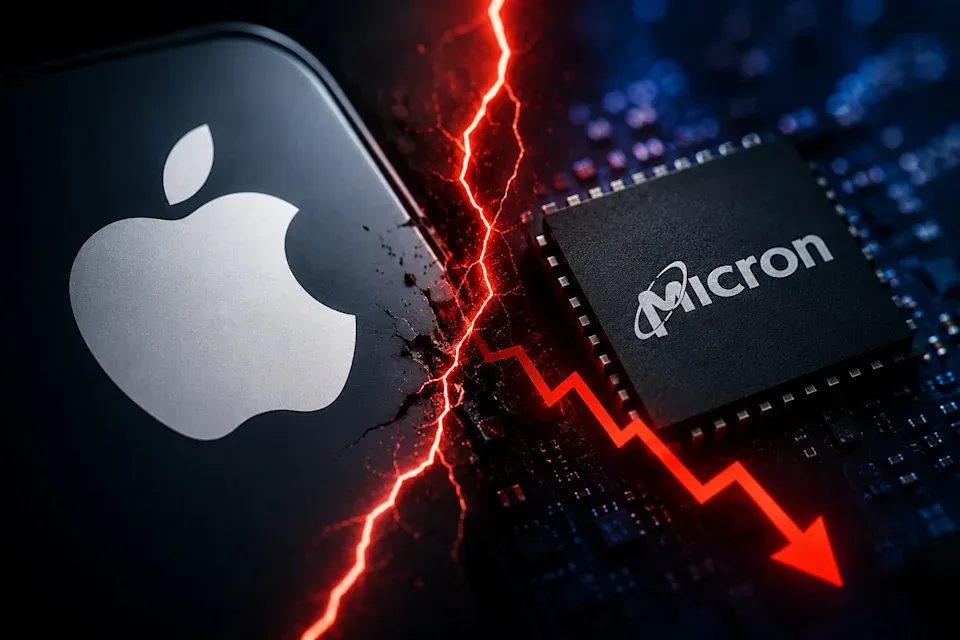
Apple may ultimately pass more of those costs on to buyers. A $100-to-$200 increase would broadly match its recent Mac and iPad adjustments, while a larger rise would suggest that the company is no longer willing to absorb semiconductor inflation through lower margins.
The iPhone launch will therefore be more than a test of Apple’s pricing power. It will show how the global shift toward AI infrastructure is reshaping the economics of consumer electronics, as chipmakers prioritize higher-margin data-center demand and device makers compete for tighter supplies. Apple’s response — diversifying suppliers, deepening domestic partnerships and passing more costs to consumers — could become a model for how the broader hardware industry adapts to a structurally more expensive semiconductor market.