Sharp turnaround for state-backed company central to Beijing’s AI supply chain efforts.
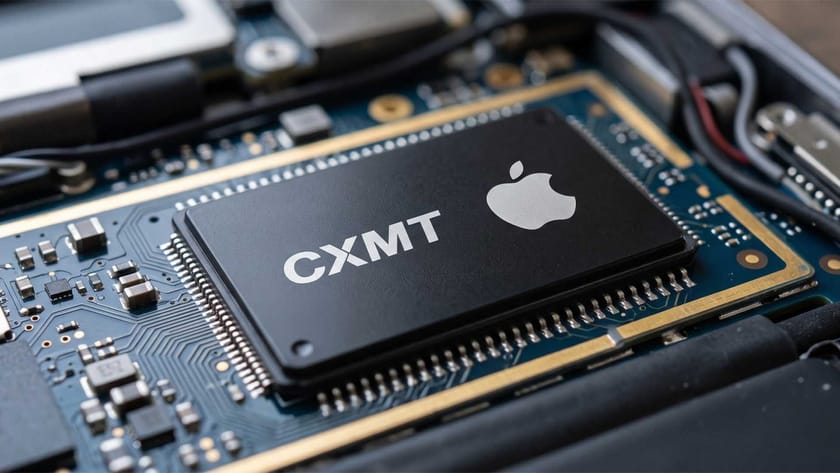
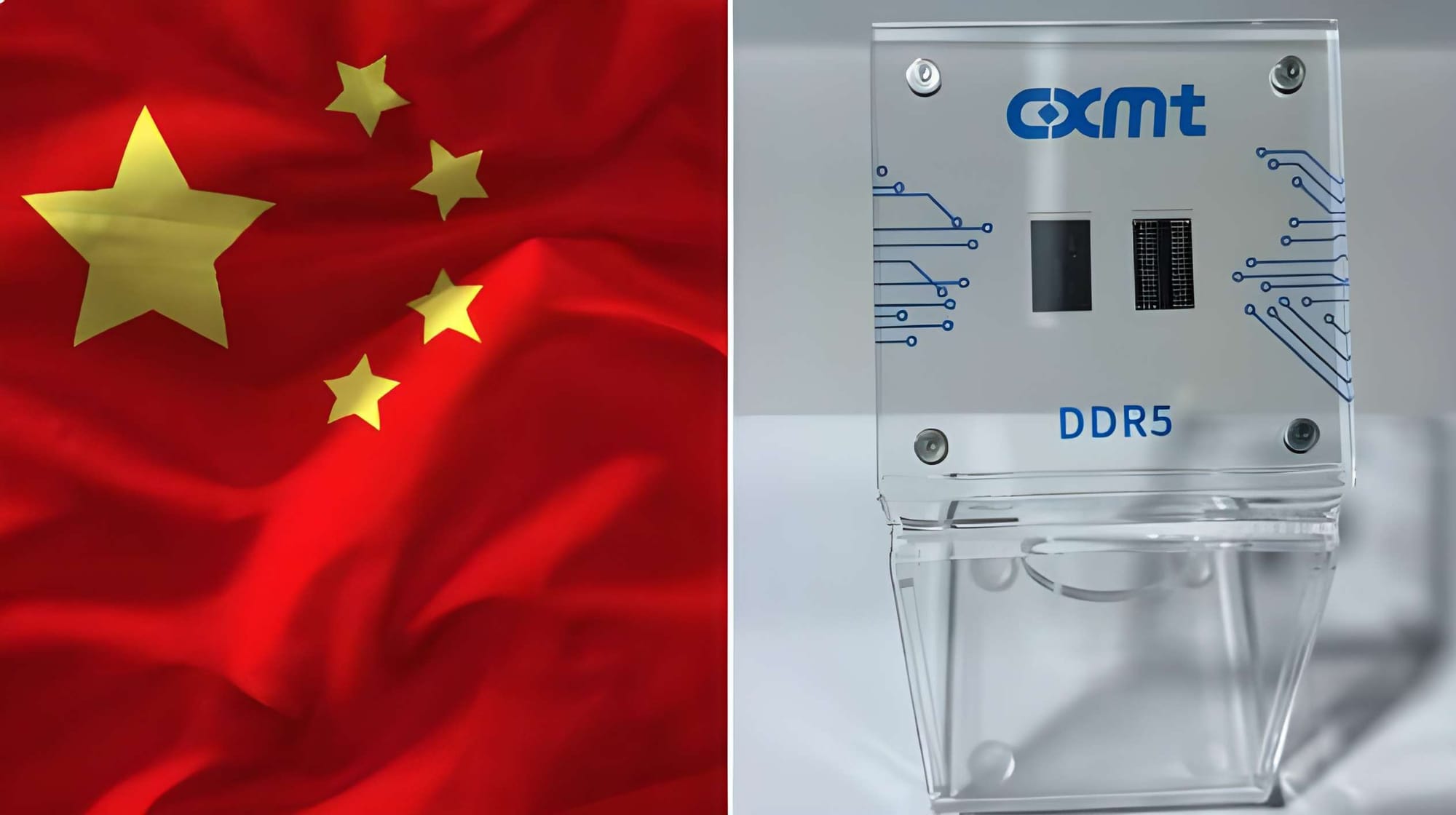
Follow last week's market rumor (see our post), CXMT has been thrust into the global spotlight by the race for memory chips. Apple has begun testing the company’s DRam chips for devices sold in China, according to two people familiar with the matter, as the iPhone maker leads a lobbying effort among US tech companies to get the US government to allow broader use of the company’s products (the Financial Times).
Will Apple use CXMT's chips for devices sold in China?
The interest in CXMT marks a sharp turnaround for a company that spent nearly a decade burning through billions of dollars but has now become central to Beijing’s efforts to build a domestic AI supply chain — and is poised to become one of the most profitable technology companies to be listed on China’s domestic stock market.
The memory shortage has transformed CXMT’s finances. Its net profit soared to Rmb33bn ($4.8bn) in the first quarter of this year, according to its IPO prospectus — a striking reversal from the Rmb37bn ($5.4bn) in losses it has accumulated over the past decade.
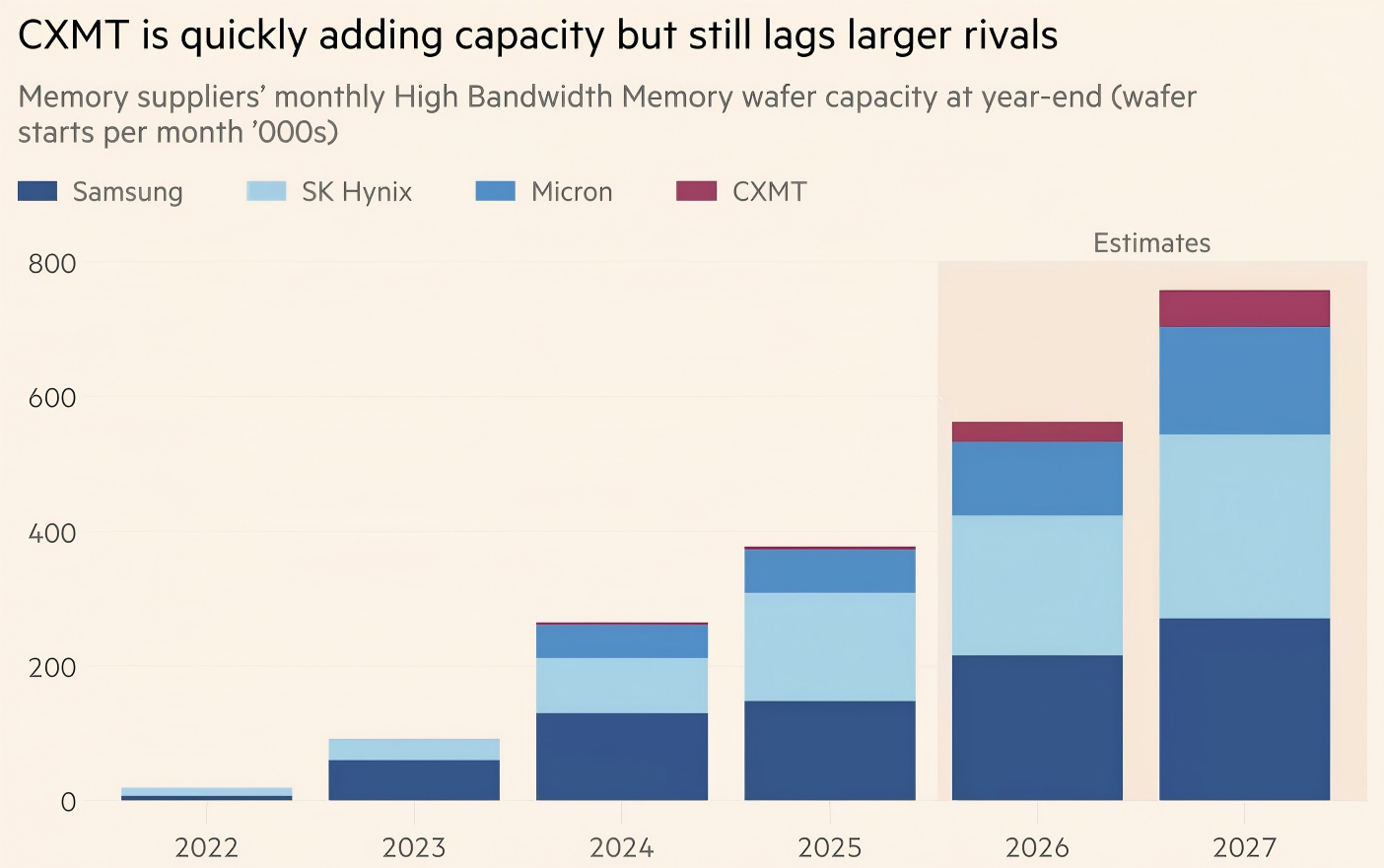
CXMT is now the world’s fourth-largest producer of DRam — the chips used in everything from smartphones to servers — behind SK Hynix, Samsung Electronics and Micron.
For US tech groups competing over a finite global supply of DRam wafers, the prospect of a fourth global supplier in China is appealing but politically sensitive. Apple has previously faced public pushback from US policymakers when it last explored using Chinese memory suppliers, including then Republican senator Marco Rubio, who flagged security risks in 2022.
Despite CXMT’s rapid growth and plans to increase production, analysts say additional Chinese supply is unlikely to ease memory chip prices soon, as virtually all of its output is already committed and demand continues to grow.
“There’s a misconception that Chinese memory is dramatically cheaper and will flood the market,” said Ray Wang, memory analyst at SemiAnalysis. “Capacity is extremely constrained. Even as CXMT expands, it will remain supply constrained for at least the next two years.”
Over the longer term, however, competitors fear a repeat of the pattern seen in Chinese industries from solar panels to electric vehicles: years of state-backed investment followed by rapid capacity expansion and falling prices that squeeze foreign rivals.
Source: https://wccftech.com/cxmt-developing-high-density-dram-without-euv-might-make-apple-interested/;
https://www.ft.com/content/f4ac5c92-03be-4499-b16a-017a7e9ee228?syn-25a6b1a6=1