TL;DR — September 11–14, 2026
- Sept. 11: Saudi Arabia’s East-West pipeline was knocked offline, threatening a route carrying about 4mn bpd to Yanbu; stocks there may cover only 5–7 days if flows do not resume.
- Sept. 13: Shipping risks widened as a vessel was hit in the Strait of Hormuz, while Houthi advances around Perim Island raised concerns over Bab el-Mandeb.
- Sept. 13–14: Oman postponed planned Iran–Gulf talks on Hormuz, and oil opened higher Monday, with Brent around $107.5/bbl and WTI around $102.3/bbl.
Will Brent crude trade above $110 before the end of September 2026?
–
Saudi Pipeline Outage Adds to Supply Fears
Saudi Arabia’s East-West oil pipeline remained shut through the weekend after drone strikes hit the system on Friday, adding another constraint to a market already dealing with reduced flows through the Strait of Hormuz.
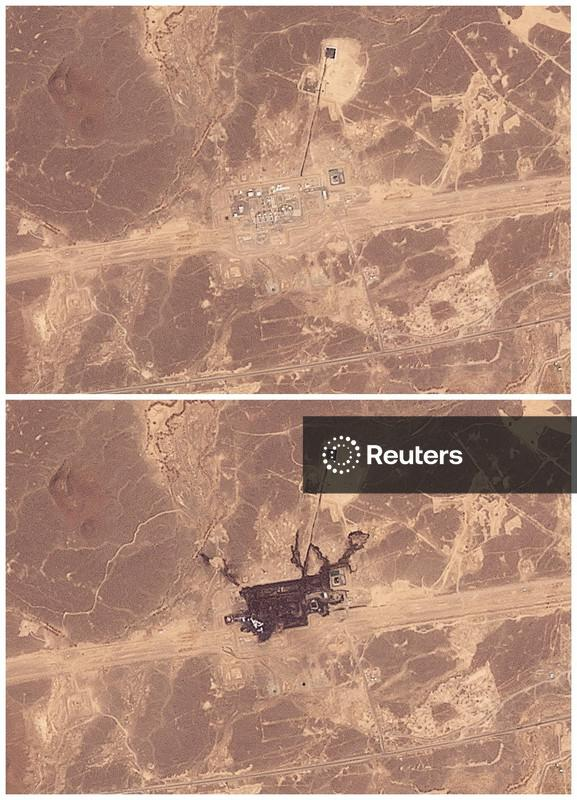
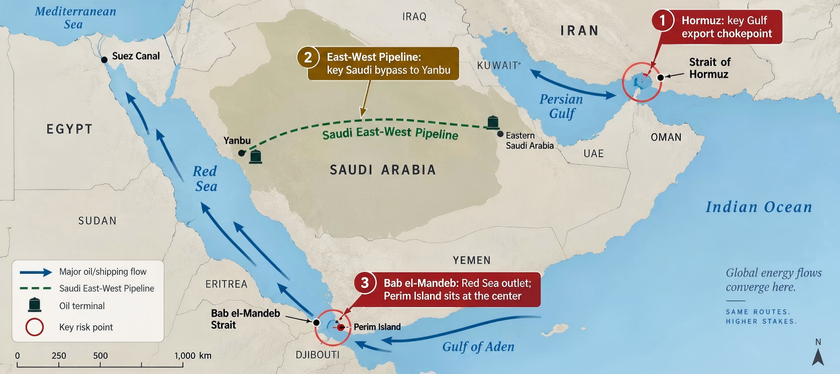
The 1,200-kilometer pipeline has become a key bypass route during the war, moving around 4 million barrels a day west to the Red Sea port of Yanbu — roughly 4% of global oil supply.
Saudi buyers and traders estimate Yanbu has enough stored oil to sustain exports for only five to seven days if the pipeline remains offline. Saudi Arabia has not disclosed the full extent of the damage, while repair estimates range from a partial restart relatively soon to as long as five to six weeks.
That makes the outage more than an infrastructure problem: it weakens one of the region’s main alternatives to Hormuz just as supply routes are becoming less reliable.
–
Risks Rise Across the Strait of Hormuz and Bab el-Mandeb
Shipping risks also intensified over the weekend.
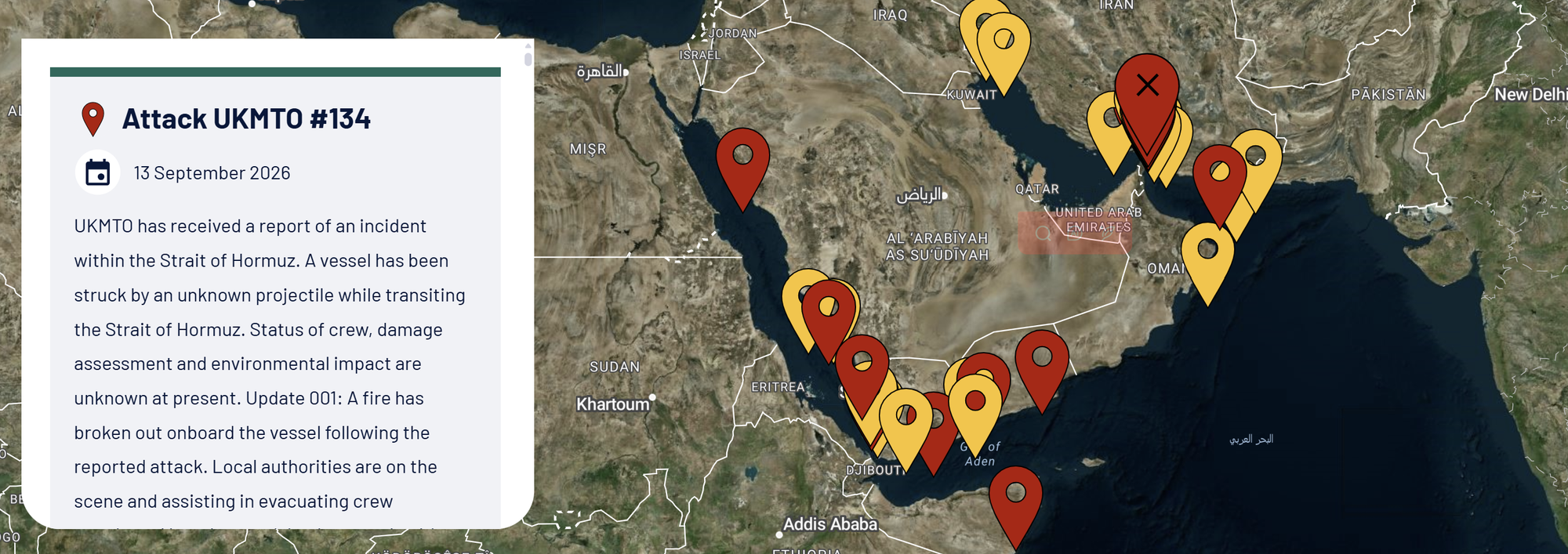
On Sunday, a vessel transiting the Strait of Hormuz was struck by a projectile, causing a fire and forcing the crew to evacuate. Iran separately said an Iranian commercial vessel was hit off its coast, killing one person and injuring four crew members.
Further west, Yemen’s Houthis advanced to Perim Island, which sits in the Bab el-Mandeb Strait at the entrance to the Red Sea. The route has recently carried around 4–5% of global oil supply.
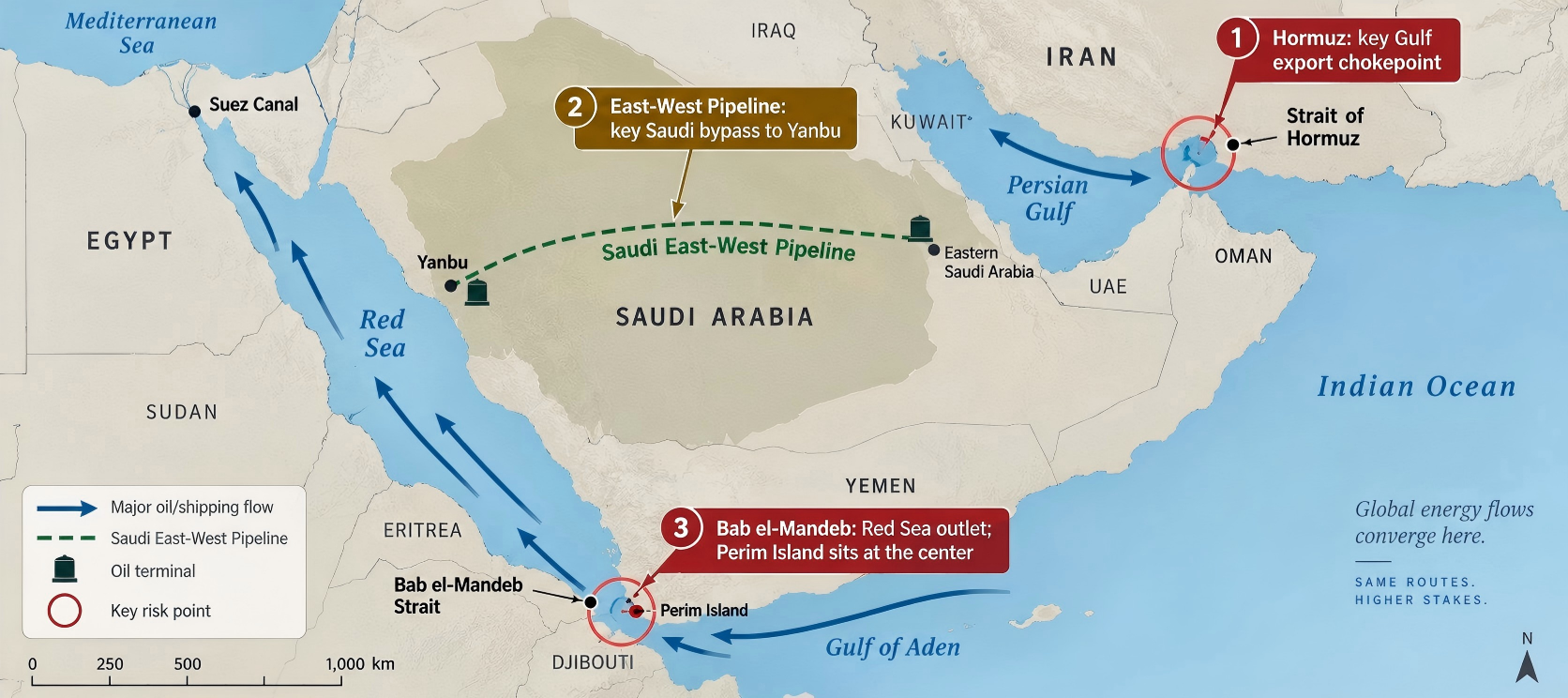
The geography is increasingly important: Hormuz remains under pressure, Saudi Arabia’s main overland bypass is disrupted, and risks are now rising around another major energy chokepoint.
–
Oman Talks Slip as Oil Opens Higher
Diplomatic hopes also weakened late Sunday after Oman postponed a planned meeting between Iran and Gulf Arab states on future shipping arrangements through Hormuz.
Iran has maintained that it will not reopen the strait until the United States meets Tehran’s demands, limiting expectations for a near-term breakthrough.
By Monday’s open, the market was pricing three overlapping risks:
- Saudi Arabia’s main Hormuz bypass remained offline
- shipping risks had widened toward Bab el-Mandeb
- the clearest near-term diplomatic channel had been delayed
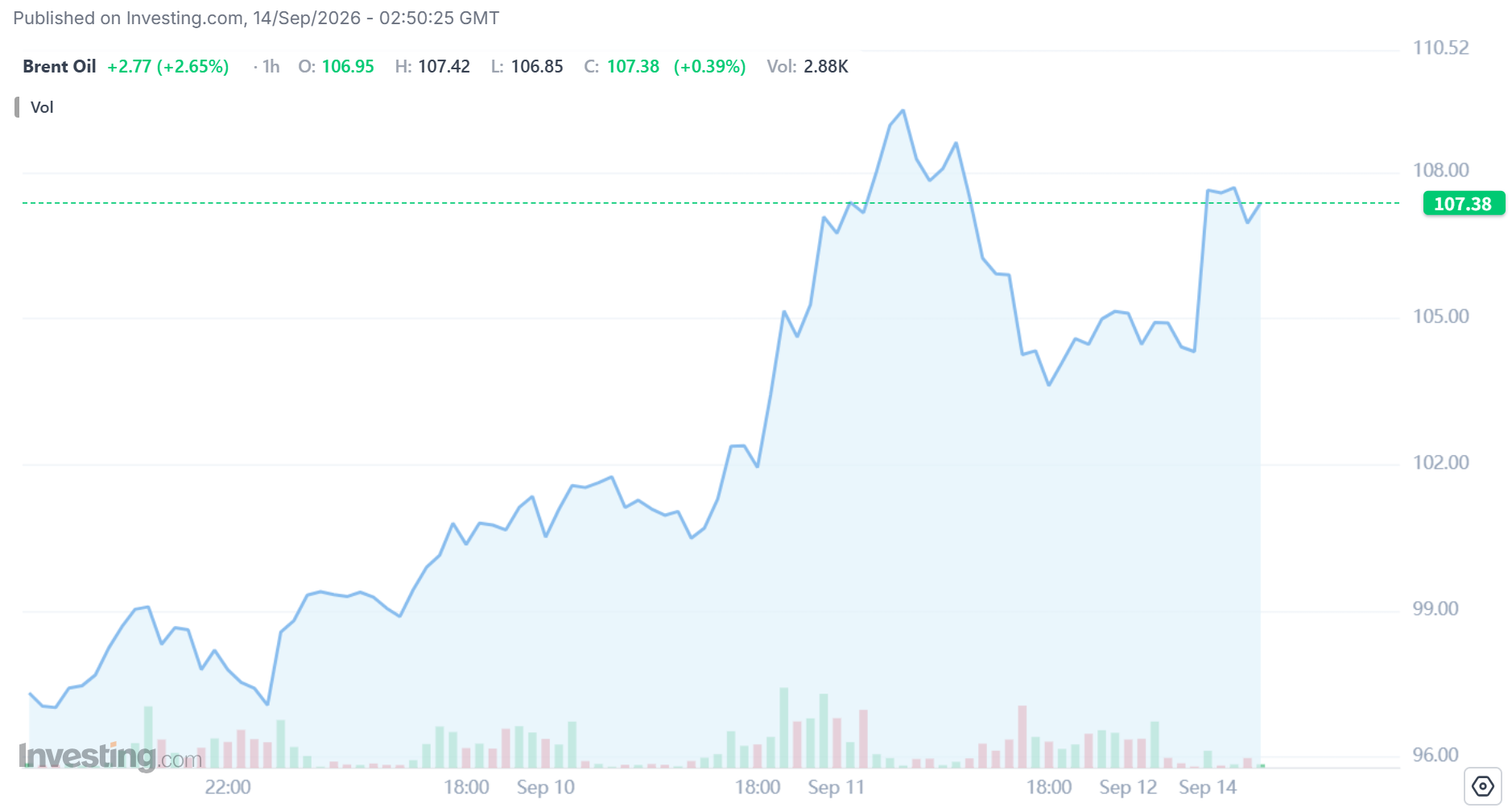
Brent rose to $107.51 a barrel and WTI to $102.32, after both initially gained more than 3%. Crude had already climbed around 8% the previous week, moving back above $100 for the first time since July.
–
Source:
- Reuters - https://www.reuters.com/business/energy/saudi-pipeline-outage-threatens-loss-4-global-oil-supply-2026-09-13;
- Reuters - https://www.reuters.com/business/energy/diplomacy-stumbles-with-postponement-meeting-strait-hormuz-proposal-2026-09-13;
- Reuters - https://www.reuters.com/business/energy/new-report-attack-strait-hormuz-shipping-fans-fears-threats-oil-supplies-2026-09-13.