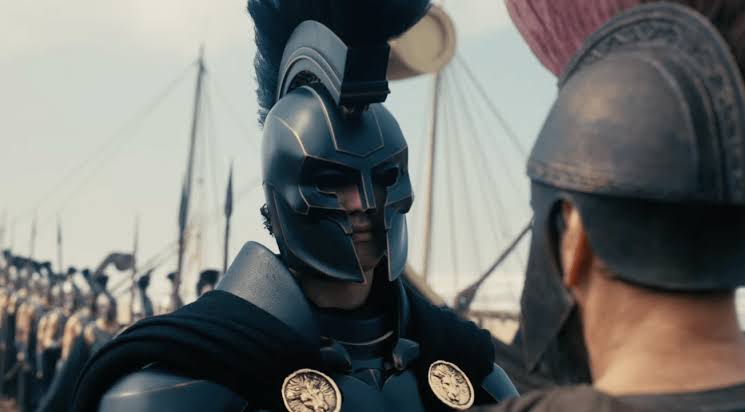
So, Christopher Nolan's The Odyssey is in theaters, and I've already seen it twice. The visuals? Stunning. The scale? Epic. But here's the thing — I walked out of the theater both times with this nagging feeling that I wanted “more”. Not more explosions or sea monsters, but more context. More history. More of the voices that didn't make it to the screen.
If you're in the same boat, here are six books that scratch that itch. They're not just "books like the movie" , they're books that help you understand what you just watched, and why we're still telling this story nearly 3,000 years later.
For the History Buff
The Trojan War: A New History by Barry Strauss
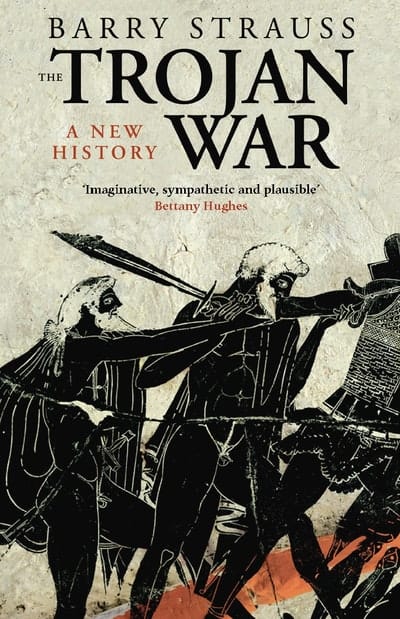
Did the Trojan War actually happen? Was Helen a real person? Did the wooden horse even exist? Strauss, a Cornell historian, digs into the archaeological evidence and compares it with Homer's text. He's not trying to "debunk" the epic — he's trying to figure out what might have really happened. It reads less like a textbook and more like a detective story.
In a review for Booklist, critic Gilbert Taylor wrote that Strauss's depiction of the war combines "caution with a stretch of historical imagination," resulting in a conflict "shorn of the Iliad's heroizing but restored with historically plausible causes, chronologies, and conclusions."

The Mighty Dead: Why Homer Matters by Adam Nicolson
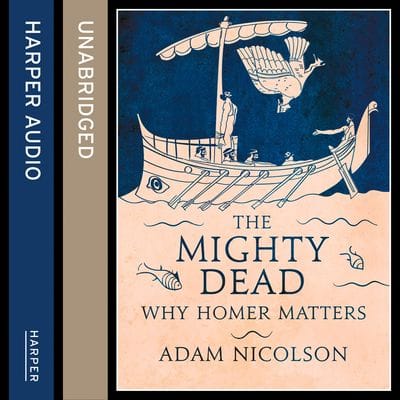
This one gets personal. Nicolson traces the Odyssey back to its roots — he travels to the sites where the poem might have been composed, examines ancient pottery fragments with verses scratched onto them, and asks a pretty big question: how does a poem survive for millennia, and why does it still feel alive?
The Guardian described Nicolson's writing as "exhilarating" . The New York Times Book Review praised it as "highly accessible" and noted that his "globe-trotting passion for his subject is contagious". It's the kind of book that makes you want to reread the Odyssey with fresh eyes.
For the "What About the Women?" Reader
Circe by Madeline Miller
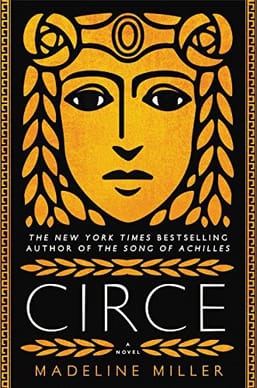
In the Odyssey, Circe is a minor character — the witch who keeps Odysseus on her island for a year. In Miller's hands, she becomes the protagonist of her own epic. It's the story of a goddess who's never quite powerful enough, never quite human enough, navigating a world of gods, monsters, and men who keep trying to control her.
Circe was a #1 New York Times bestseller and was named one of the Best Books of the Year by NPR, The Washington Post, People, Time, Amazon, and the Guardian. It was shortlisted for the 2019 Women's Prize for Fiction and won the Indies Choice Best Adult Fiction Award.
The Penelopiad by Margaret Atwood
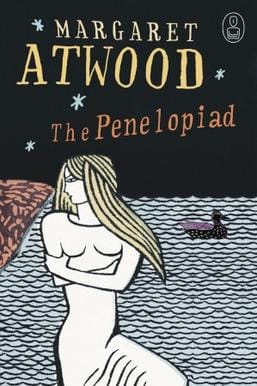
You know Penelope. She waited. She wove. She stayed faithful. Atwood hands her the microphone. In this slim novel, Penelope narrates her own story from the underworld — what it was really like to manage 108 suitors, raise a son alone, and keep a kingdom running while her husband was off having adventures.
This was published as part of the launch of the Canongate Myth Series in 2005, where contemporary authors rewrite ancient myths. The series included Karen Armstrong's A History of Myth and was released simultaneously by 33 publishers worldwide.
For the "How Does This Connect to Now?" Reader
Cold Mountain by Charles Frazier
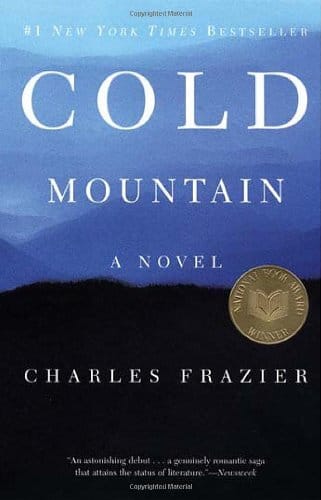
Take the Odyssey, move it to the American Civil War, and make Odysseus a wounded Confederate soldier trying to walk home to his beloved. That's Cold Mountain. It's not a "retelling" in the strict sense — but the parallels are everywhere: the journey, the obstacles, the sense that home is something you carry with you rather than a place you arrive at.
It won the National Book Award for Fiction in 1997. It stood at the top of the New York Times bestseller list for sixty-one weeks and went on to sell over three million copies. It was also adapted into an Oscar-winning film. More importantly, it proves that the Odyssey isn't just an ancient story — it's a blueprint for stories we're still telling today.
Ulysses by James Joyce
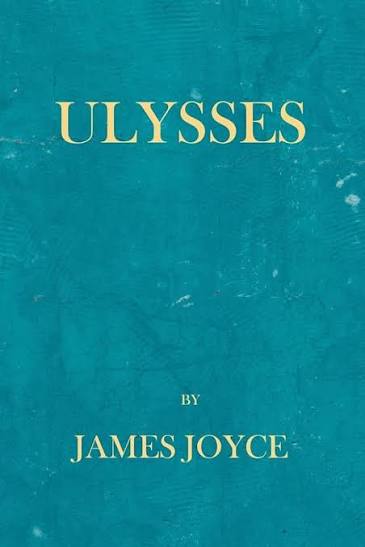
This book is famously "difficult." But here's the thing: Joyce compressed Odysseus's ten-year journey into a single day in Dublin, and he made his protagonist an ordinary advertising salesman. Once you get past the reputation, it's surprisingly funny, surprisingly tender, and surprisingly human.
It's considered one of the greatest novels ever written. In a ranking compiled from 609 "best of" lists by The Greatest Books, Ulysses clinched the second position among all-time classic novels. It also ranks #1 on the Modern Library's list of the 100 best novels of the 20th century. It has its own global holiday (Bloomsday, celebrated on June 16). And reading it is like playing a game of spot-the-reference — except the game makes you notice how deeply the Odyssey is woven into the fabric of modern life.
The Odyssey has survived for thousands of years because it keeps changing shape. Maybe that's the real reason we're still reading it — not because the story stayed the same, but because we keep finding ourselves in it.