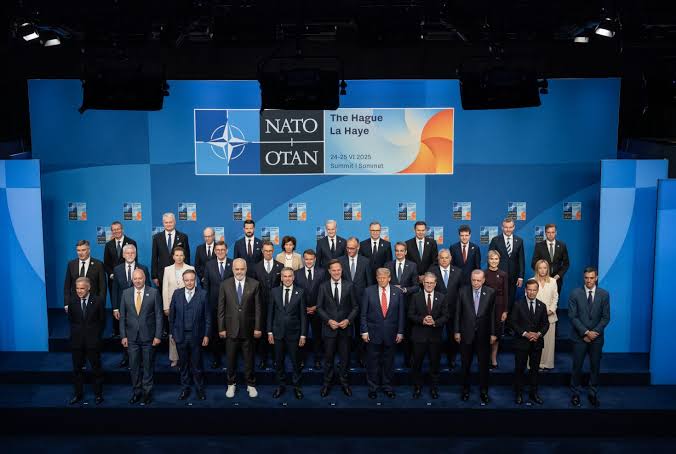
The latest NATO summit ended with familiar headlines: higher defense spending, stronger commitments to collective security, continued support for Ukraine, and new initiatives on defense production and military technology. NATO leaders emphasized that the alliance is moving from setting spending targets to delivering concrete capabilities, including expanded defense industrial cooperation and investments in drones, logistics, and critical infrastructure.
But the summit's significance is not defined by the final communiqué. More important is whether the NATO is entering a fundamentally different phase. That Western security can more influenced by long-term economic, industrial and political adjustments rather than direct military crises.
What will be the biggest challenge for NATO over the next decade?
From Burden Sharing to Burden Building
For years, NATO debates focused on burden sharing: how much each member should spend on defense. This conversation is evolving.
The challenge is no longer simply reaching spending targets. It is whether member states can translate higher budgets into usable military capabilities. At the summit, leaders highlighted expanding defense production, accelerating procurement, improving logistics, and strengthening Europe's industrial base alongside commitments to continued support for Ukraine.
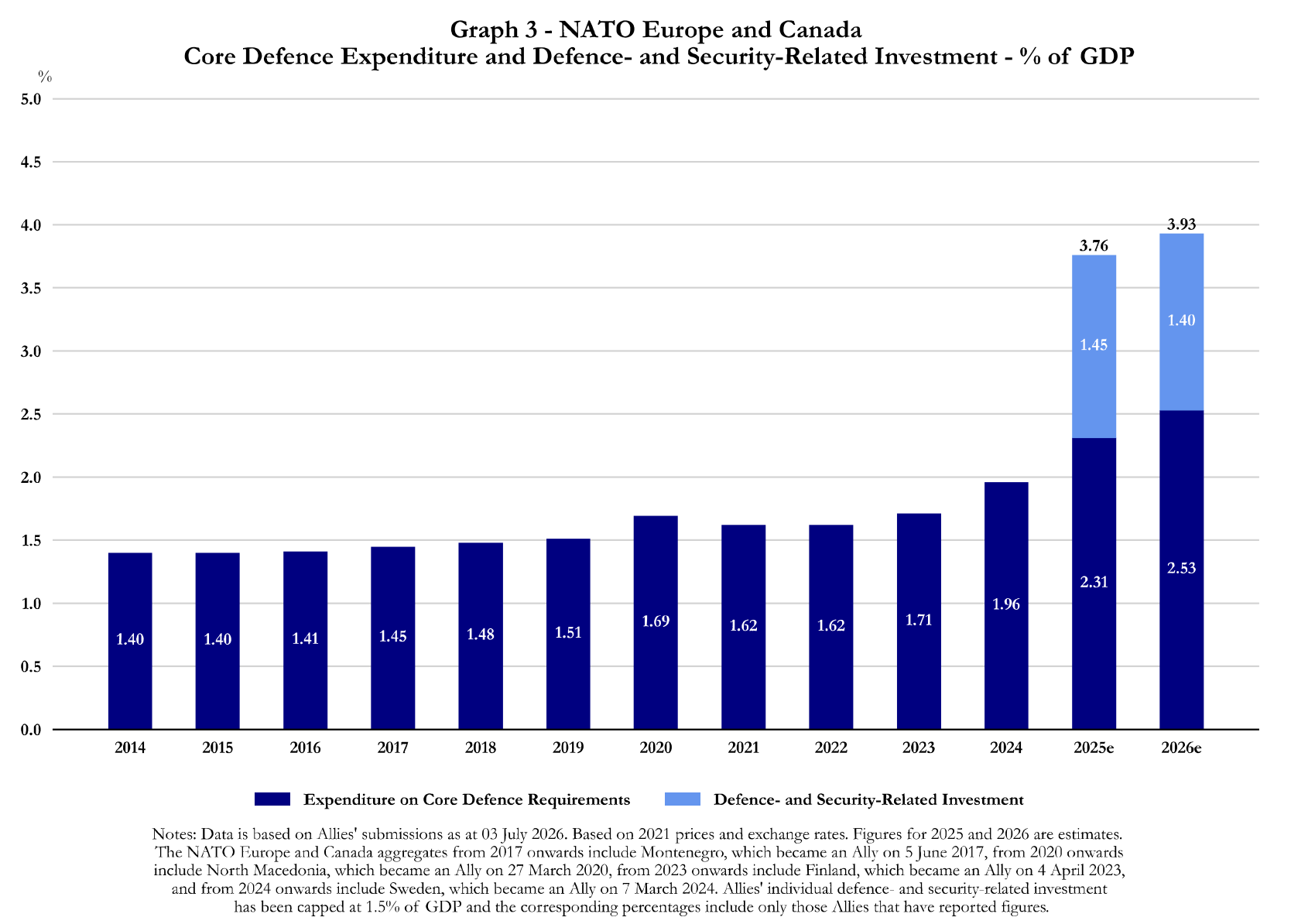
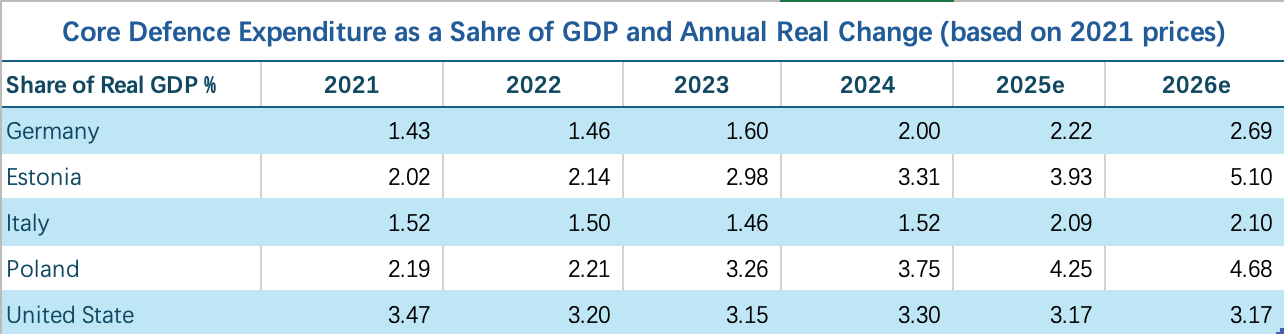
This distinction matters because defense spending is only one input. Modern military readiness also depends on manufacturing capacity, supply chains, workforce skills, energy infrastructure, and the ability to replenish equipment during prolonged conflicts.
In other words, NATO's next challenge is more about building industrial resilience rather than allocating money.
Europe Is Taking Greater Responsibility—But Unevenly
Another noticeable shift is Europe's growing role within the alliance.
The U.S. has continued encouraging European allies to assume a larger share of regional security responsibilities, while many European governments have responded by increasing defense budgets and expanding domestic defense industries.
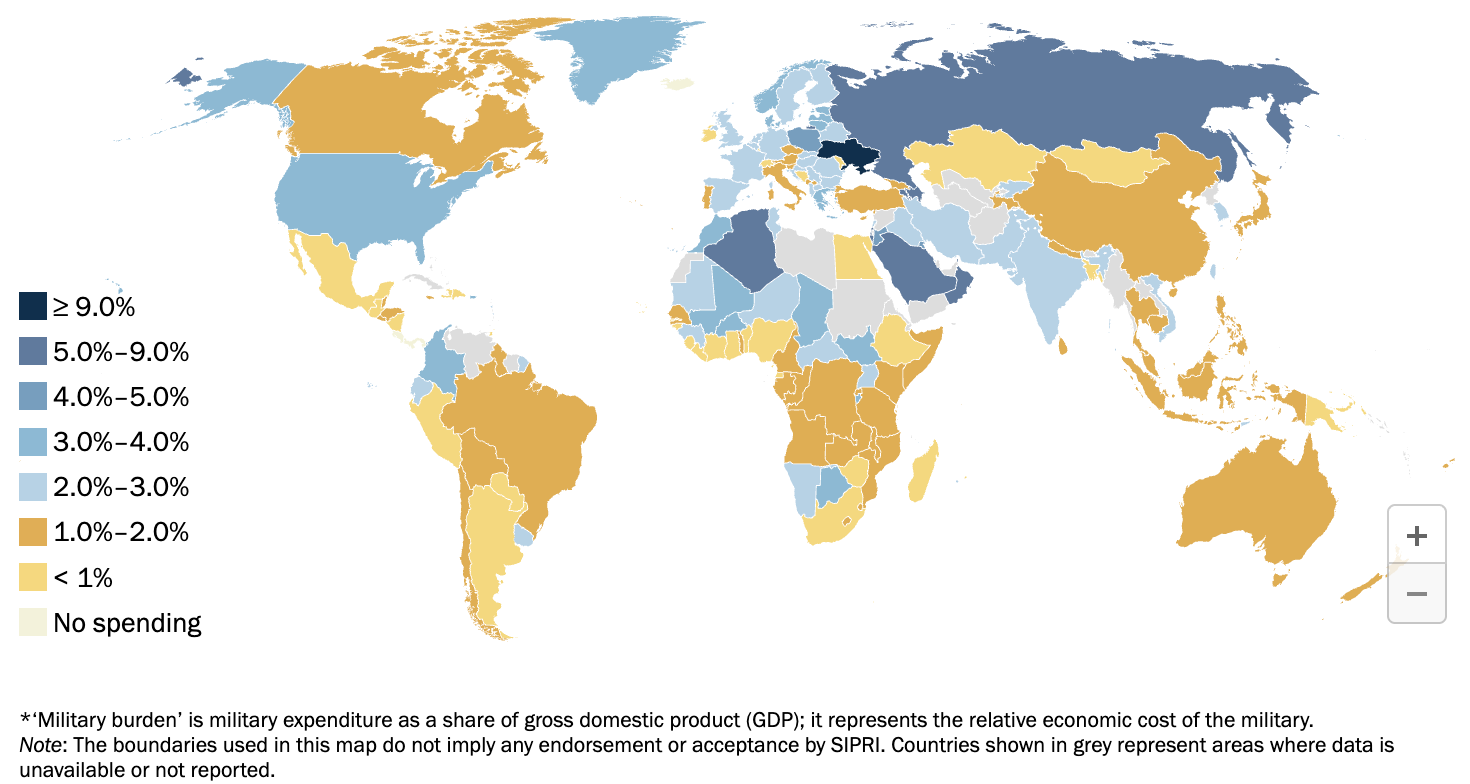
Yet the pace of adjustment remains uneven.
Countries closer to NATO's eastern flank generally view military investment as an urgent security necessity. Others are facing more fiscal trade offs. They have to balance the defense commitments against aging populations, public services, and slower economic growth. Reuters reported that while Germany and several Eastern European allies have significantly expanded defense budgets, larger economies including the UK, France, and Italy are facing greater difficulty sustaining higher military spending because of fiscal constraints.
This divergence does not necessarily threaten NATO's unity, but it does suggest that implementation may prove more challenging than political commitments.
Security Now Extends Beyond the Battlefield
One of the most significant changes is how NATO increasingly defines security itself.
The summit emphasized drones, AI-enabled capabilities, logistics, energy infrastructure, and defense supply chains alongside traditional military forces. The new procurement commitments and investment in unmanned systems illustrate that future deterrence will not only depends on the number of troops, but also rely on industrial capacity and technological innovation.
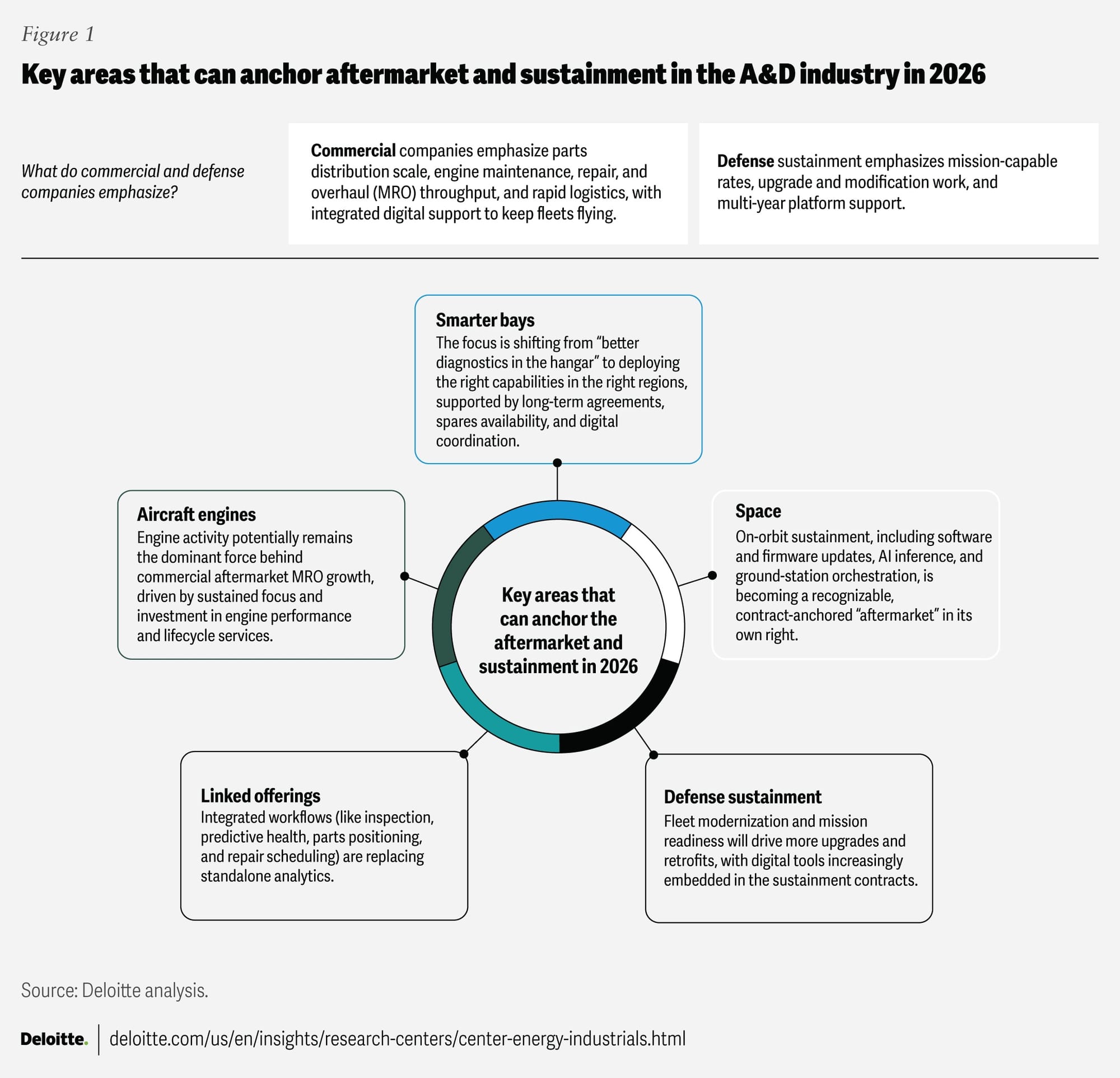
This reflects a broader strategic lesson drawn from recent conflicts.
Wars are no longer determined solely by battlefield performance. They are increasingly shaped by whether countries can sustain production, secure critical materials, protect digital infrastructure, and maintain resilient supply chains over extended periods.
As a result, economic capacity has become an increasingly important component of national security.
Alliance Unity Still Faces Political Tests
The summit also highlighted a reality that has become increasingly visible in recent years: NATO's military commitments continue to coexist with political differences among members.
Discussions around defense spending, the future balance of responsibilities between the U.S. and European allies, and broader strategic priorities reflected ongoing debates within the alliance. Although European members have increased defense investment, there are still doubts over how responsibilities should be shared across the alliance.
At the same time, these differences did not prevent NATO members from reaffirming their core security commitments. In the Ankara Summit Declaration, leaders reiterated their commitment to collective defense under Article 5 and emphasized that alliance unity and solidarity remain central to NATO's security framework.
The broader challenge for NATO is therefore not eliminating political disagreements, but maintaining strategic alignment while members pursue different national priorities.
The Broader Strategic Challenge for NATO
The Ankara summit was not a single announcement, it is more about accelerating a broader transition already underway.
NATO is increasingly expanding its focus beyond traditional deterrence to include industrial capacity, technological competitiveness, and long-term economic resilience. The alliance's recent commitments have placed greater emphasis on defense production, innovation, and the ability to sustain capabilities over time.
Whether this strategy succeeds will depend not only on defense spending, but also on whether member states can translate political commitments into stronger industrial capacity, faster procurement, and deeper cooperation.
The next phase of Western security may therefore be shaped not simply by military strength, but by the economic and industrial foundations that make long-term deterrence possible.
What will impact most on Western security over the next two years?
Source:
- Defence investment and NATO’s 5% commitment, June 29, 2026 https://www.nato.int/en/what-we-do/introduction-to-nato/defence-expenditures-and-natos-5-commitment
- The Ankara Summit Declaration, Jul 8, 2026 https://www.ncia.nato.int/newsroom/news/the-ankara-summit-declaration
- PRESS RELFASE COMMLINIOUÉ NE DDECS, 2026 https://www.nato.int/content/dam/nato/webready/documents/finance/def-exp-2026-en.pdf
- NATO defence push already strains Europe's budgets, July 7, 2026 https://www.reuters.com/world/europe/nato-defence-push-already-strains-europes-budgets-2026-07-06/
- Global defence spending continues to grow amid geopolitical uncertainty, Feb 24, 2026 https://www.iiss.org/online-analysis/military-balance/2026/02/global-defence-spending-continues-to-grow-amid-geopolitical-uncertainty/
- 2026 Aerospace and Defense Industry Outlook, Nov 13,2025 https://www.deloitte.com/us/en/insights/industry/aerospace-defense/aerospace-and-defense-industry-outlook.html