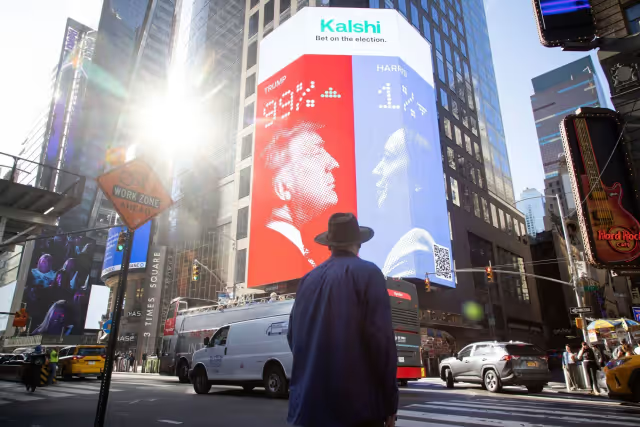
The Spanish government is moving to block Polymarket and Kalshi, saying the two prediction-market platforms might be breaking the law by operating in the country without a gambling license.
The ministry in charge of consumer affairs said it had issued an order to block Polymarket and Kalshi’s websites as a precautionary measure as officials look into possible violations of gambling laws, proceedings that are expected to stretch between three and four months.
Spain’s directorate for gambling regulation said prediction platforms carried gambling risks when these allow users to place wagers on uncertain outcomes, and companies seeking to provide those services need a specific administrative license.
A Polymarket spokesperson said the company was committed to engaging constructively with authorities in all jurisdictions and that it welcomed the opportunity to collaborate with Spain on a path forward “that supports responsible innovation, transparency, and user protection in prediction markets.” Kalshi didn’t respond to a request for comment.
Polymarket and Kalshi—which allow users to bet on everything from geopolitical events to stock market moves—have made headlines in recent months after a batch of suspicious trades raised concerns of insider trading in Washington.
In April, federal authorities charged a U.S. Army soldier who took part in the operation to capture Nicolas Maduro with using classified information to reap more than $400,000 from bets on the former Venezuelan leader’s ouster.
Last week, James Comer, the Republican chair of the House Oversight Committee, sent letters to Polymarket Chief Executive Officer Shayne Coplan and Kalshi Chief Executive Officer Tarek Mansour requesting documents and information to assess how the platforms verify users’ identities, enforce geographic restrictions and monitor suspicious trading activity.
Polymarket has a data partnership with Dow Jones, the publisher of Dow Jones Newswires and The Wall Street Journal.
Indonesia Polymarket Blocked in Indonesia Over Online Gambling Ban access to Polymarket, labeling the prediction-market a form of online gambling soon after a bet on the possible early end of President Prabowo Subianto’s tenure circulated widely on social media.
The government will also track social media accounts promoting the platform, the Communications and Digital Ministry said in a statement Friday. The ministry said platforms facilitating wagers on specific event outcomes remain classified as gambling, even when packaged as “prediction markets.”
“The government will not allow any form of online gambling in Indonesia,” the ministry said in its statement.
The wager was launched May 21, the day after Prabowo announced plans to tighten government control of the country’s major commodities exports. That plan, which caught investors, traders and even some of his own officials by surprise, resurfaced concerns over the credibility and transparency of policymaking under the former general.
Polymarket didn’t respond to emailed request for comment.
🚨 NEW POLYMARKET: Prabowo Subianto out as President of Indonesia by...?https://t.co/mqy9I4mmnq
— Polymarket (@Polymarket) May 21, 2026
Prediction markets from Polymarket and Kalshi Inc. have become irritants to governments and regulators as they’ve boomed in popularity, both for crossing lines related to gambling as well as amplifying politically sensitive issues.
In India, for instance, they’ve continued to sign up customers despite regulator warnings that they’re illegal. Singapore and Brazil have banned them, while Taiwan, Thailand, China and Japan have implemented access limitations.
While the US has no such restrictions, Polymarket has still attracted scrutiny. An Army special forces master sergeant last month was charged with using the platform to trade on classified information about the capture of Venezuelan president Nicolas Maduro, bets that authorities say netted $400,000.
The Prabowo wager, which Polymarket promoted on X, offered three dates for when he would be out as president — end of May, June or December. The wagers, with the end-December bet seeing the highest probability at 12%, had garnered more than $44,000 worth of trading volume, according to the website.
Prabowo’s term runs until October 2029.
Transactions linked to online gambling totaled about 286 trillion rupiah ($16 billion) last year, according to a Financial Transaction Reports and Analysis Center report, despite a national ban on gambling.
Since taking office in October 2024, Prabowo has intensified a crackdown on online betting, including blocking access to about 3.4 million websites and digital content deemed to facilitate betting activity, according to government data.
South Korea’s media regulator is reviewing whether Polymarket’s platform hosts illegal gambling content, in the latest sign of mounting regulatory pressure for one of the world’s largest prediction markets.
The Korea Communications Standards Commission, which oversees broadcast and online media, has opened a formal review into whether the service constitutes gambling or violates national law, a commission spokesperson told Bloomberg News on Friday.
The spokesperson did not elaborate on the details of the review or say when it would be concluded. The review was first reported by Bloomingbit on Thursday.
The move comes as South Korea prepares for local elections in June. Several contracts related to outcomes in those elections have appeared on Polymarket, where users bet on the outcome of events using cryptocurrency.
South Korea enforces strict anti-gambling laws, limiting activity to state-authorized channels such as horse racing and sports betting. Prediction market operators including Polymarket and rival Kalshi have maintained that their platforms do not fall under gambling laws because odds are determined by market participants buying and selling contracts rather than by a centralized “house.”
Polymarket has faced increasing scrutiny amid global expansion, with the platform blocked or restricted in several countries. The company is currently seeking approval to operate in Japan and recently appointed a representative there to lead lobbying efforts, Bloomberg News reported on Friday.
Polymarket has appointed a representative in Japan and is preparing to lobby for the authorization of prediction markets in the country, according to people familiar with the matter.
The global prediction market platform is aiming for government approval in Japan by 2030, the people said, asking not to be named as the plans aren’t public. Polymarket sees Japan as a large untapped business opportunity, they said.
Mike Eidlin is leading Polymarket’s Japan efforts, according to the people. Eidlin has been working as head of Japan at crypto firm Jupiter, according to his LinkedIn profile. He declined to comment on whether he is working with Polymarket.
Polymarket declined to comment on its activities in Japan. A representative for Japan’s justice ministry declined to comment on whether it has been in contact with Polymarket.
Polymarket enables users to bet on the outcomes of real-world events, such as elections, using cryptocurrencies. The company has thus far steered clear of promoting its services in Japan due to the country’s strict gambling restrictions.
The New York-headquartered firm currently blocks Japan-based users from placing bets on its website and app due to “regulatory requirements,” according to its geographic restrictions list.
Its Japan push comes as the company is under increasing pressure to expand its user base amid legal scrutiny in the US and rising competition from Kalshi Inc. and other rivals. Polymarket’s monthly notional trading volume on its offshore exchange and US app totaled $10.3 billion in April, a 9% decline from the month before.
Gambling has long occupied a legal gray area in Japan, with the nation’s Penal Code stating that habitual gambling is subject to punishment of up to three years in jail, while those running gambling businesses can be incarcerated for as long as five years. There are some regulated exceptions, including government-authorized horse racing and the public lottery.
A justice ministry representative declined to comment on the legality of prediction markets in Japan, adding that individual cases will be examined in light of the Penal Code.
Regarding its outlook for the Japanese market, a Polymarket spokesperson said it has seen “meaningful organic interest from users” in the country and across Asia. “We’re always evaluating opportunities to expand access globally in compliant and locally appropriate ways,” the spokesperson said.
Polymarket’s Japanese X account has more than 53,000 followers. The company plans to grow its presence in Japan by sharing news on social media while waiting for government approval, according to the people familiar with its plans.
While Japan heavily restricts cash gambling, it is home to the pachinko industry, in which users can win prizes from arcade-style pinball machines and other games. Pachinko operators do not offer cash payouts but players can convert prizes into real-money winnings at separate shops, thus skirting the gambling ban. Japan’s pachinko and slot machine market was worth around ¥16 trillion ($100 billion) as of 2024, according to data from the Japan Productivity Center.
Japan strengthened regulations against online gambling in 2025, prohibiting the domestic establishment and operation of online casinos. Nevertheless, the country is set to open its first casino resort, MGM Osaka, in 2030 after years of delays. The resort will operate under tight restrictions, including limits on floor space and steep entrance fees to discourage addiction.
The top US securities regulator is delaying the launch of a wave of novel exchange-traded funds that would let investors wager on events such as elections and economic data as the agency weighs how far the $15 trillion ETF wrapper can stretch.
Securities and Exchange Commission Chairman Paul Atkins said Wednesday that he has instructed staff to seek SEC: Statement on Novel Exchange-Traded Funds (ETFs)on proposed products that raise new regulatory questions. He noted that fund sponsors have agreed to delay several ETFs tied to prediction market contracts while the commission deliberates.
“Novel products raise novel questions, and I appreciate the willingness fund sponsors have shown in delaying the effectiveness of a number of novel ETFs, including event contract ETFs, while we consider the implications,” he wrote in a statement.
Polymarket and Kalshi, the two dominant prediction markets, offer financial contracts that allow users to place yes-or-no bets on the outcomes of various events, including sports, elections and pop culture.
Both platforms still require dedicated accounts and specialized on-ramps, limiting their reach. An ETF wrapper would drop political event contracts into standard brokerage accounts.
Earlier this year, Roundhill Investments submitted paperwork for six funds that would have their value tied to event contracts on presidential, Senate and House races. GraniteShares submitted similar offerings while Bitwise Investments proposed a broader slate under the PredictionShares brand. Beyond politics, Bitwise’s filings included products tied to macroeconomic outcomes, including contracts on whether the US will enter a recession in 2026 and whether layoffs in 2026 will be higher or lower than in 2025.
The ETF industry has steadily absorbed strategies once considered too exotic for a fund wrapper — from volatility futures to spot Bitcoin. Prediction market ETFs are the latest frontier.
The new delay is notable given how accommodating Atkins has been toward digital innovation since taking the SEC’s helm. His commission dropped a raft of crypto enforcement actions, greenlit a slew of crypto ETFs and signaled broad openness to blockchain-based financial products.
The SEC didn’t give a timeline for the public comment process.
“The SEC is obviously not fully comfortable with these filings — or at least not comfortable with opening Pandora’s box to all of what predictions markets offer,” said James Seyffart, ETF analyst at Bloomberg Intelligence. “I suspect they will be looking for a way to draw a line.”
Polymarket and Kalshi Inc. have been allowing customers in India to sign up and trade on their prediction markets even after the country’s technology ministry warned that the platforms are illegal.
India’s Ministry of Electronics and Information Technology said in a letter last month that users are accessing “illegal and blocked prediction market and online betting platforms,” despite “domestic prohibitions.” The advisory, posted on the ministry’s website, pointed specifically to “Polymarket and a few other similar sites,” which it said are supposed to be cut off by internet providers.
The letter, which was dated April 25, was addressed to providers of virtual private networks, which the ministry said were being used to circumvent restrictions. The agency told the providers that they would have “exposure to consequential legal action” if they allowed access to the venues. A new Indian law meant to curb online gambling countrywide went into effect on May 1.
A Kalshi spokesperson said it had no comment on the technology ministry’s advisory, or the volume of trading it receives from India.
Kalshi’s legal counsel, Valeria Vouterakou, said the company has been in communication with the Indian government and has not been told to shut down. In the meantime, it is taking new customers. Like Kalshi’s US-based customers, they are required to go through identity checks before trading on the platform.
“We will comply with the government’s requests should they make them,” Vouterakou said.
Polymarket does not include India on its list of restricted countries. A spokesperson for the company said it is “committed to complying with applicable laws and regulations across all jurisdictions in which it operates. We maintain geoblocking measures to restrict access in jurisdictions where our services are not permitted, and we continuously evaluate and update those measures.”
The technology ministry did not respond to multiple requests for comment.
Cricket Wagers
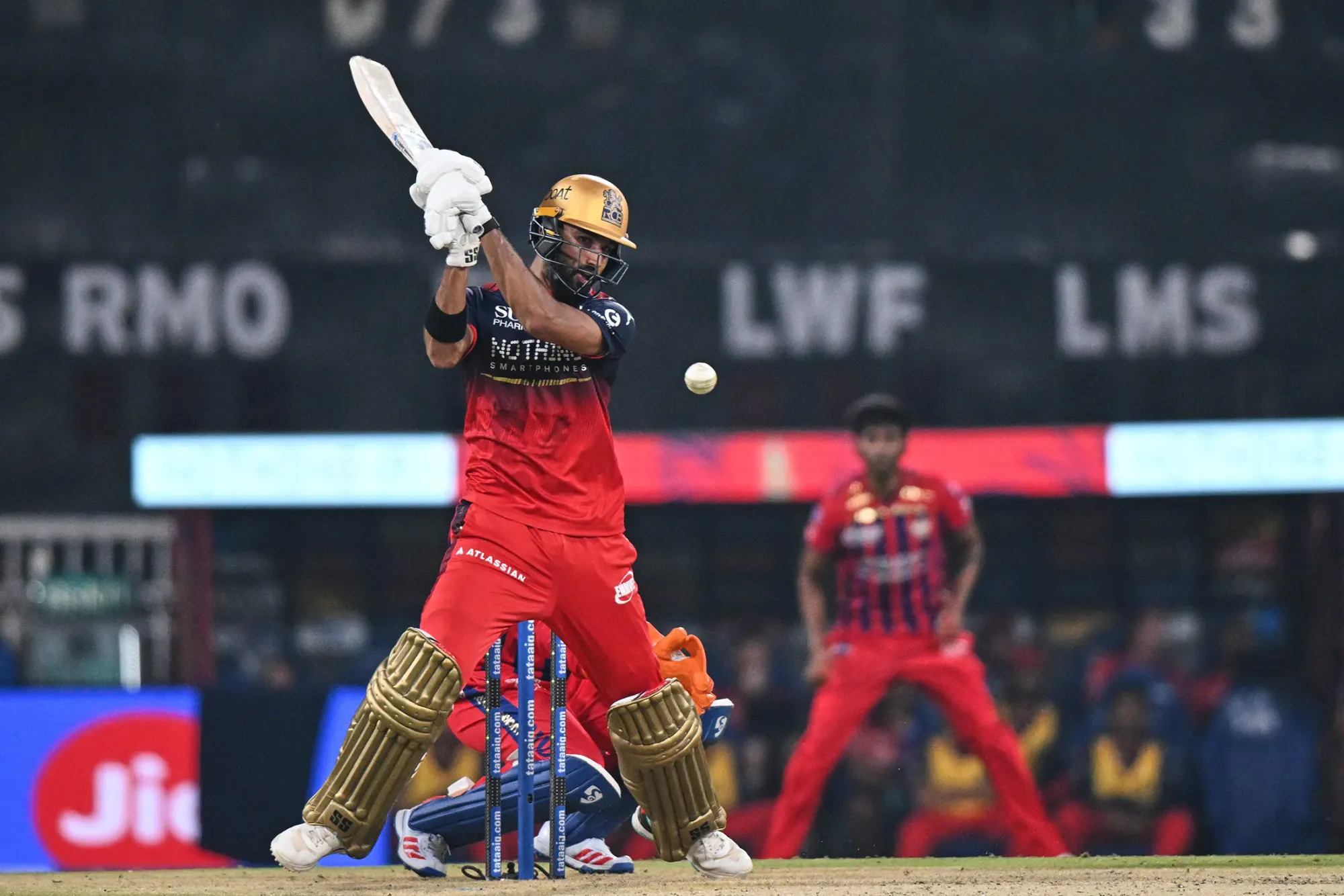
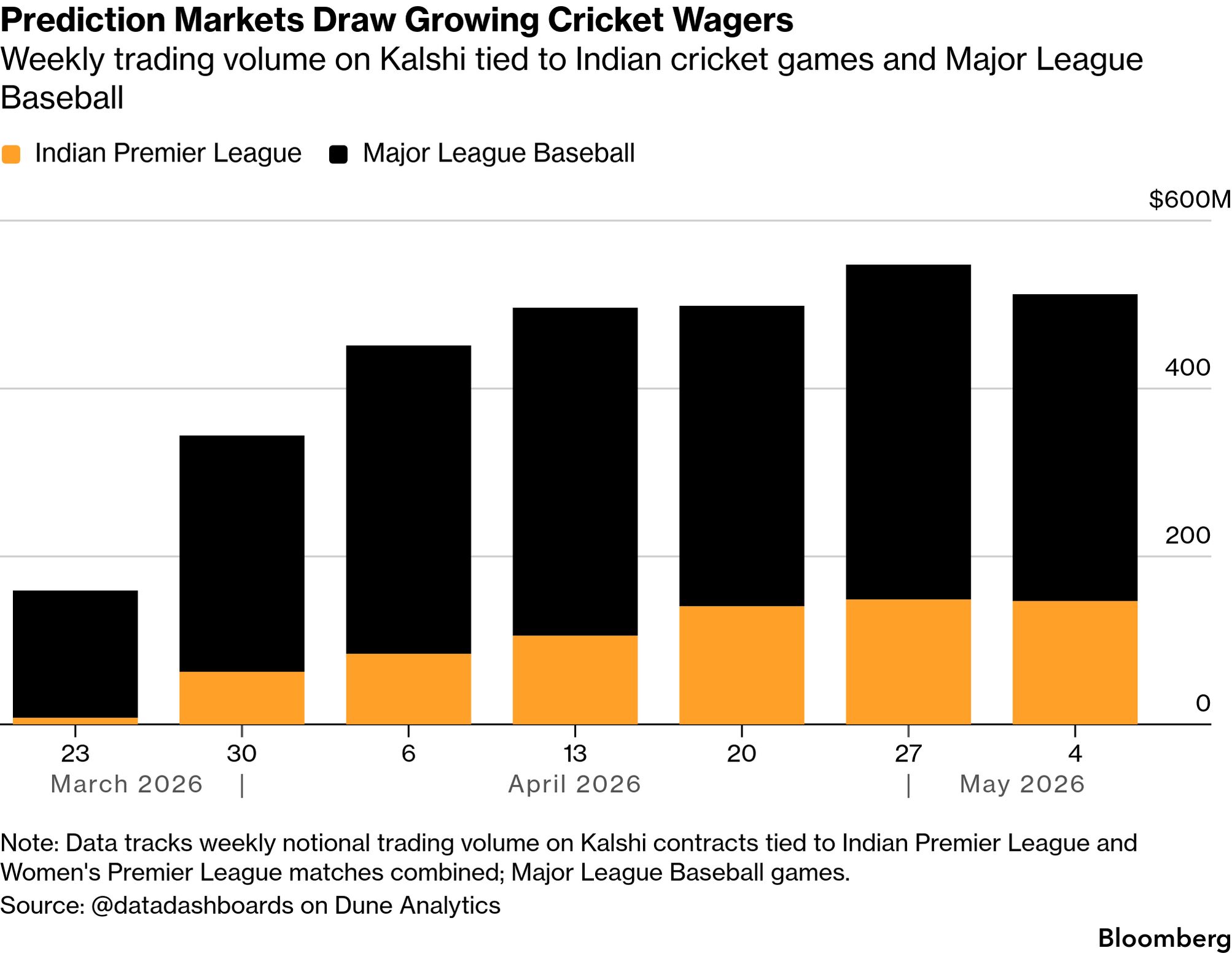
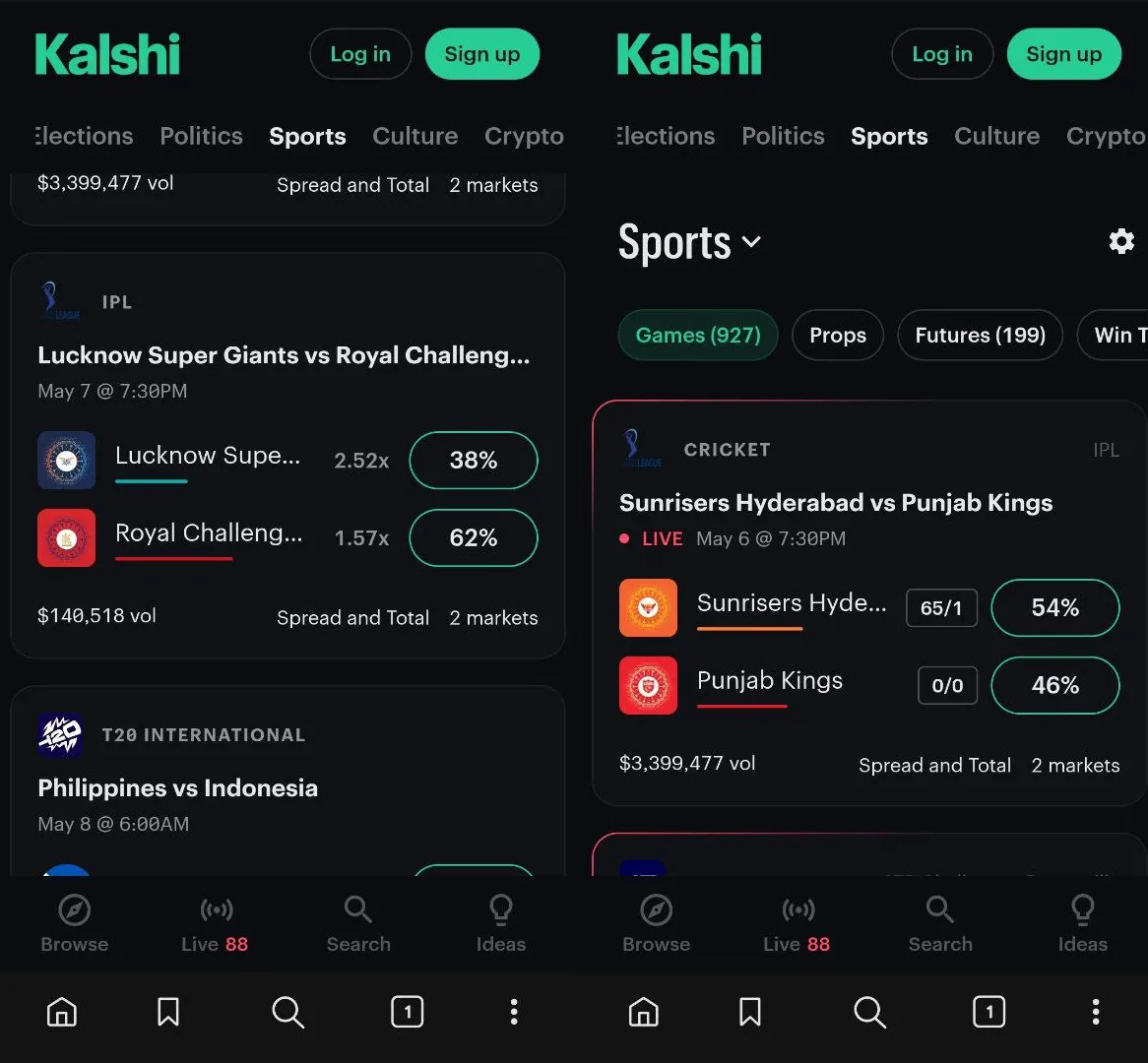
Kalshi has drawn significant wagers on Indian Premier League matches since the current season began in March, approaching half the trading volume on US baseball games on some weeks — though the data does not indicate how much of this comes from inside India. A May 7 match between Lucknow Super Giants and Royal Challengers Bengaluru attracted $27.7 million in trading on Kalshi and Polymarket.
Kalshi and Polymarket have recently emphasized their adherence with US laws as they push to go mainstream. At the same time, the ongoing business in India underscores the willingness of these startups to push the boundaries of local laws as they race to expand around the globe and draw customers to this new form of online betting.
After raising funding last year, Kalshi said it had expanded from its home base in the US to 140 countries around the world, including India. There is, though, little legal clarity in many jurisdictions on the status of event contracts — the financial instruments that allow traders to place yes-or-no bets on the outcome of various events, including sports, elections and geopolitical conflict.
Brazil Ban
Access to Kalshi in Brazil was blocked by the government last month soon after the company announced its launch in the country. In the US, Kalshi and Polymarket have offered their services nationwide, in the face of state regulators who have alleged that they are violating state gambling laws.
The Commodity Futures Trading Commission has supported the platforms in their court battles with states and said that event contracts should be regulated in the US as financial derivatives at the federal level. The CFTC declined to comment when asked about Kalshi’s overseas operations.
Some regulatory experts said that the situation in India is more black and white because of a new national law that was passed last August and went into effect on May 1 — known as the Promotion and Regulation of Online Gaming Rules — that put a broad ban on what it referred to as “online money games.”
“Polymarket, Kalshi and other prediction markets would obviously fall under online money games under PROGA, and therefore there is a blanket ban,” said Jay Sayta, a Mumbai-based technology and gaming lawyer.
Sayta said most domestic platforms stopped operating soon after parliament passed the law last year. Banks and financial institutions were uncomfortable with the financial liability of dealing with them, he said. One local platform that described itself as offering “opinion trading” now has a message on its website that says: “In light of PROGA, Probo is closed for business.”
Kalshi and Polymarket both take deposits in dollar-denominated stablecoins that move on blockchain-based financial rails. The technology ministry said it was concerned about the use of stablecoin payments to enable illegal trading.
“This raises serious concerns relating to unlawful online betting, circumvention of regulatory frameworks, potential financial risks, and threats to public order and economic integrity,” the ministry said in its advisory.
Previous Warnings
Even before the new law went into effect, Indian regulators had issued warnings about the legality of prediction market platforms. The Securities and Exchange Board of India publicly cautioned investors last year that the products on “opinion trading” platforms offered “no investor protection mechanism” and were not overseen by the agency.
“SEBI has clearly stated that it does not recognize these products and has issued warnings about them,” said Rahil Chatterjee, principal associate at Ikigai Law’s government affairs and public policy practice. “That effectively leaves platforms with limited regulatory cover. In some cases, this may simply reflect an enforcement gap rather than a clear legal gray area.”
Polymarket is in a distinct legal situation because it operates entirely on a cryptocurrency-based network and does not perform any identity checks on its customers. The company blocks customers coming from US-based internet addresses, but US customers have said they circumvent those rules by using virtual privacy networks.
At least some Indian internet providers are blocking access to Polymarket’s website. But on the company’s official Discord chat room, users have swapped tips in recent months on how to get around the country’s block on its website by changing their DNS server to a generic Cloudflare service, obfuscating their true location.
Lawmakers around the world have expressed concern about prediction markets bringing online betting to new audiences. Recent research has indicated that most traders on the platforms lose money. In announcing the implementation of the new law this month, the Indian government said that online gambling platforms “have raised serious concerns due to reports of addiction, financial losses, money laundering and even suicides.”
One of the ways to analyze the Andy Burnham PM market is to ask a question: how much probability is left after each institutional gate?
Right now, Polymarket prices Burnham at 57% to be the next UK prime minister in 2026, with “No Next PM in 2026” at 12% and roughly $7.3 million traded on the market.
The same market ecosystem prices Burnham at only 60% to become an MP by June 30, while the Labour leadership candidate market prices Burnham at 70% to be officially confirmed as a candidate in the next Labour leadership election.
That could be the mispricing as the final-outcome market is almost as high as the first-gate market.
Burnham needs to return to Parliament before his leadership path becomes viable, as per the Labour Party rule book, then the market is implicitly saying:
$$P(\text{Burnham PM in 2026} \mid \text{Burnham becomes MP by June 30})
\approx \frac{0.57}{0.60} = 95\%$$
In other words, if Burnham becomes an MP by June 30 (which is equivalent to saying that he wins the Makerfield by-election on June 18), he is almost inevitable. That is an aggressive forecast because the remaining gates are not trivial. He still has to pass Labour’s MP nomination threshold and beat rival candidates.
In my opinion, the proper setup should look like this (correct me if I am wrong):
$$
\begin{aligned}
P(\text{Burnham PM in 2026})
&= P(\text{wins Makerfield}) \\
&\times P(\text{Starmer exits or the leadership contest opens}) \\
&\times P(\text{Burnham gets support from 81 MPs}) \\
&\times P(\text{Burnham wins the leadership contest})
\end{aligned}
$$
Polymarket’s 57% price leaves almost no discount for the multiplication.
By the same token, Kalshi gives the same aggressive pricing. Burnham’s final outcome is traded at 64%, while the first gate, Labour winning Makerfield, is traded at only 66%. That gives:
In plain English, if Burnham is Labour’s candidate, Kalshi is almost pricing “Labour wins Makerfield” and “Burnham becomes prime minister” as the same event.
The first gate is not safe either
The most important factual input right now is the Makerfield by-election. The Guardian reports that Burnham is likely to be confirmed as Labour’s candidate, but his own allies describe the race as perilous. Reform UK won more than 50% of the local-election vote in the area, polling suggests Burnham is only marginally ahead, and one ally estimated his chance of winning at only about 45%, “maybe a bit more than that”.
That is completely inconsistent with a final PM price of 57% unless traders believe Makerfield is either understated at 60%, or that Burnham has alternative routes if Makerfield fails.
The second explanation is weak. If Burnham loses the by-election, he is not merely delayed. His entire political thesis suffers. The story would shift from “Burnham is the only Labour figure who can beat Reform” to “Burnham could not beat Reform in the seat created for his return”. The final PM market should collapse in that scenario.
Andy Burnham was seen campaigning in Ashton-in-Makerfield alongside Labour’s deputy leader, Lucy Powell. (Image Credit: Ioannis Alexopoulos/LNP)
The second gate in the parliament
The Labour Party rule book says candidates must be MPs and must be nominated by 20% of Labour MPs. Reuters puts the current MP-nomination hurdle at 81 Labour MPs, based on Labour holding 403 seats. It also reported that Starmer has not yet resigned, that a contest has not yet been triggered, and that Labour’s system requires MPs to coalesce around specific candidates rather than merely express no confidence.
That matters to the market. Burnham does not just need public momentum. He needs parliamentary machinery. Firstly, Starmer has to resign or face a formal leadership challenge within a timetable that leaves enough room for Burnham to run. Secondly, securing nominations from enough MPs is not automatic for someone returning from outside Westminster. Furthermore, he must win the Labour leadership contest against insider candidates such as Streeting, Rayner, Cooper, Miliband.
Andy Burnham may not be personally familiar to many current Labour MPs, since he left Westminster in 2017 to become Mayor of Greater Manchester. (Image Credit: Ryan Jenkinson/Getty Images)
At current market prices, it seems that MP status converts almost automatically into premiership for Burnham. The implied conditional probability is around 95%, which is absurdly high for a multi-stage parliamentary leadership process.
Disclaimer: The content is for informational purposes only. You should not construe any such information or other material as legal, tax, investment, financial, or other advice. Nothing contained in this article constitutes a solicitation, recommendation, endorsement, or offer by the author(s) or any third party service provider to buy or sell any securities or other financial instruments in your or in any other jurisdiction in which such solicitation or offer would be unlawful under the securities laws of such jurisdiction. The author(s) report(s) no conflict of interest.
All eyes are on Nvidia, the world's most valuable company and artificial intelligence trade darling, as it is set to report fiscal first-quarter earnings on Wednesday after the closing bell.
On its conference call, traders on prediction markets platform Kalshi think the company might talk about President Donald Trump after CEO Jensen Huang joined him on his trip to China.
Trump has 50-50 odds of being mentioned on the call, with the chances rising recently. The president wasn't mentioned on the company's last earnings call in February. Huang joined Trump for his summit in Beijing with Chinese President Xi Jinping.
Huang's presence on the trip came as the status of Nvidia's H200 chip sales in China remains uncertain.
Trump told reporters last week that the chip model didn't come up in discussions with China, but Reuters reported that the U.S. government gave approval to several Chinese firms to purchase the model. China, though, hasn't allowed firms to purchase the chip, Trump claimed to reporters.
In January, Trump cleared the way for Chinese purchases of the chip model. That came with a 25% tariff on imports for chips that will be sent to China. There's a 57% chance the company mentions tariffs on its call on Wednesday.
But after the trip to China, traders place just an 11% chance that Nvidia mentions Taiwan. After the U.S.-China summit, neither country revealed if Trump or Xi discussed Taiwan, which is home to critical chip manufacturers. Traders now only place 15% odds that the company discusses Taiwan Semiconductor Company, down from previously a 78% chance.
And there's a 55% chance the company will discuss humanoid robots. In his keynote address at the CES Trade Show in January, Huang said he expects to see robots with some human-level capabilities this year. This would be a new feature of the Nvidia calls as that topic didn't come up in the company's February earnings call.
Prediction market traders think President Donald Trump will make some major announcements in his trip to meet with Chinese President Xi Jinping in Beijing.
Traders on Kalshi give an 86% chance that he will announce China will buy aircraft from domestic manufacturer Boeing.
That belief is shared with Wall Street, as Boeing's stock advanced nearly 2% on Wednesday ahead of the meeting.
"The speculation is that Trump wants this to be the largest order ever announced, which could mean a Boeing purchase commitment in the triple-digit billions," wrote Tobin Marcus, head of U.S. politics and policy at Wolfe Research, in a note. "Investors will need to await clarification from the company about how 'real' those numbers are and what specific airframes are included."
Traders are also placing more than 81% odds that Trump will announce an extension of the U.S.-China tariff truce. In their October deal, China agreed to pause export controls on rare earths while the U.S. cut tariffs on the country related to fentanyl to 10% from 20%.
Barclays predicted that tariff might move a few percentage points lower if China purchases aircraft, as well as American oil and soybeans. While Kalshi traders see a 79% chance a soybean purchase is announced, oil purchases have a much lower probability at just 24%.
Traders also think there's a 69% chance a U.S.-China Board of Trade is announced. This is a key goal of U.S. Trade Representative Jamieson Greer, Wolfe's Marcus noted. "We suspect that this will be done primarily through ongoing purchase commitments, with the Board of Trade eliciting a centralized answer from the CCP about what China will buy from the US to mitigate their bilateral trade surplus," he wrote.
Trump told reporters on Tuesday as he departed for the trip that while he expected to chat about the Iran war with Xi, he also said, "I don't think we need any help with Iran." Despite that, traders see a likelihood of 61% that he talks about Tehran during the bilateral meeting. They also give a 59% chance he talks about oil or gasoline.
However, traders think there's just a 54% chance he'll talk about artificial intelligence. Jefferies analyst Edison Lee in a Tuesday note predicted the topic will likely be of great interest, considering the background of executives expected to join Trump on his trip.
"In addition to discussions on US AI chip/WFE [wafer-fabrication-equipment] export restrictions, the presence of Micron's CEO and Meta's president could offer scope for the issues of China's ban on Micron's products in key Chinese infra and restrictions against Facebook to be part of the discussions," he wrote. "We also see these issues as part of the bargaining process in relation to US tech restrictions against China."
And while China-U.S. tensions are high these days, traders don't think that will stop a firm handshake. Traders think the most likely scenario is Trump and Xi will shake hands for about 8.5 seconds.
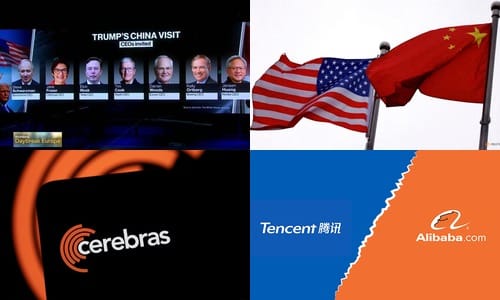
AI is pivoting toward a "transactional infrastructure" phase, where the focus has shifted from general AI hype to the specific mechanics of deployment and trade. In the semiconductor space, capital is aggressively chasing inference-specialized hardware to solve the high-latency bottlenecks currently stalling real-time AI applications. Meanwhile, the upcoming talks between the two superpowers are under the spotlight - What will be talked? What deals could be reached? What problems remain in limbo? All eyes on the development this week...
Another Hot Semiconductor Name to Be Listed…
As the second attempt to list, Cerebras Systems is focused on inference, the process by which AI systems respond to user queries, and has tied much of its growth to OpenAI, including a $20 billion multi-year deal under which the ChatGPT creator will deploy 750 megawatts of Cerebras chips (Reuters).
The company is considering a new IPO price range of $150-$160 a share, up from $115-$125 a share, and raising the number of shares marketed to 30 million from 28 million, said the sources, who asked not to be identified because the information isn't public yet. The increase follows a broader surge in AI adoption that has driven sharp demand for high-performance chips and turned semiconductors into a key bottleneck in the technology supply chain. Cerebras' IPO has drawn orders for more than 20 times the number of shares available, the people said, as the chipmaker looks to manage surging interest ahead of its May 13 pricing.
Two Superpowers Meet Again After Almost a Decade…
President Lee Jae Myung held rare back-to-back meetings with top US and Chinese economic officials in Seoul, as preparatory talks were being held ahead of a high-stakes US-China summit (Korea Herald).
Trump is expected to focus heavily on trade with the aim of securing what he can present as economic wins ahead of November’s midterm elections. Washington has pushed for China to increase purchases of American goods, including Boeing aircraft, beef and soya beans, while also seeking closer investment and trade cooperation (Al Jazeera).
Beijing, meanwhile, is expected to press the US to ease restrictions on advanced semiconductor exports and roll back measures limiting China’s access to critical chip-making technology. Taiwan is also likely to remain one of the most sensitive and contested issues in the summit.
What’s the Market Looking At?
On the IPO front, the market consensus is that Cerebras isn't an "Nvidia Killer" for training, but it is the first real threat in Fast Inference. The sentiment is that while Nvidia will continue to dominate 90%+ of the general market, Cerebras is "skimming the cream" by taking the highest-value, low-latency workloads (like real-time AI agents) from OpenAI.
On trade & technology, Jensen Huang’s surprise China trip could signal AI shift in US-China talks (New Fortune Times). The last-minute decision for Huang to join the trip has drawn global attention because his company, Nvidia, sits at the center of the global AI race. Market analysts said investors interpreted Huang’s attendance as a positive sign for future AI cooperation between the two countries.
Meanwhile, China tech giants Alibaba and Tencent both will disclose quarterly performance on May 13th. Will they beat or miss? What catalyst to look out for? How is AI integrated into their blueprint, and how’s the execution?
The “deals” over “diplomacy” - as a group of key figures across technology, industrials, basic materials, and finance joining the trip, the market could be eyeing a series of deals to be reached - but not to forget the prolonged trade tensions since 2025 Liberation Day.
Mark your calendars: Cerebras will go public on May 13, at what price will it close after debut? How will it influence semi-conductor landscape? What’s the keys to be discussed in the US-China meet-up and what will they come out with?
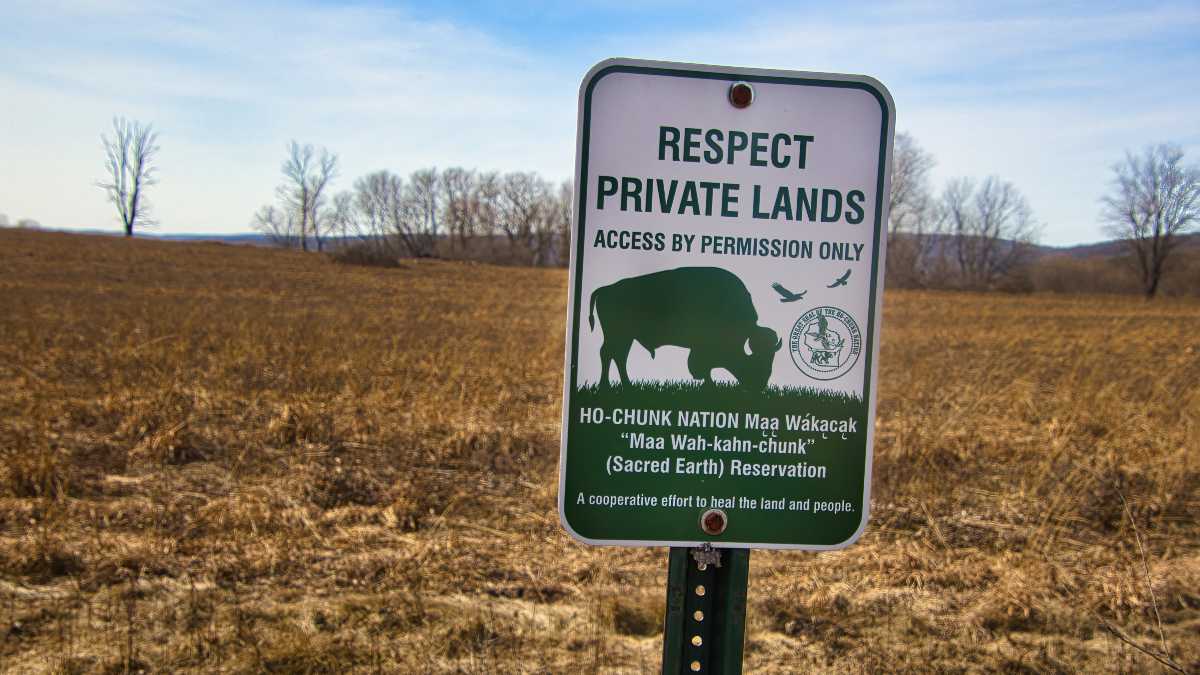
A tribal nation is likely to succeed in blocking Kalshi from offering sports contracts on its land, a federal judge said in what appears to be the first ruling of its kind against the prediction market operator.
The Ho-Chunk Nation, a federally recognized Native American tribe, can move ahead with its lawsuit accusing the company of violating the Indian Gaming Regulatory Act, or IGRA, and has shown “a likelihood of success” in its complaint, US District Judge William M. Conley in Madison, Wisconsin, wrote in a ruling Monday.
The dispute centers on whether sports-related event contracts are gaming that can be regulated by states’ laws and federal tribal law, or financial instruments that fall under federal oversight. In a fast-moving nationwide Kalshi Will Return to Ninth Circuit, This Time Against Arizona, Kalshi has had mixed results arguing that it should be overseen by the Commodity Futures Trading Commission rather than state officials.
Conley’s decision marks a rare victory for a Native American tribe pressing claims against Kalshi under IGRA. A similar showdown is pending at a federal appeals court in California, where several tribes Kalshi Prevails Against Tribal Court Ask to Bar Sports Trading to win an injunction they sought in a lower court.
Earlier this year, several tribes sought to support Tennessee’s efforts to regulate Kalshi but a judge rejected their request to file a friend-of-the-court brief. The company went on to win a preliminary injunction blocking enforcement by Tennessee officials.
In Wisconsin, Conley faulted Kalshi’s interpretation of the tribe’s IGRA-required Tribal-State compact with regulators as “without basis in the text, legislative history or common sense.” Kalshi’s reading of the compact would have only allowed tribal nations and states to sue each other, rather than third parties.
Still, Conley denied the Ho-Chunk Nation’s request for a preliminary injunction against Kalshi because the tribe did not show “irreparable harm” if the company continued operating its exchange on a tribal tract of about 17 square miles while the court fight plays out.
The judge also dismissed the Ho-Chunk Nation’s claim that Kalshi and Robinhood Markets Inc. engaged in criminal activities in violation of the Racketeer Influenced and Corrupt Organizations Act.
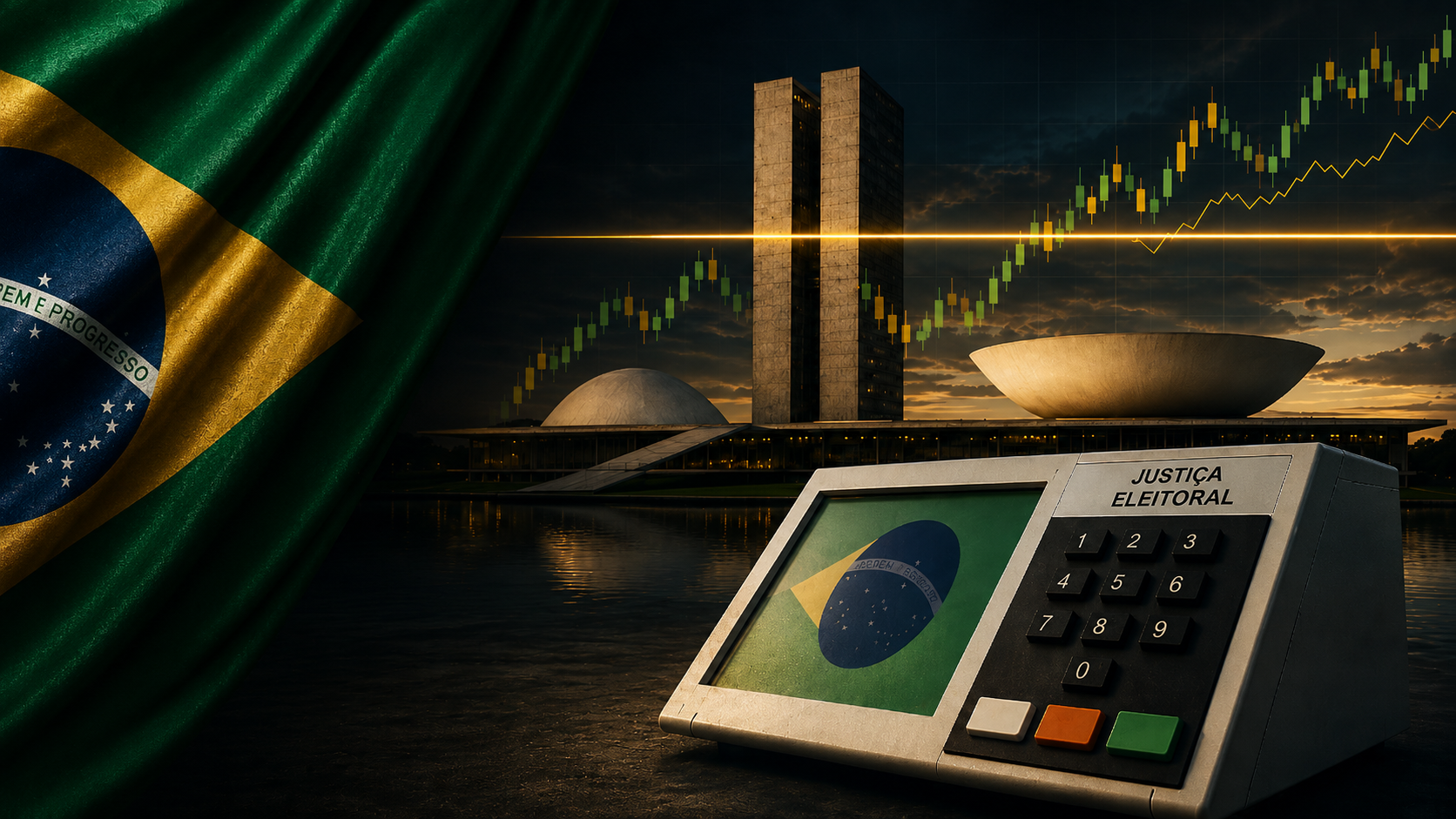
The cleanest trade in Brazil’s 2026 presidential election may not be about who wins. It may be about whether anyone can win outright in the first round.
That contract sounds simple: will any candidate win the presidency without a runoff? But beneath the simple wording is a technical trade. This is not just a bet on Lula, Flávio Bolsonaro, or the ideological temperature of Brazil. It is a bet on the mechanics of Brazil’s valid-vote threshold, the durability of minor candidates, and whether a polarized electorate can consolidate enough to push one candidate above 50%.
On Polymarket, the "Yes" side of the first-round outright-win contract has recently traded around the low double digits, roughly 9-13%. Kalshi’s comparable market has been richer, closer to the mid-teens.
Right now, I think the market is paying too much for that tail (especially on Kalshi).
My fair value is lower at around 7-8.5%.
That does not mean a first-round win is impossible. Lula is close enough in some polling scenarios that the event belongs in the distribution. But the current price still looks too generous. The market is treating Brazil like a two-candidate referendum. However, Brazil’s first round is more like a valid-vote denominator and consolidation problem.
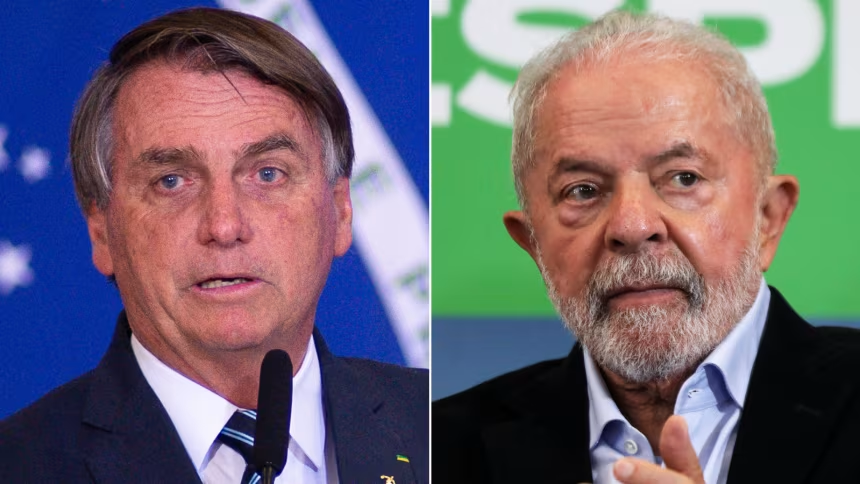
Jair Bolsonaro, pictured on the left, and Brazil’s current president, Luiz Inácio Lula da Silva, commonly known as Lula, pictured on the right, are the top 2 candidates in the 2026 Brazilian presidential election. (Image credit: CNN)
The contract is partly a denominator trade
Brazil’s president can win in the first round only by securing an absolute majority of valid votes. Blank and null votes are excluded from the denominator. Votes for minor candidates are not.
That distinction is the whole trade.
A candidate does not need 50% of all people surveyed. They need more than 50% of valid votes. But if minor candidates take a meaningful slice of valid votes, the leading candidate needs an unusually dominant share of the two-candidate bloc.
Let m be the valid-vote share going to all minor candidates. Let q be the frontrunner’s share of the Lula-versus-main-right-candidate bloc. The frontrunner’s valid vote share is q(1-m).
For a first-round win: q(1−m)>50%
Implying: q>50%/(1-m)
The threshold becomes demanding very quickly.
If minor candidates take 7% of valid votes, the frontrunner needs 53.8% of the two-bloc vote. If they take 10%, the frontrunner needs 55.6%. If they take 13%, the frontrunner needs 57.5%. If they take 16%, the frontrunner needs 59.5%.
This is why “polarized election” does not automatically mean “first-round winner”. Polarization can lock the electorate into two hostile blocs while still leaving enough minor-candidate leakage to force a runoff.
The polling is close to the line, but not over it
The AtlasIntel/Bloomberg poll remains the sharpest single data point because of its large sample size. In one first-round scenario, Lula is at 46.6%, Flávio Bolsonaro at 39.7%, Renan Santos at 5.3%, Ronaldo Caiado at 3.3%, Romeu Zema at 3.1%, and other candidates at 1.4%, with blank/null/undecided at just 0.6%. AtlasIntel surveyed 5,008 people between April 22 and 27, with a reported margin of error of 1 percentage point.
At first glance, Lula at 46.6% looks close to 50. But after normalizing for valid votes, he is still only around 46.6/99.4=46.9%.
He still needs roughly 3.1 valid-vote points to clear the first-round threshold. In another AtlasIntel scenario with a wider candidate field, Lula is lower, at 44.2%, while Flávio is at 39.3%.
The new polling in May weakens the "Yes" case.
Real Time Big Data, conducted from May 2 to May 4 with 2,000 respondents and a 2-point margin of error, has Lula at 40%, Flávio at 34%, Ronaldo Caiado at 5%, Romeu Zema at 4%, Renan Santos at 3%, with blank/null at 6% and don’t know/no answer at 5%. On a poll-normalized valid-vote basis, Lula is only 40/(100−6−5)=44.9%.
In its second scenario, with Ciro Gomes also included (i.e., a wider candidate field), Lula falls to 38% and Flávio to 33%. Using the same 89% effective valid-vote denominator, Lula normalizes to only 42.7%.
Meio/Ideia, conducted from May 1 to May 5 with 1,500 respondents and a 2.5-point margin of error, tells the same story. In its stimulated first-round scenario, Lula has 40%, Flávio 36%, Caiado 5.6%, Zema 3%, Ciro 2.3%, Augusto Cury 1.5%, Renan Santos 1.4%, Aldo Rebelo 0.8%, and Cabo Daciolo 0.3%, with blank/null at 3.7% and don’t know at 5.4%. Normalizing out blank/null and undecided responses gives Lula 40/(100−3.7−5.4)=44.0%.
That is not a candidate on the edge of a first-round win. It is a candidate sitting about 6 valid-vote points below the threshold in newer polls.
The crosstabs and rejection data reinforce the same structural point. AtlasIntel showed Lula strong among women, older voters, Catholics, lower-income voters, and the Northeast, while Flávio was stronger among men, evangelicals, the Center-West, and prior Bolsonaro voters. The newer rejection numbers do not show a candidate breaking through the national ceiling either: Real Time Big Data has Lula rejected by 44% and Flávio by 41%, while Meio/Ideia has Lula rejected by 44.8% and Flávio by 38%.
So the central problem with the "Yes" contract has become clearer. Current polling shows Lula leading the first round. It shows Flávio highly competitive. It even shows the runoff as nearly tied, with Real Time Big Data putting Flávio at 44% and Lula at 43%, and Meio/Ideia putting Flávio at 45.3% and Lula at 44.7%.
But it does not show either candidate near a first-round winning level. It shows a polarized, sorted, two-bloc electorate with enough minor-candidate support, blank/null responses, and mutual rejection to keep the race structurally pointed toward a runoff. And sorted electorates usually produce runoffs, not first-round landslides.
The historical base rate is hostile
Brazil has had first-round presidential wins before. Fernando Henrique Cardoso won outright in 1994 and again in 1998, helped by the extraordinary political context around the Plano Real stabilization program which ended hyperinflation.
But since then, every Brazilian presidential election has gone to a runoff: 2002, 2006, 2010, 2014, 2018, and 2022.
In other words, no one won the election outright in nearly 3 decades. Brazil’s party system is fragmented. Minor and regional parties have incentives to run candidates, preserve visibility, bargain for leverage, and maintain relevance in the broader political ecosystem. Even when voters polarize around two major poles, the first-round field does not necessarily collapse into a pure two-person race.
The best recent warning is 2022. That election was extremely polarized and unusually two-horse. Yet Lula still finished the first round with 48.43% of valid votes, while Jair Bolsonaro had 43.20%. Even in that environment, Lula did not clear 50%.
For the 2026 "Yes" contract to be fairly priced in the mid-teens, one has to believe the 2026 field will consolidate more than 2022, or that Lula will be stronger than in 2022, or that the right will fragment in a way that sends enough voters directly to Lula rather than to minor candidates. None of those is impossible. But current evidence does not make them the base case.
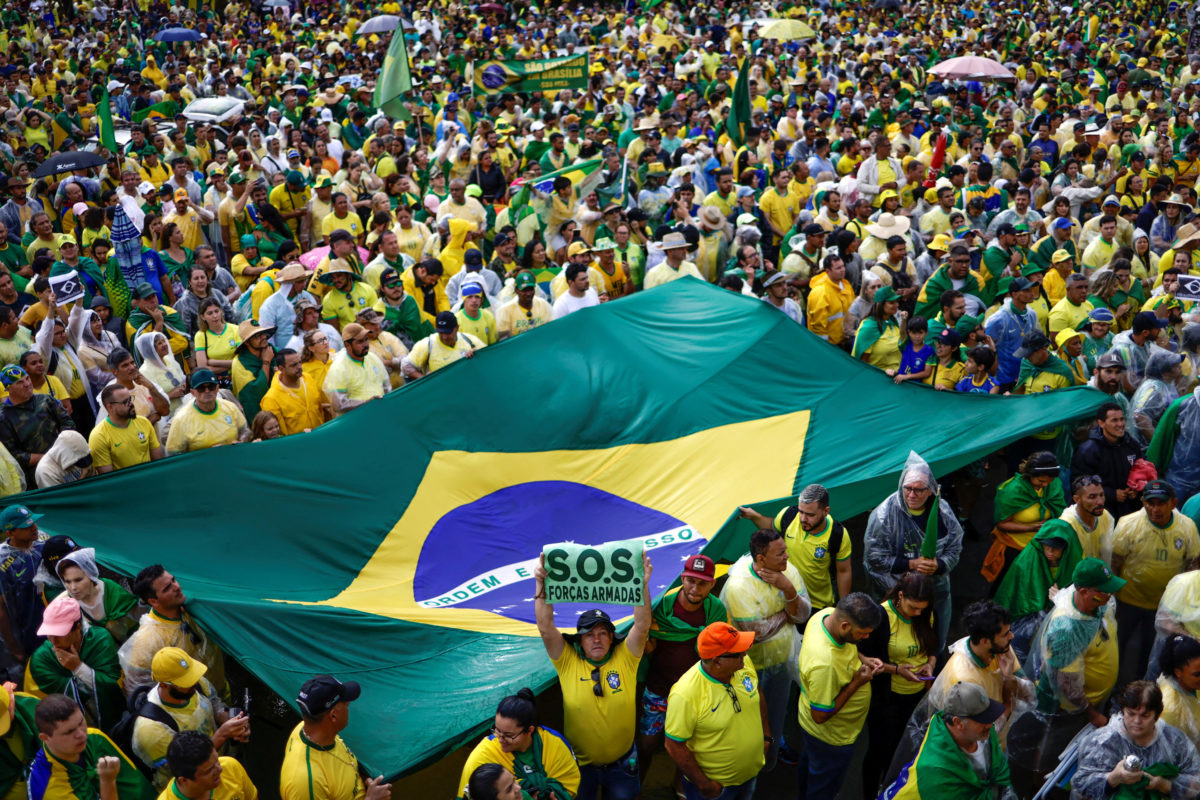
Supporters of Brazilian President Jair Bolsonaro gather outside the Army Headquarters in Brasília on November 15, 2022, to protest against President-elect Luiz Inácio Lula da Silva, who secured a third term after winning the presidential runoff. (Image credit: REUTERS/Ueslei Marcelino)
Why the market may be expensive
The mispricing may come from three places.
First, traders overreact to headline polling. A poll showing Lula at 46.6% feels close to a first-round win. But 46.6 is not 50, and the path from 46.6 to 50 is not automatic. It requires either meaningful minor-candidate collapse or a real shift from the opposing bloc. Neither is obvious from current crosstabs.
Second, traders treat polarization as consolidation. Brazil is polarized, but polarization can simply mean two large camps hate each other while a residual minor-candidate vote remains alive. That residual vote is exactly what keeps the leading candidate below 50.
Third, the market is thin and segmented. Polymarket’s contract has attracted only modest volume, while Kalshi has at times printed higher prices on very low volume. This is especially relevant because Brazil has recently taken a harder line against prediction-market platforms and political derivatives. If local participation is constrained, the market may be more influenced by global retail narratives than by domestic political microstructure.
Brazil Blocks Polymarket, Kalshi Over ‘Illegal Betting’
The first important date is June 16, when Brazil’s electoral authorities are scheduled to disclose the amount available in the Special Campaign Finance Fund. This matters because party financing helps determine whether minor candidates can remain viable enough to absorb first-round votes.
The second thing to watch out for is the July 20 to August 15 party convention and registration window. This is the field-lock period. If the ballot remains broad, the price of the first-round outright win contract should decay. If the field unexpectedly consolidates around Lula or Flávio, "Yes" deserves a repricing.
The third catalyst is the official free radio and TV campaign period from August 28 to October 1. That is when lower-information voters get pulled into the election and when minor candidates either prove durable or collapse into the two main camps.
Disclaimer: The content is for informational purposes only. You should not construe any such information or other material as legal, tax, investment, financial, or other advice. Nothing contained in this article constitutes a solicitation, recommendation, endorsement, or offer by the author(s) or any third party service provider to buy or sell any securities or other financial instruments in your or in any other jurisdiction in which such solicitation or offer would be unlawful under the securities laws of such jurisdiction. The author(s) report(s) no conflict of interest.