The Big Bang Theory ran for twelve seasons on CBS between 2007 and 2019, becoming the highest-rated American sitcom of that decade. It has since spawned Young Sheldon and Georgie & Mandy's First Marriage, both centered on the Cooper family. Now, the fourth entry in the franchise has chosen a far less expected protagonist: Stuart Bloom, the comic book store owner who appeared in over 80 episodes of the original series without ever becoming its focus.
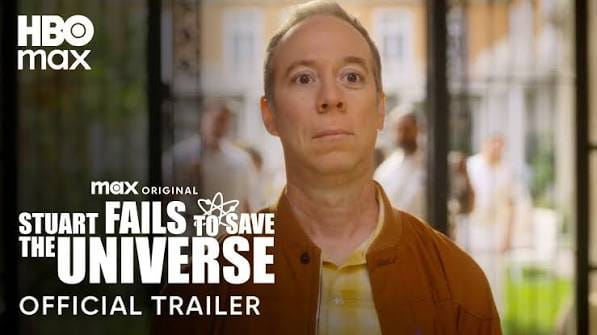
Stuart Fails to Save the Universe premieres on HBO Max on July 23, and debate about what kind of show it actually is — and who it's for — is already well underway.
The format signals a deliberate break from the original. Where The Big Bang Theory was a traditional multi-camera sitcom with a laugh track and brightly lit apartment sets, the spinoff is a single-camera sci-fi comedy with a multiverse premise, an apocalyptic backdrop, and a noticeably darker, stranger tone. The creative team reflects this shift: original co-creators Chuck Lorre and Bill Prady are joined by Zak Penn, whose previous credits include The Avengers and The Incredible Hulk, which goes some way toward explaining the show's genre ambitions.
That ambition is also the show's central risk. The core audience that made The Big Bang Theory a ratings phenomenon — broadly mainstream, older-skewing, drawn to comfort television — may not follow the show into multiverse territory. Meanwhile, viewers who actively seek out that kind of storytelling may be put off by the franchise association. Every bold spinoff faces this tension. Whether Stuart Fails to Save the Universe can find an audience in that gap is the real question July 23 will begin to answer.