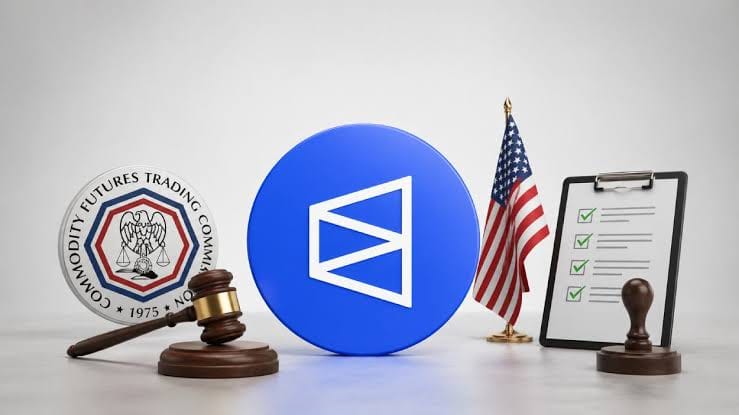
For more than three years, Polymarket operated outside the U.S. after settling charges with the U.S. Commodity Futures Trading Commission (CFTC) in early 2022. It changed when Polymarket acquired CFTC-regulated exchange and clearinghouse QCX, giving it a legal pathway back into the American market. Since then, Polymarket US has begun filing exchange rules, incentive programs, and event contract certifications with the CFTC as it prepares for a broader rollout.
Which factor will matter most for prediction markets in the U.S. over the next three years?
The return itself is significant, but it is probably not the biggest story.
The more important question is whether Polymarket's reentry shows that prediction markets are moving from a regulatory experiment into a recognized part of U.S. financial infrastructure.
From Regulatory Outlier to Licensed Exchange
The back of Polymarket looks differ from other platform who left the U.S.. Instead of rely on the off-chain crypto platform, Polymarket chose to acquire an already licensed derivatives exchange rather than wait years for a new license. That acquisition gave it access to an established regulatory framework while allowing it to operate under CFTC oversight. Reuters reported the transaction followed the company's acquisition of QCEX and QC Clearing, which provided the legal infrastructure necessary for a U.S. relaunch.
Since then, Polymarket has submitted multiple filings covering exchange rulebooks, liquidity incentive programs, and election related event contracts, suggesting the company is preparing for long-term regulated operations rather than a limited pilot.
A Different Regulatory Environment
Polymarket is also returning to a market that has changed dramatically.
Several years ago, prediction markets occupied a legal gray area. Today, event contracts have become part of a broader policy debate involving regulators, exchanges, and state governments.
Kalshi's legal victories helped establish that at least some event contracts could operate within the U.S. derivatives framework. And the CFTC has opened a formal rulemaking process to determine how prediction markets should be regulated in the future. Polymarket submitted comments arguing that regulated prediction markets improve price discovery and information aggregation, while acknowledging that clear regulatory standards remain necessary
This does not mean regulatory uncertainty has disappeared.
There are still ongoing debates regarding which contracts should be permitted, where the boundary between financial forecasting and gambling should be delineated, and how federal authority should interact with state-level restrictions.
Competition is About More Than Users
Most media reported Polymarket's return as a direct challenge to Kalshi.
Competition certainly matters, but the deeper contest may involve market design.
Kalshi operates within a fully regulated U.S. financial framework, while Polymarket built its reputation as a crypto native global platform with great liquidity and international participation. Bringing those strengths into a regulated U.S. exchange, then a boarder question comes: which model will traders prefer ultimately?
The answer could influence how future prediction markets are structured—not only in the United States but globally.
Why This Matters Beyond Prediction Markets Itself
The implications extend well beyond one company.
If multiple regulated exchanges begin listing(which is already in process) event contracts on politics, economics, weather and other real world events, prediction markets could become another source of market based expectations alongside traditional surveys, analyst forecasts, and futures markets.
Supporters argue these markets aggregate dispersed information more effectively than opinion polls, while critics worry that certain contracts could encourage speculation on sensitive public events. The CFTC's ongoing review is expected to play a central role in defining where those boundaries ultimately lie.
Therefore, Polymarket's return to the U.S. is not simply a company expanding into a new market.
It represents another step in the gradual institutionalization of prediction markets.
Whether this can become a lasting shift will depend less on one platform's trading volume or liquidity, it is more about whether regulators, exchanges, and investors can agree on where prediction markets fit within the U.S. financial system.
Source:
1. Polymarket's CFTC settlement and the long road back to US usersJun 30, 2026 https://legalclarity.org/polymarkets-cftc-settlement-and-the-long-road-back-to-us-users/
- Polymarket US, May 5, 2026 https://www.cftc.gov/sites/default/files/filings/orgrules/26/03/rules03052640396.pdf