Premier info portal for prediction markets. The start point of information market.
Macro & Micro Compass - Colombia’s Real Threat Is Not Political
Analysis
EconomicsGDPGeopoliticsMacro & Micro Compass

Macro & Micro Compass - Colombia’s Real Threat Is Not Political

Colombia’s unexpectedly competitive three-way presidential race heightens investor anxiety, as a fragmented Congress and wary electorate imperil the deep fiscal tightening needed to avoid a confidence crisis.

PoliticsEconomics & Finance

Colombia’s primary elections left political junkies in ecstasy and economists uneasy.

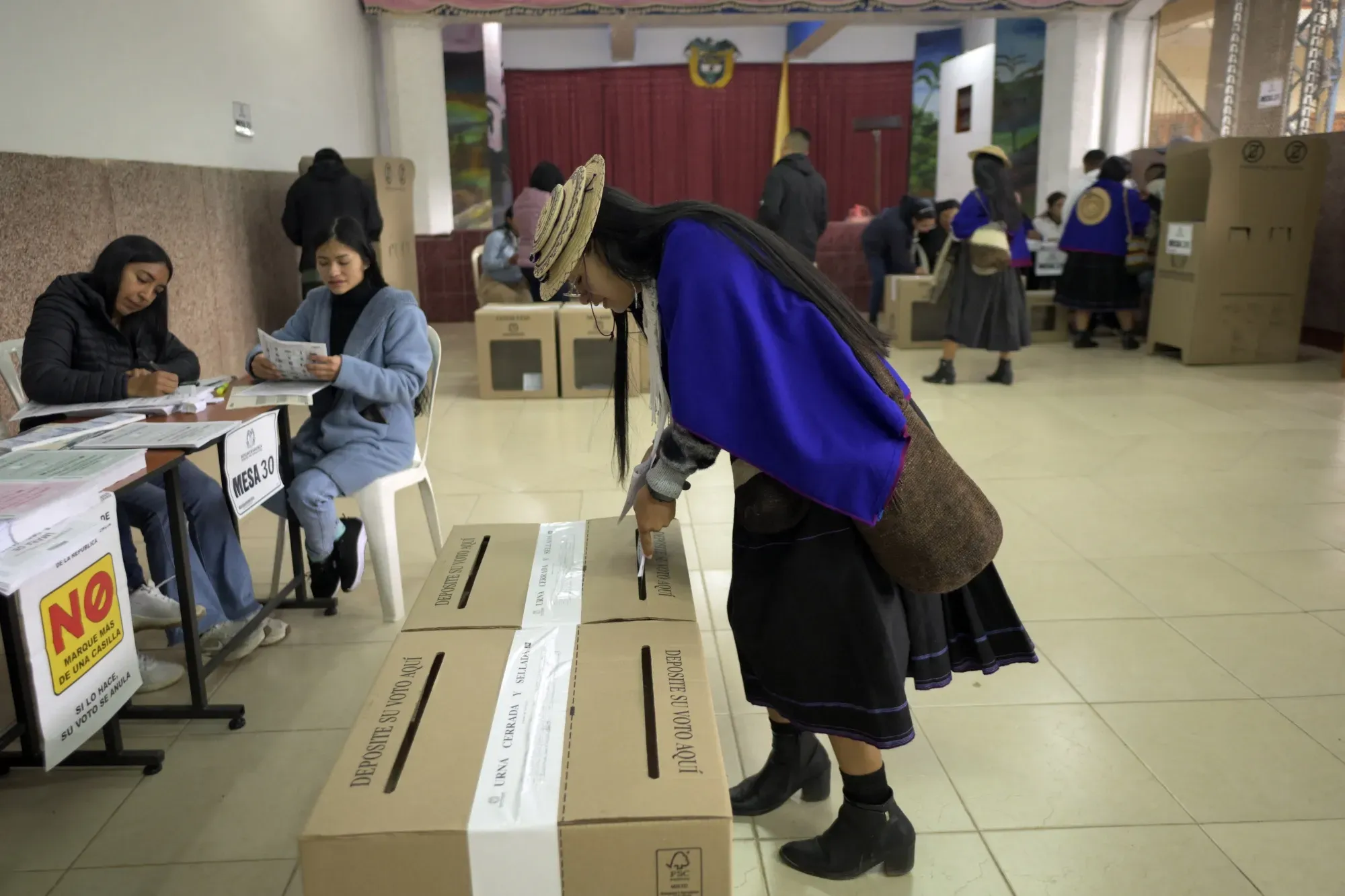
The better-than-expected performance of center-right senator Paloma Valencia has effectively turned the May 31 presidential vote into a three-way race, with leftist Iván Cepeda and hardliner Abelardo de la Espriella also vying for the two spots in an eventual runoff. Valencia’s emergence adds spark to a contest that now looks wide open: the successor to Gustavo Petro could be one of his close ideological allies, a protégé of his nemesis former president Álvaro Uribe or a cartoonish outsider with no experience in office. For any Nordic political scientist fascinated by complex electoral dynamics, this is irresistible; it guarantees a gripping campaign through the likely June 21 second round.

At the same time, Colombia’s fractured politics, reflected in a new congress where no party holds more than a quarter of either chamber, suggest that no matter the ideological leaning of the next government, it will have to build consensus if it hopes to pass legislation and implement reforms. That should worry investors and policymakers, because Colombia faces a looming fiscal crisis that so far no candidate has been willing to address. With meaningful budget cuts largely absent from a campaign focused on insecurity, corruption and health care, the next president won’t arrive in office with a popular mandate to impose the austerity that the Andean nation may soon require.

The numbers are grim: Colombia ended 2025 with a primary deficit of 3.5% of GDP, the largest budget gap in three decades outside periods of crisis. Once interest payments are included, the deficit rises to 6.4% of GDP; it could have surpassed 8% were it not for debt-management maneuvering by the Petro administration. CARF, the country’s fiscal watchdog, has estimated that returning to compliance with Colombia’s debt rule — suspended by Petro last year as he sought to free himself from spending constraints — will require a fiscal adjustment of 4.5% of GDP through 2028. That means the next government will have to spend substantial political capital sustaining a credible budget-tightening of more than one percentage point of GDP per year. The alternative is flirting with an investor confidence crisis.

Already trading at higher sovereign spreads than regional peers such as Chile, Peru, Mexico or even Brazil, Colombia’s five-year credit default swaps hit a 10-month high of 241 basis points on March 6, right before the primary, but eased slightly as investors cheered the election results.

While the finance ministry said last week it aims to reduce the deficit to 5.1% of GDP in 2026 through lower spending and debt service costs, it offered little detail on how it would achieve such an ambitious goal. The notion that the spendthrift Petro might deliver a sharp fiscal contraction during his final five months in office also defies credulity. He appears, instead, to be passing the problem to whoever comes next.

True, Colombia’s fiscal problems didn’t start with its flamboyant and garrulous president. The country has run structurally higher deficits since the pandemic and lost its investment-grade status in 2021 under former president Iván Duque. But Petro has made matters worse, accelerating spending amid persistent inflationary pressures. His administration relied on optimistic revenue projections, underestimated spending pressures and adopted questionable policies, including raising the minimum wage far above inflation and trying to undermine the central bank’s inflation-fighting credibility. The decision in October to cancel the two-year flexible credit line approved by the International Monetary Fund removed an additional financial safeguard.

To be sure, the possibility of a centrist or right-wing victory increases the odds of more orthodox economic policies, helping to explain why investors cheered on the primary’s results. But that shift toward pro-market policy still looks like a leap of faith. According to Polymarket, Cepeda continues to lead the odds of winning the election with 43%. And even if a pro-business government is inaugurated, it’s politically treacherous for any president in Colombia, limited to a single four-year term with no reelection, to devote a large share of the mandate to delivering austerity.

There was a time when Colombia’s fiscal rectitude was a matter of national pride. Unlike most of its neighbors, it has not defaulted on its sovereign debt in nearly a century. Preserving that impressive record will now fall to the next president, who may soon discover that fixing Colombia’s finances is far harder than winning ultra-competitive elections.

Source: https://www.bloomberg.com/opinion/articles/2026-03-16/colombia-s-real-threat-is-not-political
Trump has undermined the US national security apparatus
News
Insight

Trump has undermined the US national security apparatus

Trump’s unchecked rush to war with Iran, enabled by a gutted diplomatic and security apparatus, underscores how weakened institutions are eroding constitutional and practical restraints on US military power.

Politics

Donald Trump has embarked on a war against Iran without a clear objective or plan. That he could so easily do so casts doubt on whether the US presidency faces any remaining constitutional check on its war-making powers. War should be the last resort after exhausting all alternatives. In this case, not only were the alternatives not exhausted, but the administration deprived itself of the means to understand or achieve them. Now the conflict has begun, the weakening of the security apparatus is hampering America’s ability to prosecute it.

The second Trump administration has sought to root out dissent from national security institutions, emphasising ideological fealty over experience. Thousands of diplomats and civil servants have been dismissed or replaced. With them has gone much of the knowledge and institutional memory needed to forestall bad decisions.

Nowhere is this more true than in diplomacy. The president left the delicate negotiations over a new nuclear agreement with Iran to his envoy Steve Witkoff and son-in-law Jared Kushner. Though neither has nuclear expertise, they chose to negotiate without US federal nuclear experts.

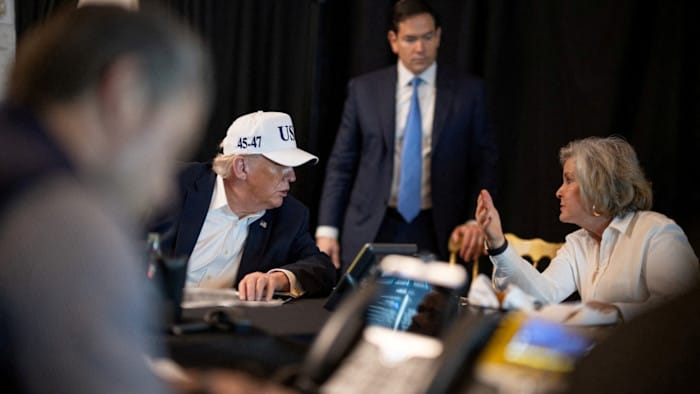
The state department under secretary Marco Rubio fired more than 1,300 employees last July in a huge outflow of expertise, including on the Middle East. In December, the president recalled nearly 30 career ambassadors, leaving the US with about 80 vacant ambassadorial posts. These included Gulf allies such as Saudi Arabia, Qatar and the United Arab Emirates, which had urged US restraint towards Tehran and have become targets of Iranian retaliation. The main US ambassador in place in the region, Mike Huckabee in Israel, is an ardent defender of Prime Minister Benjamin Netanyahu.

Rubio has also since last May served as acting national security adviser. Merging the job of executing diplomacy with that of coordinating and vetting intelligence and options, as well as gutting the National Security Council staff, may explain why the decision to go to war seems not to have undergone the usual stress-testing. US military strikes have been powerful, but there was little evident planning for the likelihood, for example, that Iran would shut the vital oil artery of the Strait of Hormuz. The US administration says its planning was comprehensive and it expected Iran to retaliate by closing the strait.

At the Pentagon, Pete Hegseth has similarly overseen large workforce cuts. In some of the most consequential changes, the defence secretary fired judge advocates general, who advise on the legality of combat orders. As part of a drive to ensure the “unapologetic lethality” of US military force, he has gutted the Civilian Protection Center of Excellence, a congressionally mandated office designed to help military planners avoid non-combatant casualties. It is unclear whether that played a part in what was likely a US missile strike on a girls’ school in Iran that killed scores of children, or whether this resulted from outdated intelligence. But critics including senior Democrats have pointed to the Hegseth Pentagon’s focus on the “warrior ethos” as a factor in the high civilian death toll in Iran.

The downgrading of civilian safeguards as a priority reflects a broader insistence among senior US officials from the president downwards that the urgency of action outweighed any questions over the legality of the strikes. Other powers, including Iran, they say, would not feel constrained by such notions. The US has often been accused of applying international law selectively. But in previous conflicts, such as the invasion of Iraq in 2003, the White House went to some lengths to try to secure a UN mandate and congressional approval. The current administration has made no such effort. Trump is embracing ever more openly a might-is-right world — even as his pursuit of greater military freedom may have weakened his ability to use US power judiciously and effectively.

Source: https://www.ft.com/content/acd19a3b-bc2b-4d33-9216-90a34c472d5b

CFTC Offers First Guidance on Manipulation in Prediction Markets
News
EconomicsRegulatorySignalsLegalPrediction Market

CFTC Offers First Guidance on Manipulation in Prediction Markets

CFTC moved slightly to tighten oversight of booming prediction markets, urging pre-launch consultation on risky contracts and launching rulemaking to assert its authority over sports and geopolitical bets.

Politics

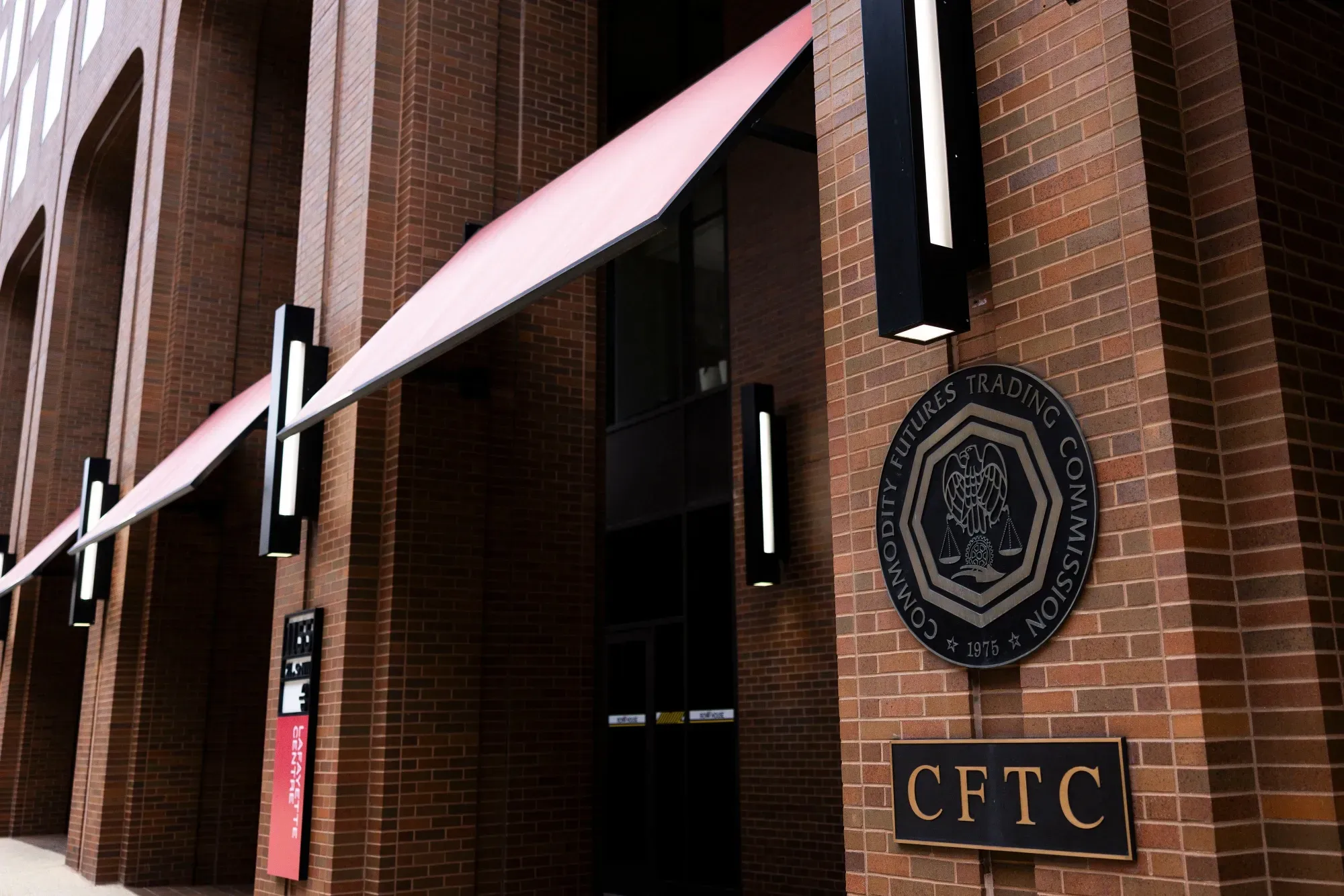
The Commodity Futures Trading Commission issued new guidance for prediction markets, asking exchanges to engage with regulators before opening certain markets that might be vulnerable to manipulation and insider trading.

The document released on Thursday offers one of the first official responses from federal regulators to several of the controversies that have swirled around prediction markets as they have exploded in popularity over the past year.

More established exchanges have recently complained that prediction markets have taken advantage of a longstanding regulatory process that allows them to create new financial contracts without explicit regulatory signoff.

Thursday’s guidance indicates that exchanges will be able to continue to use the so-called self-certification process to introduce new markets. But the CFTC says the companies “are encouraged to consider whether certain categories of event contracts create a heightened potential for manipulation or price distortion,” and to “engage with staff in the early phases of designing such contracts.”

The agency also issued an advance notice of proposed rules that tees up dozens of questions about how it might modify existing rules for prediction markets. That proposal is an early-stage effort to elicit public feedback that can be incorporated into formal regulations.

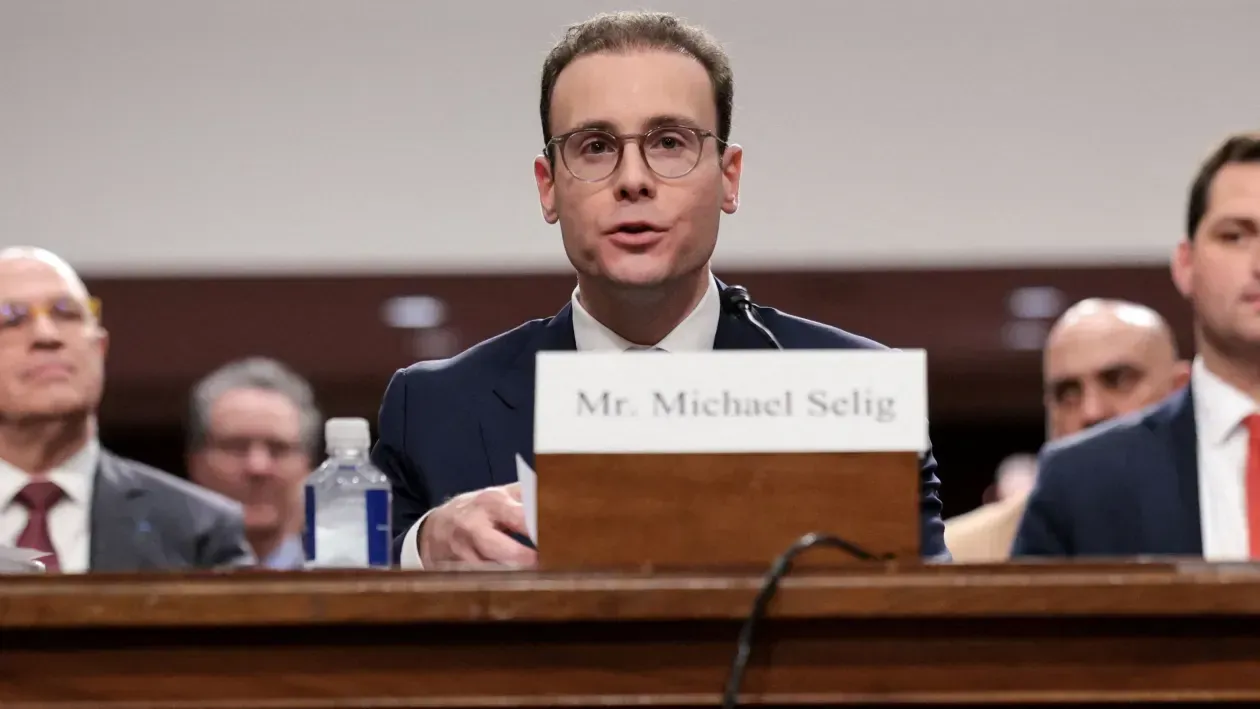
“This begins the process of new rulemaking grounded in a rational and coherent interpretation of the Commodity Exchange Act, while reassuring the American people that the CFTC will exercise its exclusive jurisdiction over prediction markets,” CFTC Chairman Michael Selig said in a statement on the notice.

The guidance and proposed rules are the latest sign that the agency is trying to bolster its authority over the multi-billion dollar markets in the face of myriad legal questions about novel financial contracts tied to sports and geopolitical events.

During the Biden administration, the CFTC pushed to restrict the expansion of prediction markets into new areas. But Selig, who took the helm of the CFTC in December after being nominated by President Donald Trump, has taken a much different approach and allowed them to rapidly grow.

Donald Trump Jr., the president’s son, is an adviser to the two most prominent prediction market startups, Kalshi and Polymarket, and Trump Media & Technology Group is creating its own prediction market product in partnership with Crypto.com, which operates OG, another prominent sports trading platform.

The exchanges and the CFTC have faced legal challenges from state regulators, who have said that prediction markets tied to sports — one of the fastest growing categories of trading — should answer to state gambling laws. But Selig has indicated that he will side with prediction markets in the ongoing court battles.

“To those who seek to challenge our authority in this space, let me be clear: We will see you in court,” Selig said in a video he posted on X in February.

The nascent industry has recently come under particular scrutiny for contracts tied to the war in Iran, including some that were focused on the removal of Ayatollah Ali Khamenei.

The CFTC said Thursday that it may block contracts tied to assassination, war or terrorism if it determines that an “event contract is contrary to the public interest.” The document, though, did not say that these markets are prohibited outright.

The commission said it was kicking off the rulemaking process in part because the number of exchange applicants has more than doubled over the last year, primarily from companies seeking to operate prediction markets. Many of the applicants plan to focus on sports, an area that has come under scrutiny because of previous sports gambling scandals.

The new guidance suggests that sports contracts can move ahead, but that the exchanges should engage with sports leagues on the oversight of potential insider trading and also work with the leagues on pending investigations.

Crypto.com launched the first sports prediction markets in the final days of 2024, soon after a court ruling paved the way for trading on the 2024 presidential elections.

The company didn’t engage with staff before launching the first contracts on the 2025 Super Bowl. Kalshi followed suit soon after.

Polymarket’s unregulated overseas exchange has long offered sports trading, but last year the company acquired licenses to launch a US-regulated exchange that is currently focused only on trading sports.

Rob Schwartz, a former CFTC general counsel and now a partner at Morgan, Lewis & Bockius, said that the new recommendation that exchanges consult with sports leagues and report on those consultations “shows full awareness of recent public concerns that insiders or other market participants may abuse the unique characteristics of these contracts.”

Crypto.com, Kalshi and Polymarket didn’t immediately respond to a request for comment on the new guidance and proposed rules.

Source: https://www.bloomberg.com/news/articles/2026-03-12/cftc-offers-first-big-guidance-on-prediction-market-manipulation

Prediction Markets Picked Texas Democratic Primary Winner But Missed on GOP Race
News
CompetitionRegulatoryElectionPrediction Market

Prediction Markets Picked Texas Democratic Primary Winner But Missed on GOP Race

Texas’s Senate primaries underscore how liquid prediction markets can sometimes outpace traditional polls in gauging election outcomes, yet still misfire in complex, high-profile races.

Politics

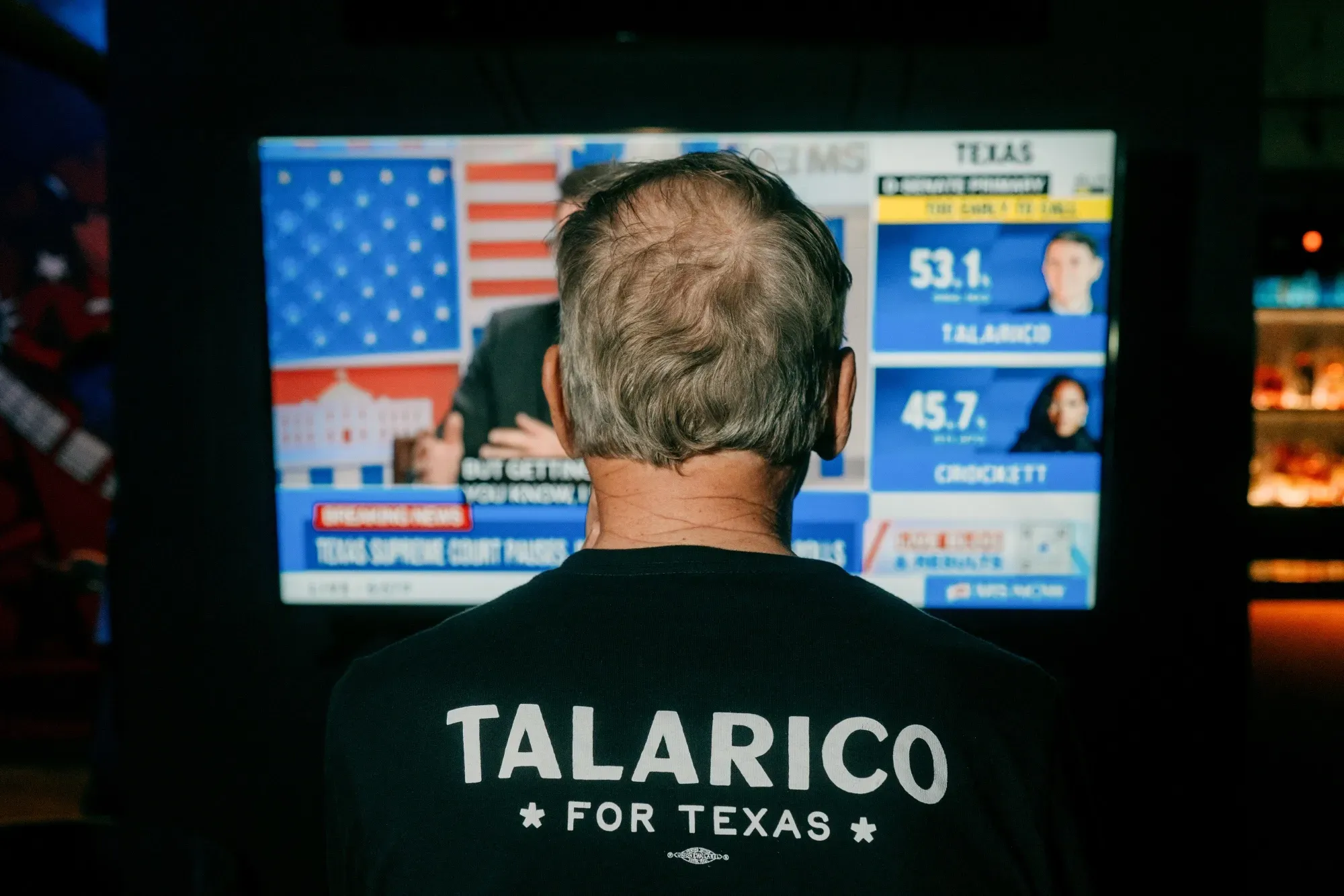
James Talarico’s victory over Jasmine Crockett in the race for the Democratic nomination for Senate in Texas came as a surprise to many poll watchers. Prediction-market traders never had much doubt.

An average of polls collected by Decision Desk HQ showed Crockett leading for nearly the entire campaign until Talarico captured a narrow lead in its closing days. But within a week of Crockett announcing her plans to run in December, traders on markets like Kalshi and Polymarket placed her odds of winning below 40% — and kept them there through much of the race.

The Texas Senate primary has been the most closely watched early test of how voters might tilt in this year’s midterm elections. Talarico, a religious populist who drew national attention while championing higher taxes for the wealthy, beat Crockett, a Dallas-area congresswoman and progressive firebrand, by more than six points.

Prediction-market traders were less successful in picking a winner in the state’s Republican Senate primary, which advanced to a runoff between incumbent John Cornyn and state Attorney General Ken Paxton. Most polls and prediction markets expected the race to advance to a runoff with Paxton leading Cornyn in the first round, but with 94% of votes counted, Cornyn topped Paxton by more than 25,000 votes.

Both Cornyn and Paxton are well-known figures in Texas politics, making the race a tough call. While Cornyn is a longtime senator backed by some of the state’s wealthiest residents, Paxton sought to appeal to hardcore followers of President Donald Trump. The presence of Representative Wesley Hunt, who finished a distant third, also made the GOP race more complex.

Traders had favored Paxton in the runoff by ten percentage points on Wednesday morning, but activity was volatile in the afternoon after Trump said on Truth Social that he plans to endorse a candidate soon.

Texas primaries can be difficult to forecast because voters can choose to vote in either party’s race. Surveys released in February ranged from a six-point Talarico win to a 12-point Crockett romp. On Election Day morning, markets on Kalshi and Polymarket gave Talarico an 87% chance of victory.

Prediction markets allow users to trade contracts on the outcomes of real-world events. Users have placed billions of dollars in bets on everything from crude oil prices to the Super Bowl. Yet some observers have questioned the extent to which the markets reflect real developments, as opposed to simple changes in sentiment among traders themselves.

“It’s not clear how much actual information people have when they’re trading on this stuff,” said Joshua Clinton, a Vanderbilt University professor who has researched prediction market efficacy in elections. “A lot of the time, there’s not really all that much information, so it’s just aggregating vibes.”

On Tuesday, as voters cast their ballots, traders poured money into Texas bets. The Democratic primary became the 10th most actively traded contract on Polymarket, according to data compiled by Bloomberg. By Wednesday, the Democratic primary markets on Kalshi and Polymarket had fielded $20.8 million in bets.

Supporters of prediction markets argue that they are more reliable at predicting outcomes when trading activity is high. “The more trading’s involved, the more accurate they tend to be,” said Robin Hanson, an associate professor of economics at George Mason University who is considered a founding father of prediction markets.

In recent days, criticism of prediction markets has grown as traders placed bets on the Iran war. Businesses like Kalshi and Polymarket are licensed and supervised by the US Commodity Futures Trading Commission.

News outlets including Dow Jones, CNN and CNBC have signed partnerships with prediction markets to supplement coverage with their live data. On Monday, the Associated Press said it would share election-results data with Kalshi.

Source: https://www.bloomberg.com/news/articles/2026-03-04/prediction-markets-picked-talarico-but-missed-on-texas-gop-senate-primary

Iran Strikes Expose the Dark Edge Case of Prediction-Market Era
News
EconomicsInsightRegulatory

Iran Strikes Expose the Dark Edge Case of Prediction-Market Era

The weekend's real-world assassination of Khamenei has exposed the severe ethical and legal fault lines in an industry's quest to legitimize betting on geopolitical violence.

Politics

Prediction markets have spent the past year courting Wall Street money and Washington legitimacy with an ambitious pitch: markets that let people bet on real-world events can produce better, faster information than any alternative.

This weekend, as US and Israeli bombs fell on Iran and traders rushed to cash in, the war exposed just how morally and legally fraught that proposition can get.

The industry has attracted serious money and serious backers. Polymarket, backed by investors including Intercontinental Exchange Inc., the parent of the New York Stock Exchange, has been valued at $9 billion and operates offshore, largely outside US regulatory oversight. Kalshi Inc., which is regulated by the Commodity Futures Trading Commission, has been valued at $11 billion and has struck a deal with Tradeweb Markets Inc. The platforms handled tens of billions in combined volume last year.

Both let traders bet on what would happen in Iran, and when Ayatollah Ali Khamenei was killed in the strikes Saturday, both drew backlash. On Polymarket, contracts tied to the timing of US strikes had drawn more than $529 million in volume, while blockchain analysts flagged suspicious betting patterns among newly created accounts. Its market tracking whether Khamenei would no longer be supreme leader resolved to ‘yes.’

Kalshi had tried to thread the needle. Its Khamenei contract, which had attracted more than $50 million in volume, had a carveout: if he died, positions would resolve at the last-traded price before his demise rather than paying out as a binary win. The platform says it does not offer markets that settle on death — and on regulated US exchanges, contracts tied to war, terrorism or assassination are widely seen as prohibited.

Polymarket’s War Bets Draw Lawmaker Backlash and Legal Scrutiny

The carveout was quickly put to the test. More money poured into the market on Saturday, some of it while reports of Khamenei’s killing were already circulating. Kalshi highlighted the contract on social media that morning, issued clarifications, then halted trading later. By Saturday evening, its CEO took to social media, pledging to reimburse all fees from this market. In the end, Kalshi reimbursed users’ net losses, a move that cost the company about $2.2 million, according to a person familiar with the matter.

The episode illustrated a gap that neither regulation nor contract design has managed to close: how to let people bet on geopolitical events without producing exactly the ethical issues the rules were written to prevent.

“Our rules were clear from the beginning, we never changed them, and we settled based on the rules,” a Kalshi spokesperson said. “We reimbursed all fees and net losses because we thought the UX could have been clearer for users.”

Polymarket didn’t immediately reply to a request for comment.

The fallout has forced into the open a debate the industry would prefer to have on its own terms. Advocates argue that geopolitical contracts produce genuine informational value — that a liquid market where traders put real money at stake generates faster, more accurate signals than traditional intelligence analysis or news coverage. Proponents also point to hedging: a shipping company routing through the Strait of Hormuz or an oil trader exposed to Middle East supply risk can use these contracts to manage exposure in ways conventional insurance cannot match at that speed.

Mansour has argued that the Khamenei market served a legitimate purpose, noting that leadership changes in Iran carry consequences for global oil prices, national security and the broader world order — and that autocratic leaders can leave power without dying, as happened with Venezuela’s Nicolás Maduro in January.

“We don’t list markets directly tied to death,” Kalshi CEO Tarek Mansour wrote on X. “When there are markets where potential outcomes involve death, we design the rules to prevent people from profiting from death.”

Critics counter that war markets create incentives fundamentally different from betting on elections or economic data. When the underlying event is violence, the potential for abuse is acute. In February, Israeli authorities filed what appear to be the first criminal charges anywhere in the world linking prediction market bets to classified military intelligence.

“These private, profit-maximizing financial firms want to have it both ways: maximizing trading on anything while narrowly interpreting a clear law that outlaws this trading on assassination and war,” said Better Markets CEO Dennis Kelleher in an email.

The backlash arrives at a pivotal moment. New business models have cropped up around the conviction that anything measurable should be tradable, from the length of a press conference to the outcome of a war. Prediction markets are the purest expression of that impulse: strip away the intermediaries, let the crowd set the price, and treat the resulting number as truth. The Iran bets tested whether that logic has a limit.

Democratic senators led by Adam Schiff of California sent a letter to CFTC Chairman Michael Selig less than a week before the strikes demanding that the agency crack down on contracts tied to war and assassination. They set a March 9 deadline for a response, a date that now arrives against the backdrop of an actual war.

Senator Chris Murphy, a Connecticut Democrat, went further over the weekend, saying he is drafting legislation to ban what he called “corrupt and destabilizing prediction markets, where insiders who know the outcome, especially in government, can rig the game to favor certain bets.”

The industry’s own trade group, the Coalition for Prediction Markets — of which Kalshi is a member — responded on X to the senators’ letter by saying that “contracts involving death have no place on American exchanges.” Days later, one of its members had to effectively halt a contract because its subject was killed.

“The confusion and outcry over how the wagers would resolve underscores that this betting market shouldn’t exist in the first place,” said Amanda Fischer, a former chief of staff at the Securities and Exchange Commission.

Source: https://www.bloomberg.com/news/articles/2026-03-01/iran-strikes-expose-the-dark-edge-case-of-prediction-market-era

Bets on Fate of Iran’s Khamenei Spark Uproar at Leading Prediction Markets
News
RegulatorySignalsGeopoliticsLegalPrediction Market

Bets on Fate of Iran’s Khamenei Spark Uproar at Leading Prediction Markets

Prediction markets face mounting political and regulatory scrutiny after lucrative bets on Iran’s Khamenei and U.S. strikes raised insider-trading and war-profiteering concerns.

Politics

Before U.S. and Israeli missiles struck Tehran, users of Kalshi and Polymarket placed short-term wagers that Iran’s Supreme Leader, the Ayatollah Ali Khamenei, would be out of power.

Now, those bets are under scrutiny after the killing of Khamenei. Some U.S. lawmakers have raised questions about whether the markets should be allowed, and if some anonymous traders had inside information ahead of the strikes. Meanwhile, some users complained about how their bets were resolved.

“It’s insane this is legal,” Sen. Chris Murphy (D., Conn.) wrote in a post on X. “I’m introducing legislation ASAP to ban this.” Murphy alleged that people around President Trump were “profiting off war and death.” Asked for comment, White House spokesman Davis Ingle said, “the only special interest guiding the Trump administration’s decision-making is the best interest of the American people.”

The trades took place on both Kalshi and Polymarket, the two largest prediction markets. Kalshi, which is a U.S.-regulated entity, doesn’t allow bets on wars or assassinations. There, users were offered the chance to bet on Khamenei being “out as Supreme Leader.” On X, Kalshi Chief Executive Tarek Mansour promoted the market on Khamenei through his personal account.

Polymarket offered a market with similar wording, which it promoted at the top of its website. Bettors on the platform could also speculate on the date of a strike, with Feb. 28 as one option. Polymarket’s offshore, unregulated marketplaces aren’t subject to the same rules as Kalshi.

“So this is more or less offering a proxy market on assassination,” Amanda Fischer, a former chief of staff at the Securities and Exchange Commission, wrote on X, in a message quote-tweeting Kalshi’s promotion of the Khamenei market.

Ayatollah Ali Khamenei waves during Eid al-Fitr prayer.
Iran’s Supreme Leader Ayatollah Ali Khamenei died on Saturday, President Trump said on Truth Social. WANA NEWS AGENCY/REUTERS

Kalshi and Polymarket said bets such as the ones regarding Khamenei’s fate play an important role. “The promise of prediction markets is to harness the wisdom of the crowd to create accurate, unbiased forecasts for the most important events to society,” Polymarket said in a note on its site.

Kalshi’s Mansour compared the Khamenei market to oil futures, which he said could also serve as a proxy during wartime. “We believe that’s different than having a market directly settling on someone’s death,” he wrote on X.

“Kalshi doesn’t allow markets directly tied to death,” the company said. “We included every precaution on this market to make sure people could not trade on the outcome of death.”

Polymarket has a data partnership with Dow Jones, the publisher of The Wall Street Journal.

War markets have been a particularly sensitive topic for prediction markets, given that information about strikes against foreign adversaries could rely on highly classified information, and those bets could put lives in danger.

Earlier this month, Israel arrested army reservists for using sensitive information to place bets on other strikes against the Islamic nation. The month before that, an anonymous trader made $400,000 by betting on the downfall of Venezuela’s leader, Nicolás Maduro.

As for the situation in Iran, crypto-analytics firm Bubblemaps said it found what it called “six suspected insiders” who had made $1.2 million wagering on a U.S. strike through Polymarket. Most of them bet on a strike by Feb. 28, which turned out to be the exact date of the operation, the firm said. One such user bet $26,000 and won over $200,000, a return upward of 657%.

Days before the Iran strike, a group of senators, including Sen. Adam Schiff (D., Calif.) urged the Commodity Futures Trading Commission to “prohibit any contract that resolves upon or closely correlates to an individual’s death.” The CFTC already prohibits contracts that involve terrorism, war or assassination.

The markets on Khamenei had long predated the Feb. 28 strike. Polymarket started taking odds in December on whether the Iranian leader would be out by April. Kalshi’s market differed slightly, with users able to take bets on whether he would be out by September, July, or April.

For most of this year, these bets were long-shots. On Polymarket, for example, the odds of Khamenei leaving never breached 50%. Then, at about midnight—just a few hours before the first coordinated attacks across Iran—odds started rising sharply, from under 25% to more than 50%. For the rest of the morning, as rumors spread on social media that Khamenei was killed, the odds mainly kept going up.

As news of the strikes unfolded early Saturday in the U.S., it became clear that Khamenei was a target, but his fate wasn’t known. Then, at 4:37 p.m. Eastern Time, Trump declared on Truth Social that Khamenei was dead.

A different kind of chaos ensued online, with users unclear on when, or if, they would receive payouts. Kalshi had posted midday Saturday on X that if Khamenei died, “the market will resolve based on the last traded price prior to confirmed reporting of death.” A couple of hours after Trump’s Truth Social post, Kalshi wrote that if the last-traded price were “unclear,” its committee for reviewing outcomes would determine a “fair value.”

The company added a note to its website stating that the market has been paused pending “further review of the situation,” though it appeared that users could still place bets Saturday evening. Iran state television confirmed Khamenei’s death hours after Trump first announced it.

Users flooded the comment section of Kalshi’s site for the Khamenei market with complaints, demanding that it resolve the market to a “yes” after Trump declared on Truth Social that Khamenei was dead.

“I bet his ass was going to be dead before March a week or two ago,” one user commented. “I want my f*cking money.”

At 8:49 p.m. ET, Kalshi’s Mansour posted on X that the company is refunding users all fees collected from the Khamenei market and will make payments based on the last-traded price before Khamenei’s death. On Sunday morning, Mansour stated that users who placed bets after Khamenei’s death will be refunded the difference between the price at which they bought the contract and the last-traded price before Khamenei’s death. The reimbursements cost Kalshi $2.2 million, according to a person familiar with the matter.

Kalshi is defining the moment of Khamenei’s death as a minute before the U.S. and Israel’s military operation began, according to the person. Mansour’s clarifications did little to appease traders, with some claiming they lost money despite betting that Khamenei would be out of power.

“Our rules were clear from the beginning, we never changed them, and we settled based on the rules. We reimbursed all fees and net losses because we thought the UX could have been clearer for users,” Kalshi said in a statement to The Wall Street Journal, referring to the user experience.

It isn’t clear whether regulators will weigh in on the bets. Regulated U.S. prediction markets are overseen by the CFTC, which can ban certain contracts they deem against public interest. The agency didn’t respond to requests for comment.

Source: https://www.wsj.com/world/middle-east/bets-on-fate-of-irans-khamenei-spark-uproar-at-leading-prediction-markets-045f093d

Rules & Mandates - Brazil approves first prediction markets as financial securities
News
RegulatoryRules & MandatesPrediction Market

Rules & Mandates - Brazil approves first prediction markets as financial securities

Economics & FinancePolitics

As the US gambling industry grapples with the emergence of prediction markets, Brazil financial regulators are opening up to similar event markets.

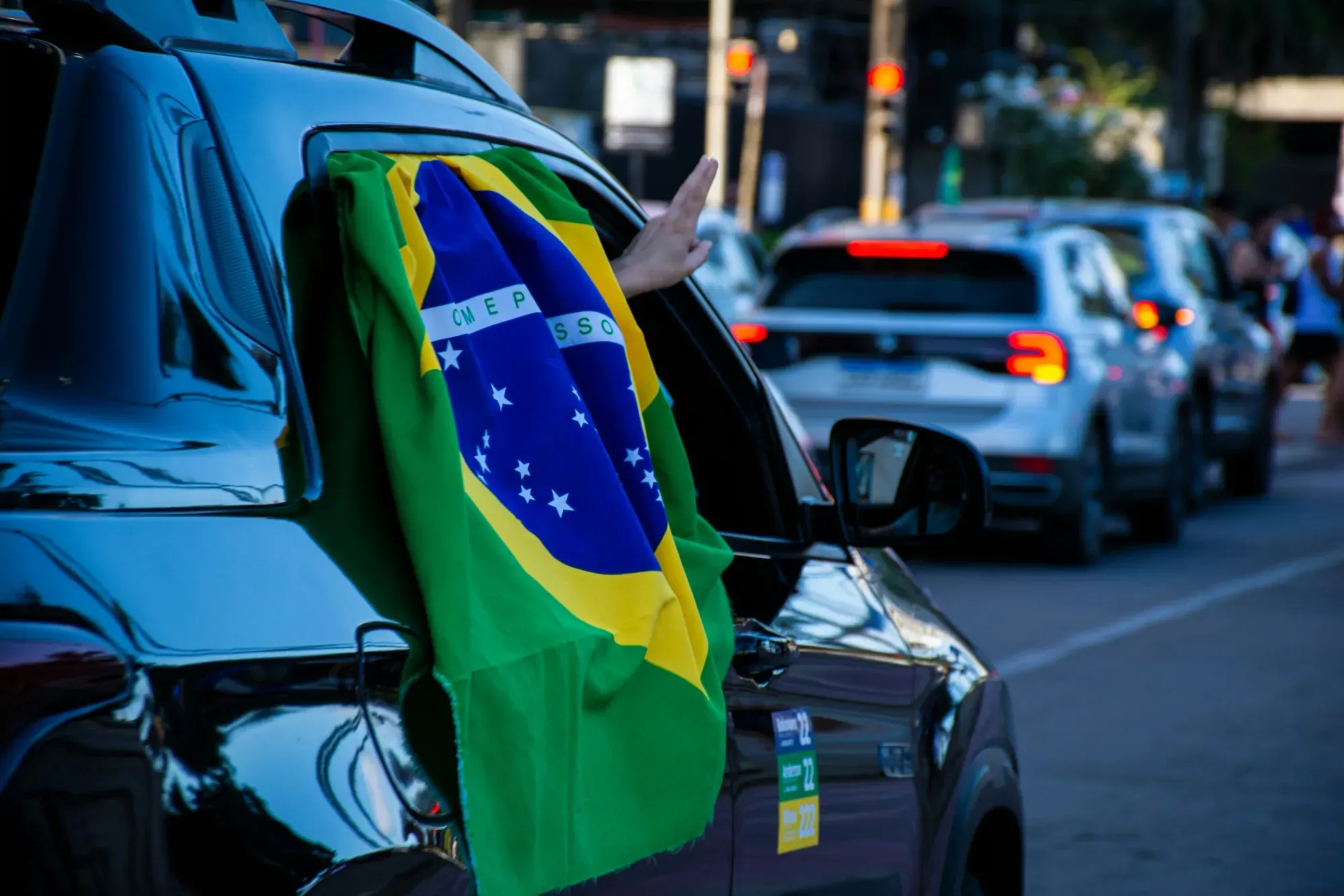
The Brazilian Securities and Exchange Commission, CVM, this week gave a green light to B3 to become the first prediction market operator in Brazil. B3 plans to launch in the first quarter this year, per BNL Data.

CVM will initially restrict the event trading to professional investors with assets of more than R$10 million. B3 will initially offer binary options including “yes” or “no” scenarios on the dollar, Ibovespa and bitcoin.

“The world of derivatives is increasingly approaching the frontier of the predictive market,” B3 President Gilson Finkelsztain said in an interview with Valor.

Brazil prediction markets grey area

The CVM regulation keeps B3 under securities rather than Brazil’s sports betting framework. Brazilian online gambling launched last year under the Ministry of Finance’s Secretariat of Prizes and Bets.

While this is the first federally approved prediction market, there are other options in Brazil, according to BNL.

And like the US, there is disagreement over regulation of the prediction markets. Along with the CVM, they could fall under the Central Bank or the Ministry of Finance. There are already other operators offering futures markets in a regulatory grey area, like Previas and Palpitada. Futuriza announced a launch in March, offering Brazilians options on political, economic, sports and entertainment markets.

Major prediction markets with their feet in the US have not ventured to Brazil. Kalshi, however, is potentially looking to launch in Brazil this year.

Are Brazil prediction markets headed for US-like situation?

In the US, prediction market operators are operating under the purview of the federal Commodity Futures Trading Commission. Under that regulation, the operators contend they can offer event trading nationwide.

However, state gambling regulators have taken issue with the markets, particularly sports event trades. There are more than 20 lawsuits pending involving prediction market operators, primarily Kalshi. As the lawsuits work their way through the court system, some state legislatures are also looking at potential prohibition or regulation of the prediction markets. However, those laws would likely carry minimal weight until a Supreme Court ruling settles the issue.

Kalshi is fighting state bodies that argue sports event trades are circumventing state gambling laws. Kalshi said its CFTC regulation preempts state laws and regulations. Multiple judges have ruled in favor of the state regulators as the cases work their way through the court system, including in Maryland, Massachusetts, New Jersey and New York.

This week, the Ninth Circuit Court of Appeals ruled in favor of the Nevada Gaming Control Board, allowing it to ban Kalshi from offering sports contracts in Nevada. Approximately 90% of Kalshi’s trading volume is on sports. The appellate court backed a judge’s ruling from November.

Kalshi did secure a victory in California, where tribes argue the operator is violating the Indian Gaming Regulatory Act. In November, a judge ruled in that case that the CFTC’s regulation of event markets means the event contracts are not bets and therefore do not violate IGRA.

Source: https://igamingbusiness.com/legal-compliance/regulation/brazil-prediction-markets-b3-approval/

Trump Promises UFO Files Release—Prediction Market Odds On Aliens Climb
News
Prediction MarketCelebritiesAnecdote

Trump Promises UFO Files Release—Prediction Market Odds On Aliens Climb

Trump vows to declassify UFO files after sparring with Obama, sending “alien disclosure” odds surging on prediction markets despite Pentagon skepticism.

PoliticsPop Culture

After chatter swirled online over comments from former President Barack Obama about aliens being “real”, President Donald Trump fired off a Truth Social post late Thursday promising to direct the Secretary of War and other agencies to begin identifying and releasing government files on extraterrestrials, unidentified aerial phenomena (UAP), and unidentified flying objects (UFOs).

Trump made the declaration after he accused Obama earlier in the day of revealing classified information when the former president said “aliens are real” on a podcast last week.

“He’s not supposed to be doing that,” Trump told reporters aboard Air Force One.

When asked if he also thinks aliens are real, Trump said: “Well, I don’t know if they’re real or not.”

Declassification Or Déjà Vu?

For long-time Trump watchers, comments on extraterrestrial life are not new.

During his first term, Trump acknowledged being briefed on UFO sightings by Navy pilots and said, “I want them to think whatever they think.”

Former U.S. Presidents have flirted with UFO transparency before. Bill Clinton has admitted that he sent federal agents to find out if aliens were hiding out at Nevada's so-called Area 51.

However, in a 2024 report, the Pentagon said there was “no evidence” that the U.S. government had encountered alien life, and that most UFO sightings were just ordinary objects.

Prediction Market Alien Odds Climb

Traders in prediction markets focused on “alien disclosure” have remained skeptical so far, citing a lack of concrete policy movement or verifiable evidence. But Trump’s Thursday remarks moved the needle to some extent.

On Polymarket, the contract “Will the U.S. confirm that aliens exist before 2027?” saw its implied probability climb from roughly 11% to the low-20s in the hours after Trump's announcement, with total trading volume approaching well over $4.3 million.

Contracts on Kalshi also saw a similar uptick. The odds of the U.S. confirming aliens before 2027 jumped from 17.3% on Feb. 19 to 28.4% at last check, with trading volume at $4.8 million.

Source: https://www.benzinga.com/markets/prediction-markets/26/02/50742848/trump-promises-ufo-files-release-prediction-market-odds-on-aliens-climb

Sports Leagues Warm To Prediction Markets After Federal Backing
News
InsightSports-NFLSports Insight

Sports Leagues Warm To Prediction Markets After Federal Backing

With federal regulators suddenly willing to defend prediction markets, major US sports leagues are quietly softening their opposition in a pivot that closely mirrors their historic, lucrative embrace of sports contracts.

PoliticsSports

Sports leagues that once warned prediction markets posed integrity risks are striking a different tone as the regulatory picture shifts.

It comes as the Commodity Futures Trading Commission signals it is prepared to defend sports event contracts as federally regulated derivatives, a stark departure from its previous hands-off approach.

The shift mirrors the industry’s posture toward sports betting a decade ago, when fierce opposition gave way to commercial embrace once legalization and the revenue tied to it became inevitable.

NBA signals a softer approach

That shift was visible during NBA All-Star Weekend, as executives from Kalshi and Polymarket appeared on a panel at the league’s Tech Summit, an invite-only gathering that included league partners and sportsbook executives.

Commissioner Adam Silver, speaking during the weekend, acknowledged the exchanges’ rapid rise and their growing proximity to the league’s betting ecosystem.

“Obviously, it’s an issue that I’m paying [an] enormous amount of attention to,” Silver said. “It’s rapidly evolving. Prediction markets have now come on the scene fairly recently as, I don’t know how else to say it, major sports betting marketplaces.”

The league has not struck a formal partnership with prediction market platforms. But its willingness to host executives, platform operators, and sportsbook stakeholders in the same forum reflects a markedly different posture than it held just months ago.

In a letter to federal regulators last year, NBA counsel warned prediction markets posed integrity risks “more significant and more difficult to manage than those presented by legal, regulated sports gambling.”

Prediction markets viewed as betting

Silver also addressed Milwaukee Bucks forward Giannis Antetokounmpo’s recent ownership stake in prediction market platform Kalshi.

“We have a rule that was collectively bargained with the Players Association that players can make, I will call them, de minimis investments in sports betting companies, and we’re applying the same rule to prediction markets,” Silver said.

Kalshi said Antetokounmpo, who is participating in marketing campaigns tied to the partnership, is prohibited from trading on NBA-related markets. Critics, however have pointed to the optics of active contracts tied to his own career, including markets on which team he will play for next that have generated more than $23 million in trading volume since December.

CFTC rises to predictions’ defense

CFTC Chairman Michael Selig this week defended prediction markets in a Wall Street Journal op-ed and announced the agency will actively support them in a myriad of state lawsuits seeking to stop them.

He confirmed the agency filed an amicus brief supporting Crypto.com in federal appeals court and signaled the commission would no longer “sit idly by” while states attempt to block the products. Selig doubled down publicly, posting a video stating the agency would “fiercely defend” prediction markets’ legality. He emphasized prediction markets as tools that help everyday Americans hedge risk and evaluate information, citing weather and energy contracts and framing the exchanges as a check on the free press.

He made no mention of sports markets, which account for more than 86% Kalshi’s total trading volume over the past year. Weather and energy categories, by contrast, combine for roughly 2%.

The stance marks a sharp departure from Selig’s confirmation testimony just months earlier, when he declined to take a position on whether sports event contracts constituted gambling, saying he would “look to the courts” and that it would be “irresponsible” to prejudge the issue.

More than 30 states, tribal gaming groups, and the American Gaming Association have backed lawsuits alleging prediction markets constitute unlicensed sports betting, testing whether federal commodities law preempts state gambling statutes. Those lawsuits remain active, with many observers expecting the jurisdictional fight to ultimately reach the Supreme Court.

NFL observing ‘fan engagement’ tool

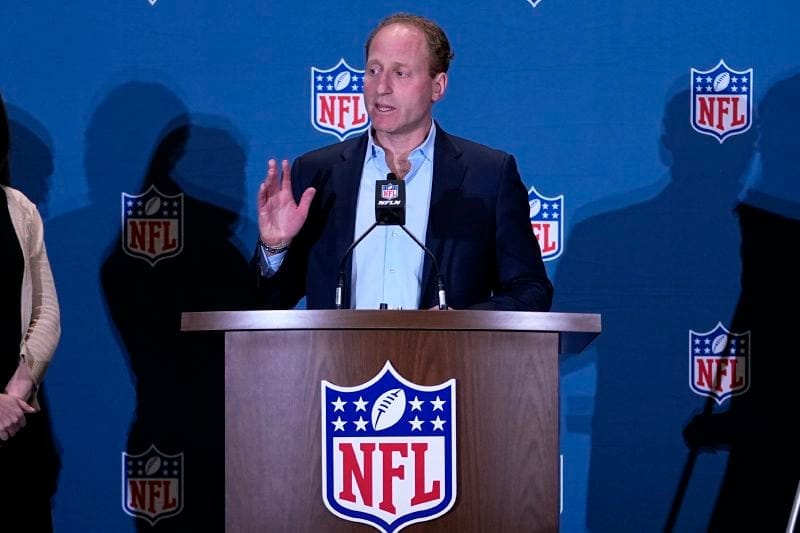
In an interview with Front Office Sports, NFL Executive VP of Communications Jeff Miller offered a more receptive view of prediction markets, while noting the regulatory landscape is still evolving.

“It’s innovative, that marketplace is dynamic,” Miller said. “… It is a fan engagement tool, there’s no question around that, and that’s been good for the league.”

That’s not quite the same tone Miller struck last year when he warned Congress about the risk of betting markets that don’t follow the same standards as the league’s sportsbook partners.

“We are particularly troubled that several sports-related futures contracts have been launched nationwide, including in jurisdictions where sports betting has not been legalized,” he told lawmakers at the time. “These contracts fall outside the purview of state regulatory authorities and the safeguards they impose upon the industry.”

MLB evaluates prediction markets

Speaking at owners meetings last week in Palm Beach, MLB Commissioner Rob Manfred said the league has already briefed clubs on the mechanics of event contracts and the potential role platforms could play in detecting suspicious betting activity.

“We thought it was important for the owners to be updated on why prediction markets are different than sports betting, why we might want to consider being in business with prediction markets in an effort to protect our integrity, to get the kind of protections we need,” Manfred said.

Last summer, MLB circulated a memo warning teams and players that the league’s existing gambling policies applied to prediction markets and that participation carried the same restrictions as traditional sports wagering.

“Any expansion of betting markets, particularly those outside of the established regulatory framework, raises serious questions about game integrity and oversight,” the league said in comments filed with the CFTC last year.

The NHL and MLS formalized partnerships last year with prediction markets, reflecting a more long-standing open posture than some of their larger counterparts. Meanwhile the Chicago Blackhawks and New York Rangers maintain their own club-level partnerships.

Leagues once fought sports betting

League engagement with prediction markets follows a posture shift the industry has navigated before.

Professional sports leagues were among the most vocal opponents of legalized wagering during the fight over the Professional and Amateur Sports Protection Act.

The NBA, NFL, MLB, NHL, and NCAA jointly sued New Jersey in after the state moved to legalize betting, arguing it threatened game integrity. As it became increasingly likely the Supreme Court would strike down PASPA, league posture began to shift.

In 2014, Silver famously authored a New York Times op-ed calling for federal legalization and regulation of sports betting, breaking from the league consensus that had backed the litigation.

After the ban fell in 2018, leagues formalized sportsbook partnerships, signed official data agreements, and integrated betting content across broadcasts and digital platforms. By the 2023–24 season, the NBA alone generated an estimated $160 million annually in gambling sponsorship revenue.

Source: https://www.legalsportsreport.com/255037/sports-leagues-warm-to-prediction-markets-after-federal-backing/

CFTC Faces More Pushback From States Over Prediction Markets
News

CFTC Faces More Pushback From States Over Prediction Markets

The Commodity Futures Trading Commission is facing opposition from states over its bid to be the sole regulator of prediction markets.

Politics

The Commodity Futures Trading Commission is facing more opposition from states over the agency’s bid to be the sole regulator of prediction markets.

Utah Governor Spencer Cox said Tuesday that he would exhaust the resources of his office to push back against the CFTC after Chairman Michael Selig asserted the agency had “exclusive jurisdiction” over exchanges like Kalshi Inc. and Crypto.com.

At the core of the battle is whether prediction markets should be considered federally-regulated derivative exchanges, as the companies and the CFTC argue, or betting platforms regulated by the states.

“Mike, I appreciate you attempting this with a straight face, but I don’t remember the CFTC having authority over the ‘derivative market’ of LeBron James rebounds,” Cox said in a post on X. Gambling is prohibited in Utah.

His comments come after Selig wrote in a Wall Street Journal op-ed the agency would file a friend-of-the-court brief backing Crypto.com’s position in the Ninth US Circuit Court of Appeals.

“The CFTC will no longer sit idly by while overzealous state governments undermine the agency’s exclusive jurisdiction over these markets,” Selig said on Monday.

Utah has previously joined amicus briefs in cases against Kalshi and numerous state regulators have filed legal challenges against the industry.

The comments mark the latest embrace of prediction markets, where customers place wagers on everything from sports to the weather, from the agency head.

Selig, who was sworn in as chair in December, had called prediction markets a “complex issue” when asked at his confirmation hearing in November whether CFTC regulations prohibit gaming.

“Really, to the extent that any of these event contracts constitute gaming, of course, you know, that is a question for the courts,” he said at the time. Since taking the top job at the regulator though, he has embraced the industry.

“Strong disagree,” Selig posted on X earlier this month when former New Jersey Governor Chris Christie said that he believed the event contracts violated state laws. Christie now serves as an adviser to the American Gaming Association.

Selig also said last month the CFTC would craft new rules for the multi-billion dollar industry, which has surged since the agency lost a challenge in 2024 to keep the wagers at bay under then Chairman Rostin Behnam.

Carl Kennedy, a former special counsel at the regulator, said Selig defending the agency’s turf is not a surprise and that Congress gave the CFTC and the Securities and Exchange Commission broad authority to work together to define swaps.

“He’s thinking of that clear mandate,” Kennedy said.

Source: https://www.bloomberg.com/news/articles/2026-02-17/cftc-faces-more-pushback-from-states-over-prediction-markets

Wall Street Wants to Bring Election Bets Into Brokerage Accounts
News
RegulatoryElectionAnecdote

Wall Street Wants to Bring Election Bets Into Brokerage Accounts

Economics & FinancePolitics

Roundhill Investments has asked the US Securities and Exchange Commission for permission to launch six ETFs that would let investors wager on US election outcomes through standard brokerage accounts — the most ambitious attempt yet to bring prediction markets into mainstream finance.

The proposed exchange-traded funds, disclosed in a filing on Feb. 13, cover presidential, Senate and House races across both parties. The tickers — BLUP, REDP, BLUS, REDS, BLUH and REDH — track funds with names like Roundhill Democratic President ETF and Roundhill Republican Senate ETF.

Each fund would hold event contracts, a class of derivatives that settle at either $1 or $0. Pick the winning party and the contract pays out. Pick wrong and the contracts settle at zero, but the fund rolls into the next election cycle and resets — presidential ETFs from 2028 into 2032, congressional funds from 2026 midterms into 2028.

“This is yet another example of pushing the ETF envelope,” said Todd Sohn, chief ETF strategist for Strategas. “ETFs are usually involved whenever there is a ‘hot’ asset or new way to gain exposure. It just takes one filing to get the ball rolling and prediction markets are the next forefront.”

Source: Dune Analytics (@datadashboards)

Note: Data as of week of Feb. 9, 2026.

The filing comes after the Commodity Futures Trading Commission on Feb. 4 formally withdrew a Biden-era proposal that would have banned political event contracts, with Chairman Michael Selig saying the prior administration had overstepped by trying to ban the contracts outright. He pledged new rules grounded in “responsible innovation.”

On Monday, Selig went further, writing in the Wall Street Journal that the CFTC would file a friend-of-the-court brief supporting Crypto.com against state regulators seeking to shut down event-contract markets. On Tuesday, the official X account of Selig posted a video warning that anyone seeking to challenge the commission’s authority would face legal action, saying: “We’ll see you in court.”

Prediction markets have already proved demand for trading election probabilities. Polymarket and Kalshi, the two dominant platforms, processed billions of dollars with weekly trading volumes surpassing $4.5 billion in February, with the 2024 presidential election serving as the breakout moment.

But those platforms still require dedicated accounts, crypto wallets or specialized on-ramps. An ETF wrapper could change the distribution math for prediction bets entirely. It would place political event contracts inside the $14 trillion US ETF ecosystem — accessible to registered investment advisers, model portfolios and self-directed retail investors through traditional brokerage platforms.

That’s the gap Roundhill is targeting. The prediction market platforms proved the concept. The ETF wrapper would provide the plumbing to scale it.

The filing makes clear that the fund aligned with the losing party “will lose substantially all of its value” on its settled contracts, before the fund reprices around the next cycle’s new positions. The volatility dynamics are more familiar to sportsbooks than traditional asset managers — sharp swings around debates, legal rulings, polling shocks and election night itself.

The filing leaves key questions unanswered, but if the SEC blesses an ETF wrapper for political event contracts, the framework could potentially extend to any binary or bounded outcome: economic data releases, geopolitical events, policy decisions, corporate earnings surprises.

“It’s difficult to see the value-add,” said Jackson Gutenplan, market structure research analyst at Bloomberg Intelligence. “The ETF wrapper provides a retail-accessible and friendly vehicle. But prediction markets are primarily a retail product, and already anyone in the US can gain economic exposure to these outcomes.”

Approval would also land in the midst of regulatory conflict. Kalshi is being sued by multiple state gaming authorities — Nevada, New Jersey and Massachusetts among them — arguing that event contracts are gambling subject to state law, not federally regulated derivatives.

The ETF industry has spent the last decade absorbing once-niche strategies into the fund structure, from volatility futures to private credit to spot Bitcoin. Each expansion tested the boundary of what the wrapper could contain while still being marketed as an investment product. Political event contracts would test that perimeter further.

Roundhill knows the terrain. The firm runs dozens of ETFs spanning AI, single-stock options strategies and the Magnificent Seven. Now, what it’s proposing isn’t a bet on companies that facilitate gambling — it’s a wrapper around the gamble itself.

Source: https://www.bloomberg.com/news/articles/2026-02-17/wall-street-wants-to-bring-election-bets-into-brokerage-accounts

Rules & Mandates - CFTC defends its right to prediction market enforcement as states challenge platforms
News
RegulatoryRules & MandatesPrediction Market

Rules & Mandates - CFTC defends its right to prediction market enforcement as states challenge platforms

CFTC Chairman Michael Selig said the agency has filed an amicus brief in federal court to assert its authority over prediction market enforcement and regulation.

Politics

The Commodity Futures Trading Commission filed an amicus brief in federal court on Tuesday to assert the agency’s right to enforce prediction markets instead of individual states, according to its new chairman, Michael Selig.

Selig argued in a Monday Wall Street Journal op-ed that the CFTC has always had authority over prediction markets and determining whether the event contracts constitute gambling, as critics allege. Selig noted nearly 50 active legal cases against prediction markets and said the CFTC would be stepping in to prevent state encroachment.

“The CFTC will no longer sit idly by while overzealous state governments undermine the agency’s exclusive jurisdiction over these markets by seeking to establish statewide prohibitions on these exciting products,” he wrote.

The move comes as prediction markets like Kalshi and Polymarket face legal challenges in multiple states over event contracts. The platforms allow users to bet on the outcomes of events in pop culture, sports, entertainment and more.

Critics of prediction markets have argued that the offerings amount to little more than gambling, though Kalshi has defended its platform and argued that it abides by federal regulations. Sports betting on the prediction platforms has drawn comparisons to legalized sports betting in the U.S.

In his first public comments as CFTC chairman at the end of January, Selig said he was prepared to draft new, clear rules to govern prediction markets and revisit the agency’s rules on involvement in federal and circuit court cases.

“Where jurisdictional questions are at issue, the Commission has the expertise and responsibility to defend its exclusive jurisdiction over commodity derivatives,” he said at the time.

In his Monday op-ed, Selig said event contracts “serve legitimate economic functions” and operate under CFTC rules as “swaps” rather than gambling. He also posited that trading on event contracts is beneficial for the market and for Americans at large.

“These exchanges aren’t the Wild West, as some critics claim, but self-regulatory organizations that are examined and supervised by experienced CFTC staff,” Selig wrote.

In a Tuesday video posted to X, Selig said his message to those who challenge the CFTC’s authority is clear: “We will see you in court.”

“Today, the CFTC is taking an important step to ensure that these markets have a place here in America and have the integrity and resilience and vibrancy that our derivative markets deserve,” he said.

Selig said the amicus brief would be filed in the Ninth U.S. Circuit Court of Appeals in support of Crypto.com in its dispute with the Nevada Gaming Control Board.

We could not verify that the amicus brief had been filed.

Source: https://www.cnbc.com/2026/02/17/cftc-defends-prediction-market-enforcement-states-challenge.html