Alibaba Group Holding Ltd. released its biggest ever AI model, claiming performance on par with global leader Anthropic PBC in the latest Chinese breakthrough to challenge US rivals.
The new Qwen3.8-Max is built on 2.4 trillion parameters, a measure of a model’s sophistication, and ranks higher on several benchmarks than the headline-grabbing Kimi K3 from Moonshot that was recently unveiled. Alibaba shared results showing it delivering comparable or sometimes better scores than Anthropic’s Fable 5, a cutting-edge artificial intelligence model that was temporarily put under export controls by the US due to its advanced capabilities.
The debut comes days after Moonshot’s Kimi sent ripples through stock markets and Silicon Valley as it showed Chinese developers quickly catching up with the top models crafted by Anthropic and OpenAI despite relatively constrained computing resources. DeepSeek also just expanded access to its latest model, V4 Flash, while ByteDance Ltd. and MiniMax Group Inc. unveiled new video generators on Friday.
“Many investors continue to underestimate Chinese AI models because of US chip restrictions or general skepticism,” said Vey-Sern Ling, managing director at Union Bancaire Privée. “In reality, the gap is probably much closer, and narrowing fast. Alibaba’s Qwen 3.8 is another proof point, following Kimi K3.”
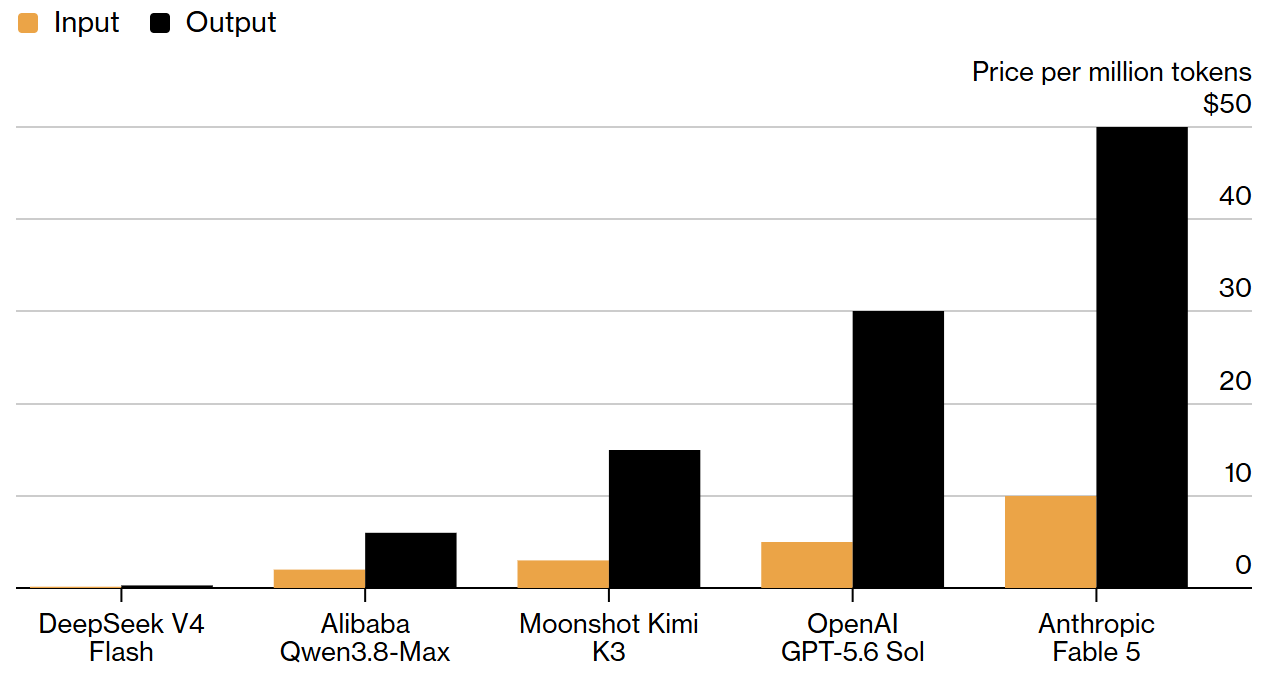
Alibaba's New Flagship AI Model Comes With Attractive Pricing. Source: Bloomberg
Alibaba’s shares surged by 7% in Hong Kong on Monday, the most in nearly a month.
The Hangzhou-headquartered internet pioneer will release the Qwen3.8-Max weights for public download next week, which will allow users to customize the technology, marking the next major move in the intensifying race among China’s AI contenders that include DeepSeek, Z.ai and ByteDance.
Alongside Kimi K3 at 2.8 trillion parameters — akin to brain synapses that help an AI system store, process and respond with the help of more information — Alibaba is delivering one of the biggest models to date. Also like Moonshot, however, Alibaba uses an approach that only activates a small proportion of the full parameter set per task, to maintain efficiency.
While DeepSeek’s latest is by far the most affordable among new marquee releases, Alibaba’s Qwen offering is also priced aggressively at $2 per one million input tokens and $6 per million outputs. Each AI system will use a different number of tokens to handle tasks, but that still makes Alibaba’s model look attractive compared to the best from the US leaders.
The new Qwen3.8-Max performs well in autonomous coding and long-horizon execution, and was able to independently perform a software engineering project over 16 days in internal testing, Alibaba said. Reducing performance degradation over long tasks or conversation is an ongoing challenge for AI developers as their models grow in complexity.
“Alibaba’s full stack of capabilities stands out,” Jefferies analysts Thomas Chong and Zoey Zong wrote after the release. With AI making an increasing contribution to revenue, “margin profile is expected to improve.”
Will lower-priced Chinese AI models led by Alibaba’s Qwen3.8-Max rank into top 3 global model in August 2026?
The rapid deployment of solar power is one of the greatest stories of the 21st century.
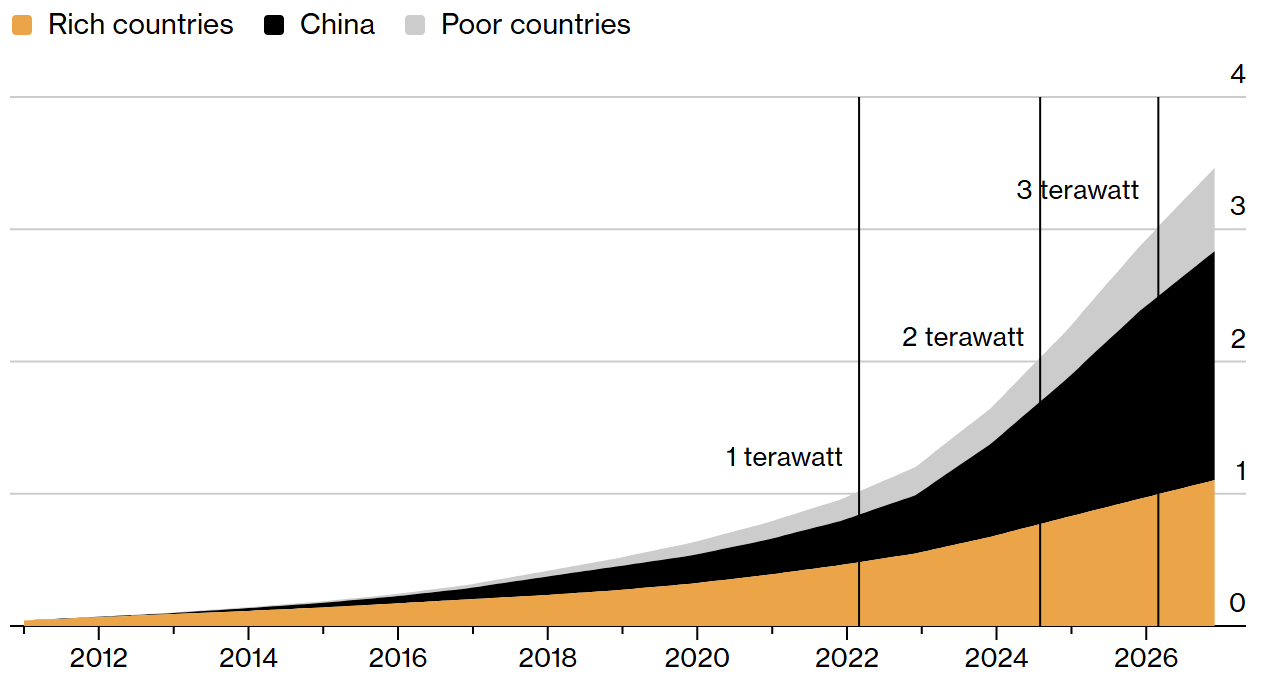
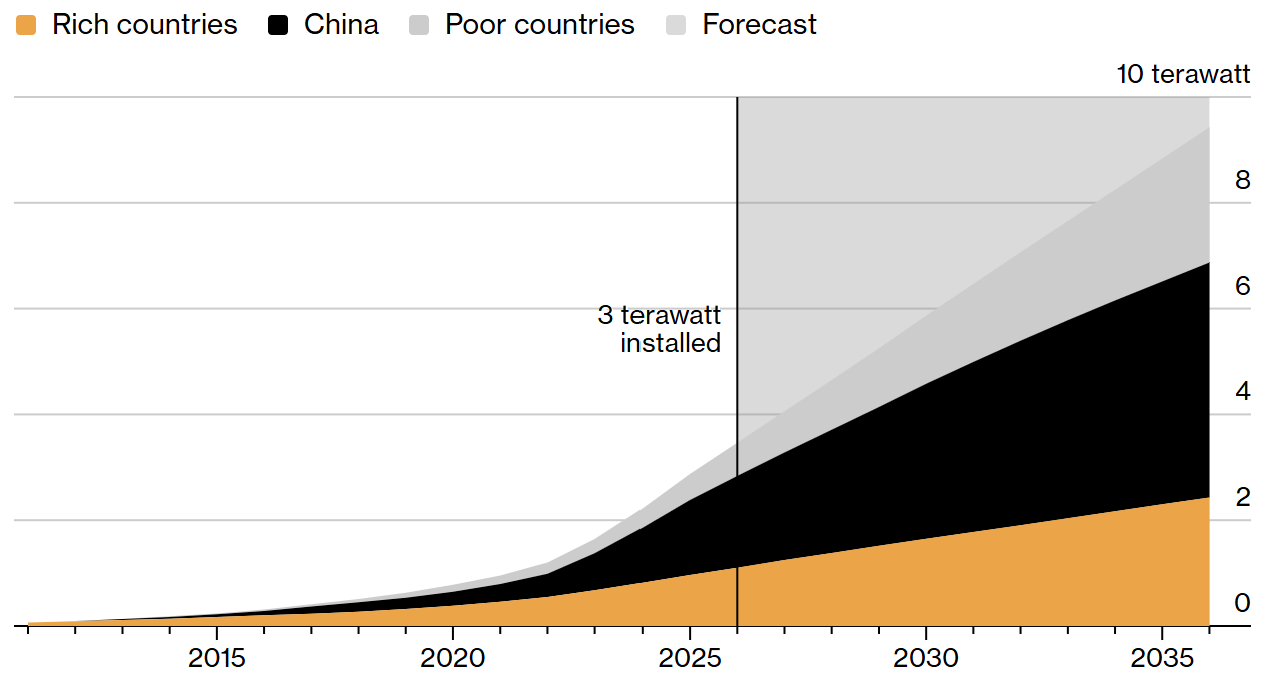
After crossing 100 gigawatts in 2012, the world took 10 years to install its first terawatt of solar capacity. The next terawatt, roughly enough to meet peak US electricity demand, took less than three years. Less than two years later, in 2026 — though analysts disagree on the precise timing — global capacity reached 3 terawatts.
Almost no one noticed.
Deployment of photovoltaics continues to speed up as the cost of panels falls. Source: BloombergNEF
For most people, solar growth is not experienced through statistics but through the growing number of panels appearing on rooftops and across the landscape. “Take a train anywhere, say in the UK, and you’re likely to spot solar panels,” said Lara Hayim, head of solar research at BloombergNEF.
The visual signal is only going to get stronger. Forecasters are so bullish about solar that, in just a few years, the 3-terawatt milestone will seem almost insignificant. BNEF expects the world to deploy more than 9 terawatts of solar by 2036.
The deployment of solar keeps setting new records at a rapid clip. Source: BloombergNEF
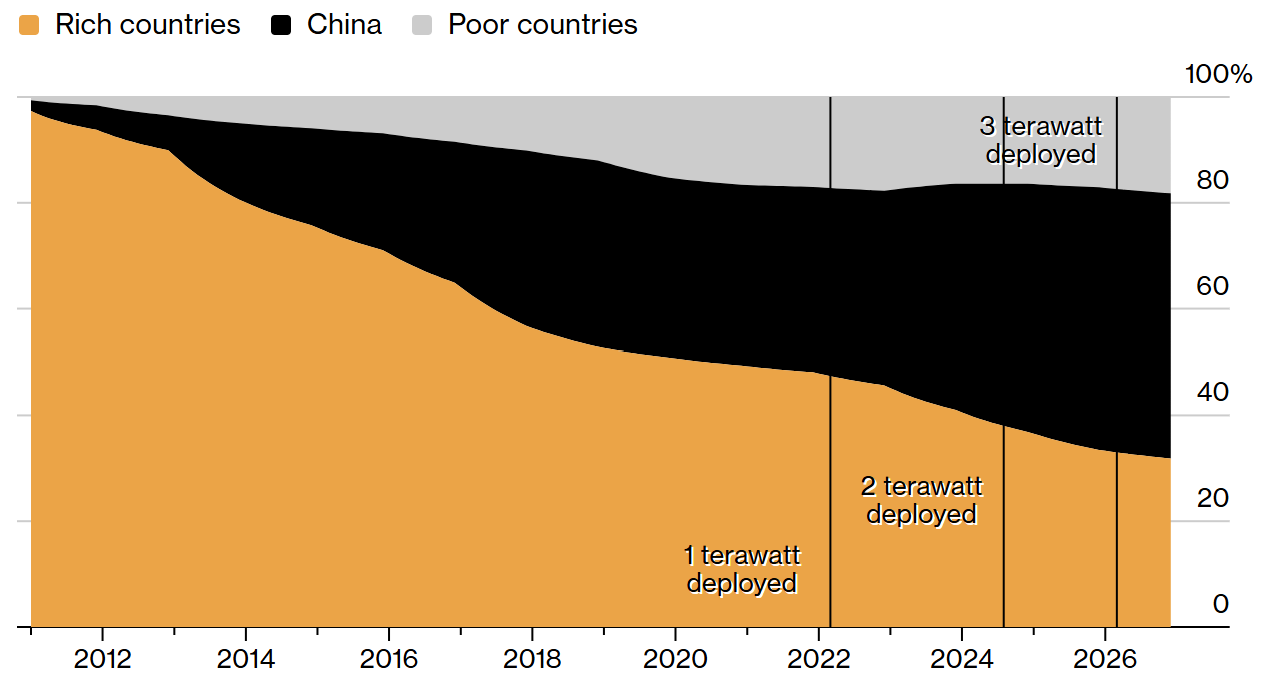
But dig in a little deeper and you’ll find interesting stories. The first terawatt was mostly rich countries subsidizing the installation of solar, with China and poor countries still finding photovoltaics too expensive. That story changed going into the second and third terawatt, with China taking the baton from rich countries.
Share of Global Solar Power. Source: BloombergNEF
The result is that, even as the world has added solar power at an accelerated pace, the share of deployment going to poor countries has largely stalled since 2020. China has clearly been the main driver of the global story, said Hayim. But disaggregate the numbers, and “you can now see solar booms in other countries too.”
In the past few years, countries like Pakistan, Nigeria and the Philippines have seen an extraordinary increase in the amount of solar power installed on rooftops. Some smaller markets, such as Cuba and Lebanon, have also seen rapid uptakes. It’s why the number of countries with at least 1 gigawatt of solar installed has grown to as many as 74 last year, up from 42 in 2020.
Some developing countries are seeing a rapid uptake of solar through rooftop installation at homes and businesses. Source: BloombergNEF
China’s solar deployment has been faster than the buildout of supporting infrastructure, such as transmission and batteries. That’s leading to more curtailment of solar production during peak hours, and thus a waste of resources. So analysts expect deployment in China to slow down. In its latest five-year plan, the country announced a series of measures to increase renewables consumption, rather than production, by more than 50%.
BloombergNEF expects that poor countries’ share of solar deployment will start growing again from this year onward. Most developing countries are starting with very low amounts of solar penetration in the grid and won’t hit the limits that China and other big adopters are facing now. By 2036, more than a quarter of all solar deployed will be in developing countries, with rich countries’ share falling to about 20%.
More of the world is installing photovoltaic panels at meaningful scales and reaping benefits of the cheapest source of electricity. Source: BloombergNEF
The boom in solar power has happened as countries have overcome local issues, from a lack of skilled workers to challenges of managing a grid with intermittent renewables. Still, Hayim says the main constraint for developing countries continues to be the lack of accessible financing.
Will developing countries drive more global solar additions than advanced economies by 2030?
YesResult
63.02%
NoResult
36.98%
457 Polls
EndedTBD
There is, however, a theoretical upper limit to how much solar can be added to the grid. That’s because, once solar power meets all the demand during the daytime, adding more is of no value. Countries such as Australia and regions like California, which have among the highest solar penetration, regularly set negative electricity prices during the daytime, signaling there’s too much solar power on the grid.
Lithium-ion batteries can help extend the solar boom for some time, absorbing excess power in the day and releasing it later in the evening. That’s what Australian policymakers have helped encourage through subsidies for home batteries. It’s also what’s starting to happen, regardless of policy support, in developing countries like Pakistan and the Philippines, where a battery boom is following a solar boom.
Without battery energy storage, the solar revolution is unlikely to continue. “Without enough energy storage, you cannot maximize solar’s potential,” said Hayim.
Apple is expected to raise prices on its next generation of premium iPhones this autumn as higher memory and processor costs squeeze margins across its hardware business.
The iPhone 18 Pro and Pro Max may cost $100 to $200 more than comparable current models, according to Bloomberg’s Mark Gurman. GF Securities analyst Jeff Pu has estimated a steeper increase of $250 to $300, citing higher prices for advanced processors, DRAM and NAND memory.
Will Apple raise the US starting price of the iPhone 18 Pro by at least $200 compared with the iPhone 17 Pro?
YesResult
73.71%
NoResult
26.29%
1,320 Polls
EndedTBD
Apple’s first foldable iPhone is expected to start at at least $2,000. More expensive camera systems, a complex foldable display and tighter manufacturing yields are likely to push its production cost well above that of a conventional iPhone.
The expected increases follow mid-cycle price rises across parts of Apple’s Mac and iPad portfolios. Chief Executive Officer Tim Cook has described the surge in memory prices as a “100-year flood,” while warning that silicon costs will also remain elevated.
Apple is responding by reshaping its semiconductor supply chain.
The company agreed in July to spend more than $30 billion with Broadcom Inc. under a multiyear agreement covering custom silicon and wireless-connectivity components. The partnership is expected to produce more than 15 billion chips in the US, strengthening Apple’s domestic supply base even as component costs rise.
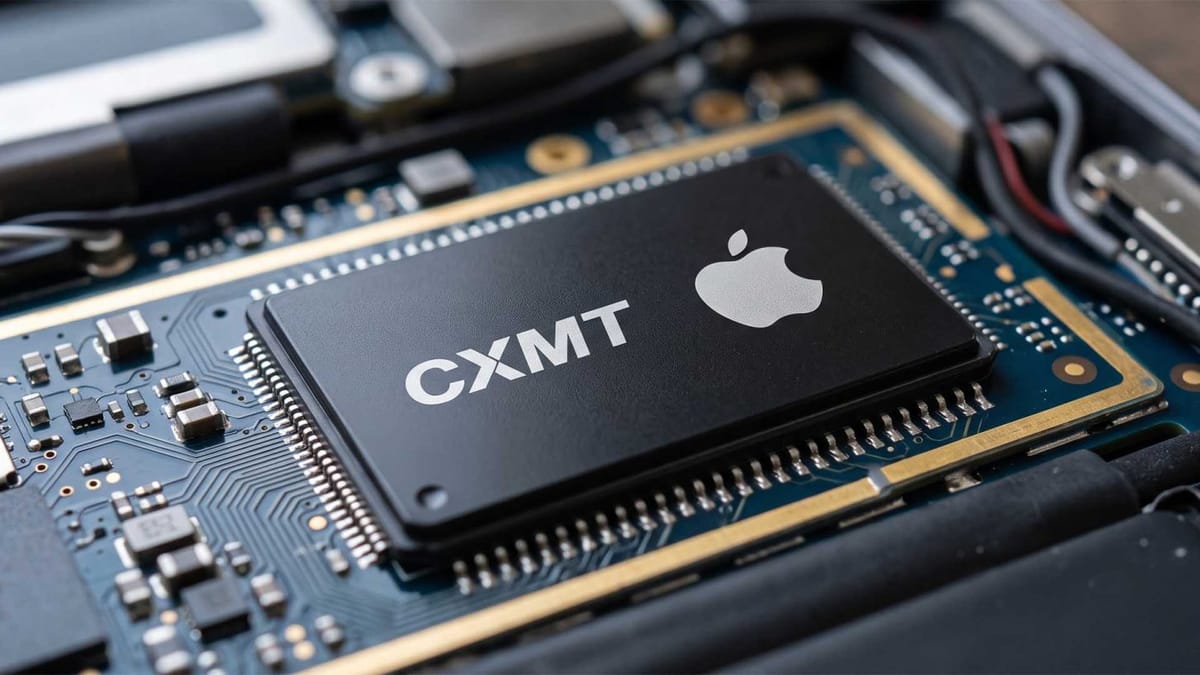
At the same time, Apple has begun testing DRAM chips from China’s ChangXin Memory Technologies (CXMT), for devices sold in China. The move would give Apple another potential source of memory as supplies tighten and prices rise, though the company would face US political and regulatory scrutiny over its use of a Pentagon-blacklisted supplier.
Apple’s interest has also drawn opposition from Micron Technology Inc. The US memory producer has argued against allowing Apple to purchase CXMT chips, while Apple has pushed for greater competition among suppliers to reduce its exposure to the shortage.
The dispute highlights the conflicting interests created by the memory crunch. Apple wants more supply and lower prices, while Micron and other established producers are benefiting from tight capacity and stronger pricing.
Apple may ultimately pass more of those costs on to buyers. A $100-to-$200 increase would broadly match its recent Mac and iPad adjustments, while a larger rise would suggest that the company is no longer willing to absorb semiconductor inflation through lower margins.
The iPhone launch will therefore be more than a test of Apple’s pricing power. It will show how the global shift toward AI infrastructure is reshaping the economics of consumer electronics, as chipmakers prioritize higher-margin data-center demand and device makers compete for tighter supplies. Apple’s response — diversifying suppliers, deepening domestic partnerships and passing more costs to consumers — could become a model for how the broader hardware industry adapts to a structurally more expensive semiconductor market.
Robinhood disclosed in its Q2 earnings report on July 29 that event contract revenue, including prediction market contracts, surged over tenfold year-on-year to $156 million. During the same period, stock trading revenue was $129 million, and cryptocurrency trading revenue was $100 million.
Prediction markets thus generated more revenue than Robinhood’s traditional stock and crypto trading businesses. At $776 million in total transaction-related revenue, prediction markets accounted for roughly 20%, becoming the second-largest business segment after options trading.
Will prediction markets continue to outperform Robinhood’s stock and crypto trading businesses till the end of 2026?
YesResult
40.71%
NoResult
59.29%
1,442 Polls
EndedTBD
Robinhood initially launched contracts tied to the 2024 U.S. presidential election results before expanding into sports and economic indicators. Sports have become one of the largest trading categories, with the Q2 World Cup effect in the U.S., Canada, and Mexico further boosting activity. Event contracts traded on Robinhood increased tenfold year-on-year to 13.6 billion cases in Q2.
The sluggish cryptocurrency market also fueled prediction market growth. Robinhood’s Q2 crypto trading revenue fell 38% year-on-year. In contrast, prediction markets resolve profits or losses immediately once an event’s outcome is confirmed, eliminating the need for long-term waiting. Mizuho Securities highlighted the speed of results and rewards as key drivers, noting prediction markets could partially replace crypto trading demand.
UK drugmaker AstraZeneca is in talks to combine with US rival Bristol Myers Squibb in a deal that would create one of the world’s biggest pharmaceutical groups, valued at nearly $400bn.
The companies have held discussions about a tie-up in recent months, according to people familiar with the matter. The talks could yield a deal in the near future but may be delayed or fall apart, the people said.
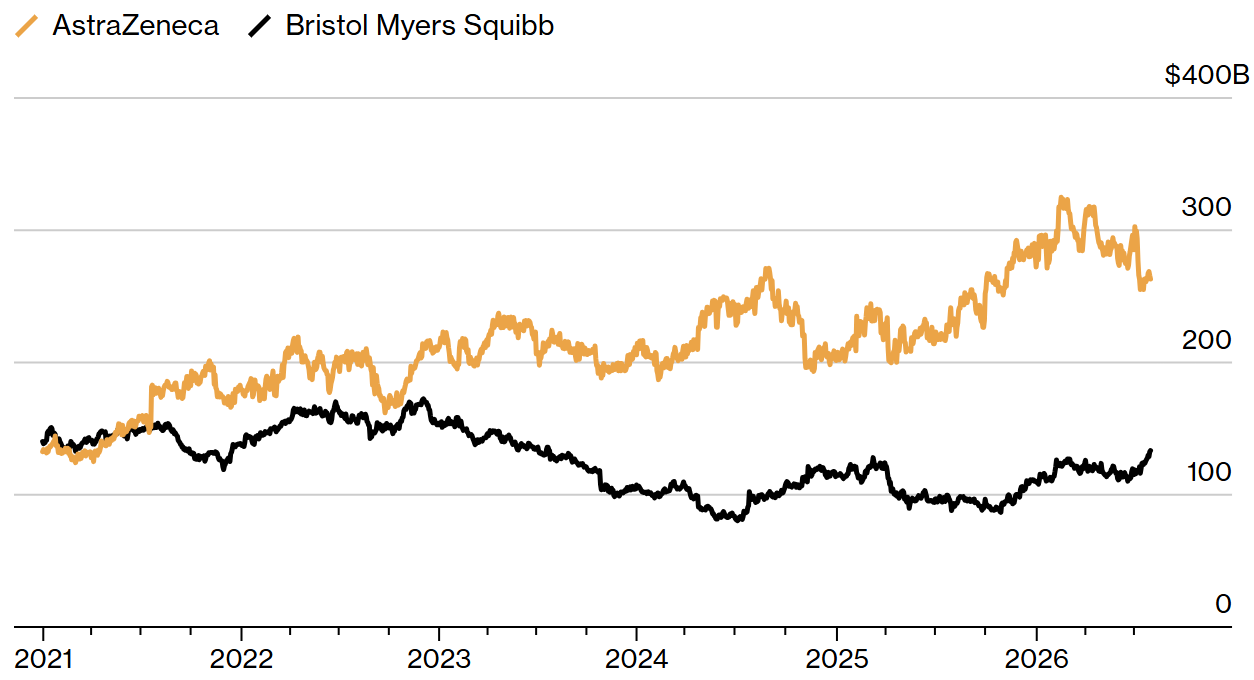
AstraZeneca, the UK’s second most valuable listed company, has a market value of about £196bn, while BMS is worth roughly $133bn. A combination of the two would be among the biggest pharmaceutical deals of all time, and propel the combined entity to become the world’s fourth-largest drugmaker by market capitalisation.
The talks come after FTSE 100 company AstraZeneca completed a direct listing in New York in June, in a blow to the London stock market.
UK-based drugmaker has become much more valuable than its US counterpart, shows market value of AstraZeneca’s US shares. Source: Bloomberg
Bristol is preparing for the loss of patent protection for some of its biggest products, including the blood thinner Eliquis and cancer drug Opdivo. Together, they make up about half of Bristol’s sales.
Last week, Bristol reported quarterly sales of $13 billion, its highest ever. The growth was primarily driven by newer products like the blood cancer treatment Breyanzi, Opdualag for skin cancer and the heart drug Camzyos.
AstraZeneca has set an ambitious revenue target of $80bn by 2030, compared with the $58.7bn it generated last year. That level of growth would depend heavily on the US market, where the company already earns nearly half of its revenues.
Any combination would come under tough antitrust scrutiny, given that both have large cancer divisions. Evan Seigerman, an analyst at BMO Capital Markets, said in a note on Sunday that the “significant business overlap” between the pharma groups’ cancer drug portfolios “could reduce the odds of a successful merger”.
Will an AstraZeneca–BMS transaction face antitrust intervention that delays or prevents closing by the end of 2027?
Imagine you opened your January power bill and found $281 on it. The month before, you’d paid about a hundred bucks. You’ve lived in that house nearly forty years.
This is not a made-up story, it’s what happened to John Steinbach. He lives in Virginia, where data centers took close to 40% of all the electricity the state consumed in 2024. A colder January and higher household consumption explain part of the jump.
The anecdote alone cannot isolate the effect of data centers, but it captures the question now confronting regulators across Virginia: how much of the grid expansion required by large new loads should appear on ordinary customers’ bills?
The electricity bill is the retail end of something that began in wholesale markets two years ago. Power traders and utility analysts have been repricing the AI boom since mid-2024. Equity markets caught up over the following year.
The live question now is who gets handed the invoice: the companies building the data centers, or every other customer on the grid. How that settles decides both how long the power trade runs and how much of it lands on your bill.
Has your own electricity bill jumped in the past year?
Yes, sharplyResult
29.78%
Yes, a littleResult
43.48%
No, about the sameResult
24.65%
It’s actually gone downResult
2.09%
1,343 Polls
EndedTBD
Here’s how the cost reaches you
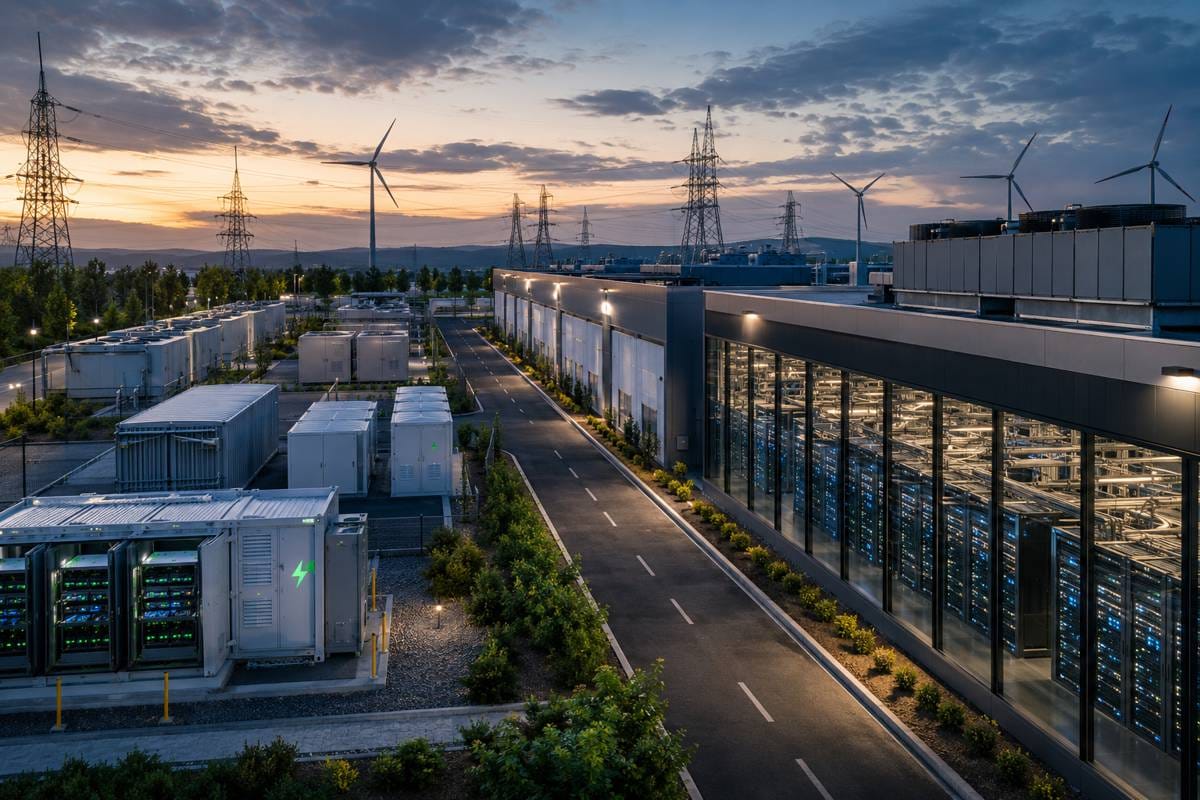
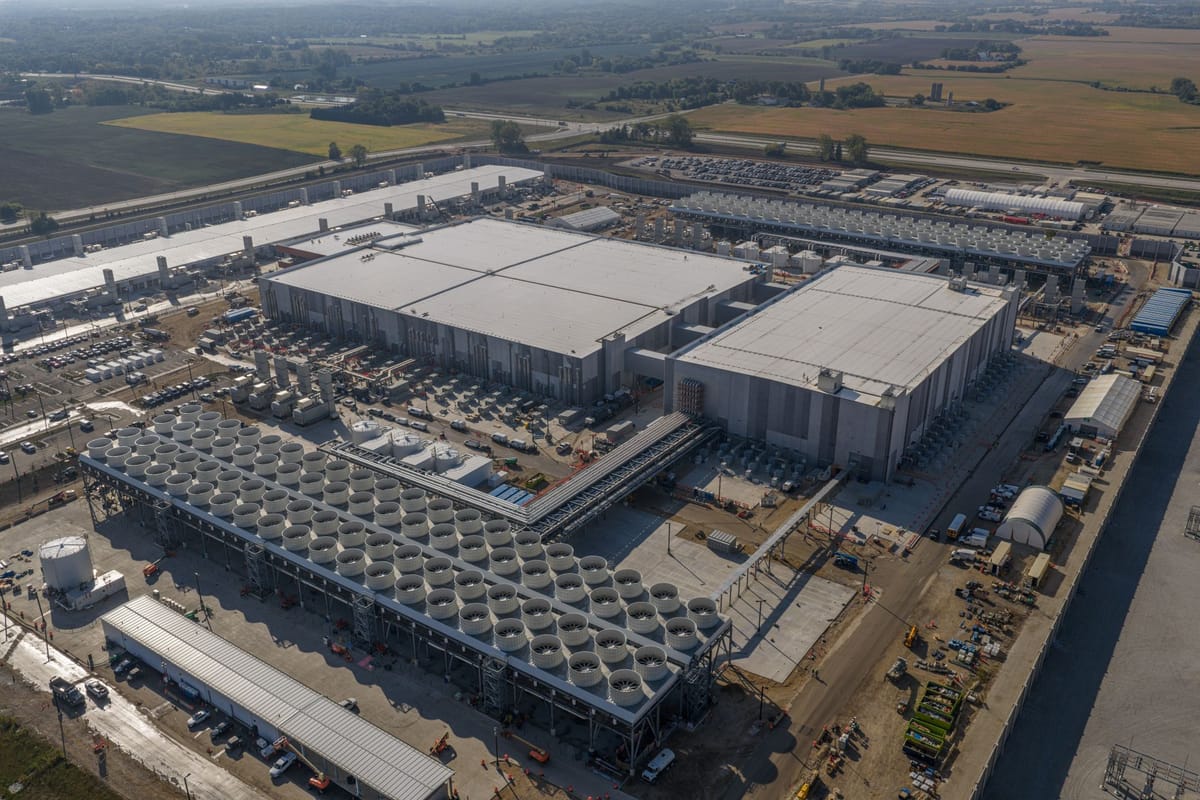
Data centers need power, a lot of it, and they need it reliable. The kind that doesn’t blink off when the wind dies down. This has turned nuclear and gas plants from sleepy dividend stocks into AI infrastructure bets (more or less) overnight.
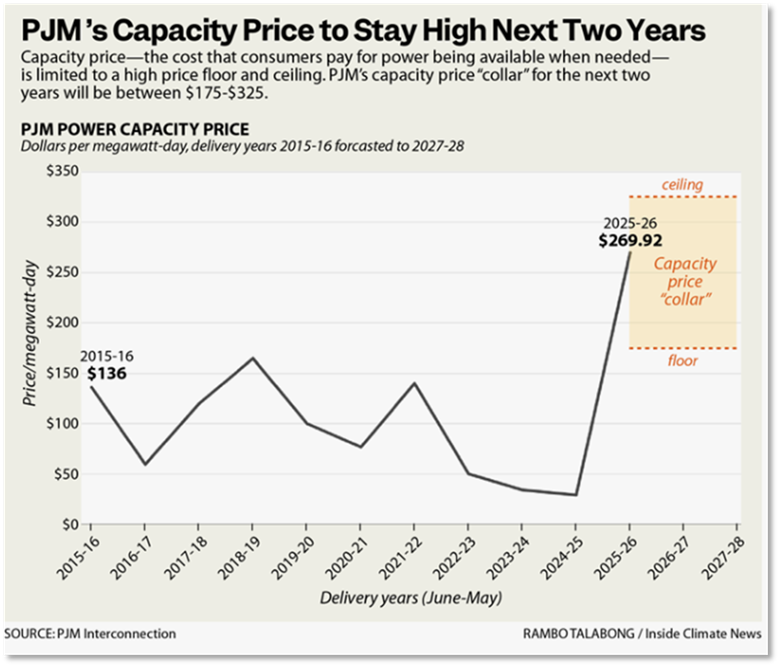
PJM, the grid operator covering 13 mid-Atlantic and Midwestern states, cleared capacity at $28.92 per megawatt-day for the 2024/25 delivery year, in an auction held back in December 2022. By the July 2024 auction, covering 2025/26, it had jumped nearly ninefold to $269.92. It has cleared at its administrative price cap in all three auctions since ($329.17, $333.44, $325).
PJM’s long-term load forecast projects 32 gigawatts of peak load growth between 2024 and 2030, with data centers responsible for 94% of it. In the December 2025 auction, PJM’s independent market monitor attributed $6.5 billion of the $16.4 billion cost, or 40%, to data center load, and roughly $6.2 billion of that to data centers that haven’t been built yet. This does not mean households immediately paid that entire amount, but it shows how speculative future load can affect today’s capacity procurement.
Constellation completed its approximately $21.8 billion acquisition of Calpine on January 7. Its Q1 revenue subsequently rose to $11.1 billion and GAAP net income reached $1.59 billion, although the comparison is heavily affected by the inclusion of the acquired Calpine business rather than representing purely organic growth.
Vistra reached investment grade in March, when Fitch upgraded it to BBB- citing an improved business profile and market fundamentals. The company noted the upgrade was supported by its 20-year power purchase agreements with Amazon and Meta, covering roughly 3,800 megawatts.
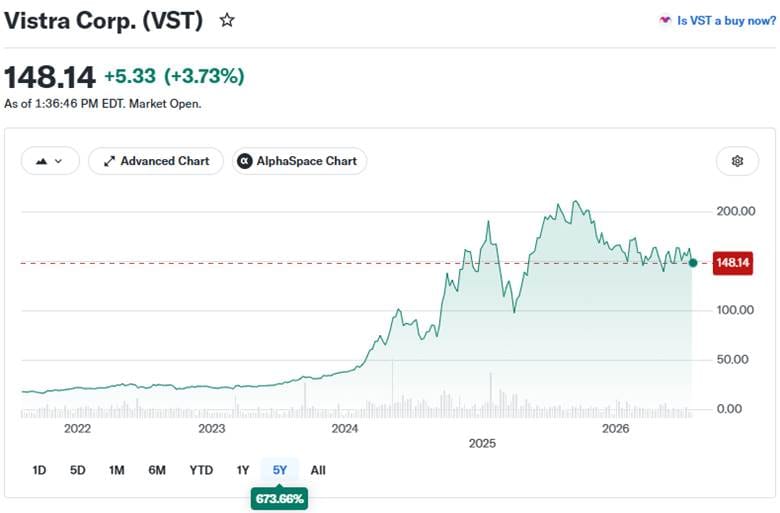
Much of this is already in the price. Vistra has returned roughly 670% over five years, and Constellation was trading at about 22 times forward earnings at the end of June, which is not a utility multiple.
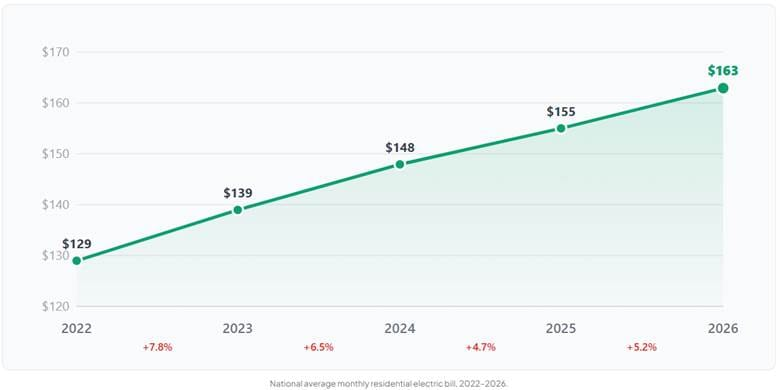
Nationally, residential electricity averaged 18.83 cents per kilowatt-hour in April 2026, up from 12.76 cents in 2020, a rise of nearly 50%. Goldman Sachs clocked 2025’s increase at 6.9%, more than double headline PCE inflation, and expects data centers to drive 40% of all electricity demand growth through the end of the decade.
Supply is only 30% to 50% of what a household pays, and the rest is delivery, taxes and fixed charges. Utility rates hit everyone, but at a slower and smaller price than the wholesale numbers imply.
But the data centers aren’t the only thing raising rates
Not so fast, say the skeptics, and they’ve got a few decent arguments.
First, data centers aren’t the only villain. A lot of the price pain predates the AI boom and comes from an aging grid, storm damage, and roughly $1.4 trillion in utility infrastructure spending that would be happening with or without AI.
PowerLines’ Charles Hua argues data centers have become the scapegoat because they’re the most visible new entrant, and that they aren’t the biggest reason bills have risen over five years.
Recent research gives the skepticism more weight. A June 2026 study estimated that data centers modestly lowered average U.S. retail electricity rates from 2015 through 2024 by spreading fixed grid costs over greater electricity sales. But the authors also warned that the result could reverse when supply and transmission become constrained. That distinction matters: data center demand is not automatically bad for ratepayers, but speculative growth built ahead of confirmed load can be.
Second, the fix may arrive before the bill does. States are beginning to shift more risk toward large-load customers: regulators in Virginia and Ohio have approved special tariffs requiring large data centers to make long-term payment commitments, while Oregon has used legislation and regulatory action to move in the same direction. As of May, 23 states had approved at least one large-load tariff, with another seven considering proposals.
More than 300 data center related bills were introduced across 30 states in the first six weeks of 2026, although they address a broader range of issues than ratepayer protection alone.
At the federal level, FERC has ordered all six regional grid operators under its jurisdiction to justify or reform their large-load tariffs, including mechanisms intended to prevent infrastructure costs from being shifted onto households when speculative projects fail to materialize. The direction is clear, but the final regional rules are still being developed. If these protections become standard, AI power demand could keep rising without households bearing the same share of the grid buildout.
Third, relief may come sooner than the doom headlines suggest. EIA’s July outlook has residential price growth decelerating from 5.7% in 2026 to 2.2% in 2027, and expects wholesale prices lower this summer than last on cheaper natural gas.
What breaks the trade?
PJM has proposed a one-time Reliability Backstop Procurement to address capacity that recent auctions failed to secure. An earlier design targeted approximately 14.9 GW, but the process and timetable have since been revised. Under PJM’s latest July plan, procurement would run from September 30 through October 21, with results expected in December, subject to FERC approval. The useful signals will be how much credible capacity participates, the cost of the contracts and how quickly winning projects can actually enter service.
Whether the demand is even real is a separate question. About $6.2 billion of the December auction’s cost was for data centers that don’t exist yet, and Goldman’s own forecast flags delays and cancellations as the main downside risk to how much capacity gets activated.
What finally decides your bill is the rate base. The March 4 Ratepayer Protection Pledge commits seven hyperscalers to fund their own generation and grid upgrades, but it is nonbinding, carries no audit mechanism, and an expanded version bringing in utilities and developers is reportedly coming.
There’s also a trap in the obvious reading here. If hyperscalers satisfy the pledge by building behind-the-meter generation and leaving the utility rate base, residential rates can rise more, not less: the same fixed costs get divided among fewer kilowatt-hours.
Separate rate classes can reduce cost shifting if they contain minimum-payment obligations and long-term commitments. Behind-the-meter generation is more ambiguous: it may reduce the need for shared infrastructure, but it can also leave remaining customers paying for previously approved fixed costs if large loads later bypass the grid. The outcome depends on the tariff, not simply on where the generator is located.
Who should pay for the grid capacity data centers need?
The data center operators, in fullResult
43.17%
All ratepayers, since the economy benefitsResult
25.90%
Split, with operators covering the connection costsResult
23.02%
Whoever the regulators can actually hold to itResult
Tesla weighs sale of China business to pave way for potential SpaceX merger, WSJ reports (July 31, 2026).
Will Tesla announce selling China's business in 2026?
YesResult
43.62%
NoResult
56.38%
1,490 Polls
EndedTBD
Tesla executives have been told to prepare for a separation of its China business ahead of a potential merger with SpaceX, the Wall Street Journal reported on Thursday, citing a person familiar with the talks.
A merger between Elon Musk's Tesla and SpaceX would raise geopolitical and regulatory hurdles, particularly in China, because SpaceX is a major U.S. defense contractor involved in national security and satellite programs, while Tesla operates wholly owned manufacturing facilities in China.
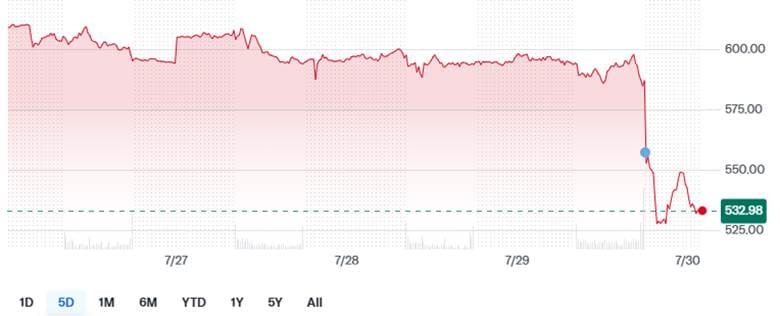
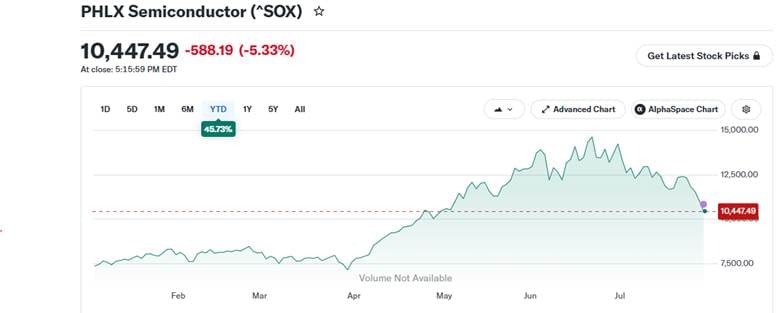
Two signals have been moving in opposite directions. On July 17, the Philadelphia Semiconductor Index closed 20.2% below its June 22 record, entering a technical bear market after its worst week in more than a year. The selloff deepened later in July, although chip stocks staged an 8.2% rebound on July 30 after strong Microsoft and Amazon results.
At the same time, Alphabet, Amazon, Meta and Microsoft are still on course to spend roughly $720 billion to $745 billion on capital investment this year. Three have raised or tightened their spending outlooks, while Microsoft says its underlying expansion plans remain intact despite an accounting change that reduced reported capex.
The apparent contradiction is therefore still real, but more precise: chip stocks are questioning the returns and valuations attached to the AI buildout, while the companies placing the orders continue to report strong demand.
So is AI spending in trouble, or is it fine and chip stocks just had a rough month? Which is it?
What's your read on the chip drawdown?
Demand is starting to crackResult
12.57%
Funding is getting tightResult
35.29%
Just a hot sector cooling offResult
52.14%
1,074 Polls
EndedTBD
The bear case: The buildout is eating the cash that funds it
The number to watch is free cash flow, but not because it represents a dedicated budget for the next round of chips. Free cash flow measures what remains after operating cash has covered capital expenditure (capex). When it turns negative, the buildout is no longer being financed entirely from internally generated cash.
That does not force chip orders to fall immediately.
Cash reserves, debt, leases and outside financing can keep spending going. But it introduces a second constraint: the buildout must satisfy not only management’s conviction, but also lenders’ required returns and credit-market appetite.
Alphabet’s free cash flow went negative for the first time since it went public in 2004.
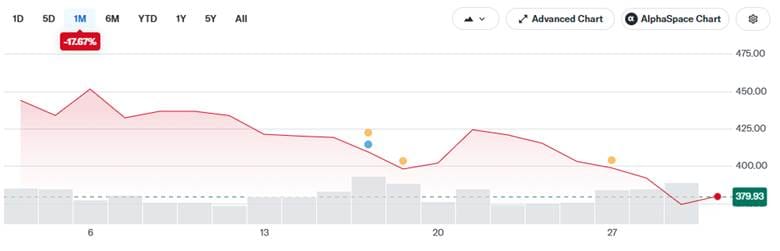
Meta reported on July 29 that it made $31.9 billion in cash from operations and spent $31.1 billion on capex, leaving $784 million. That left Meta with free cash flow equal to roughly 2.5% of its operating cash flow. Its stock fell about 10%, even though revenue grew 28%.
Alphabet posted negative quarterly free cash flow, while Meta retained only $784 million. Microsoft remained strongly positive at $19.6 billion, although that was down 23% year over year. Amazon’s trailing-12-month free cash flow, which is not directly comparable with the quarterly figures, turned negative by $7.6 billion.
For two years, this buildout was paid for out of pocket, and money spent out of pocket needs no one's approval. From here, a growing share of it gets borrowed, and borrowed money comes with terms, whether it is a coupon, a maturity, and a lender's view of how long AI demand lasts.
Chipmakers sit at the end of that chain and don't get a vote in it. They find out when the order arrives. Or doesn't.
The bull case: Two years of being wrong about this exact call
The bear case has a weakness: betting against hyperscaler capex has lost money for two straight years.
Goldman Sachs found that at the start of both 2024 and 2025, most analysts expected spending to grow about 20%. It actually grew more than 50% both years. As of June, Goldman still thinks analysts are underestimating and expects roughly $1.1 trillion in 2027.
The demand-side numbers haven’t cracked, either. Google Cloud’s backlog sits near $514 billion, roughly 5x where it was a year ago. TSMC, the world’s biggest chipmaker, beat expectations and raised its own spending plans during the same week the chip index crashed, and its stock fell anyway.
When good news doesn’t help a stock, the problem is usually investor mood rather When strong results fail to lift a stock, the gap often lies in valuation and prior expectations rather than current operating performance. Investors may believe the good news was already priced in, or that future returns will not justify the capital required to deliver it.
My read: this is no longer about whether AI demand is strong enough (backlog numbers & capex increases already answered this). The actual question is, can spending approaching $1 trillion a year be sustained long enough to keep clearing a bar the market has priced for flawless execution?
Put simply, this looks more like the SOX’s 105% run from its March low to the June peak finally meeting a bar it couldn’t keep clearing. A 45%-plus year-to-date gain surviving a 20% drawdown is a market that priced in flawless execution and is now pricing in merely very good execution.
Now, it’s a matter of whether capex nearing $1 trillion a year can keep being funded, and chip stocks, not hyperscaler stocks, are where this question gets tested first.
This is not a question a single earnings report answers. It gets resolved, one way or the other, over the next two quarters.
Free cash flow, not capex headlines.
Spending covered by operations answers to a CEO's conviction, but spending covered by bond issuance answers to credit markets, which can change their mind in a quarter for reasons that have nothing to do with AI. If FCF keeps compressing through Q3 and Q4, they’ll likely need to issue more debt, sooner, and possibly a larger amount at once.
Once a larger share of the buildout requires external financing, chip orders become more sensitive to interest rates, credit spreads, lease terms and lender appetite—in addition to underlying AI demand.
Whether Korea is a fundamentals signal or a leverage unwind.
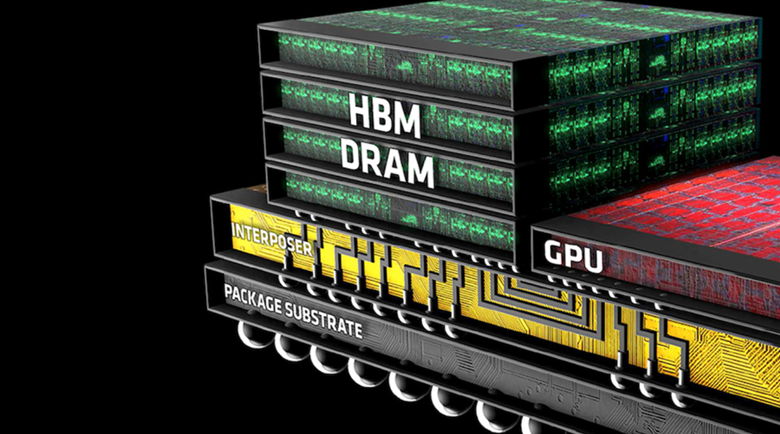
SK Hynix is one of the clearest upstream indicators of AI accelerator demand because it is a leading supplier of high-bandwidth memory. But its share price is not a pure demand signal: it also reflects memory-cycle expectations, valuation, Chinese competition and unusually heavy leverage in the Korean market.
Reuters reported signs of forced unwinding and found that leveraged products had amplified market volatility. The cleaner comparison is therefore between HBM contract pricing, shipment guidance and the share price. If operating indicators remain firm while the stock continues falling, that would strengthen—but not prove—the case that positioning and leverage are driving much of the decline.
Whether Kimi K3 changes workload economics.
Moonshot AI says Kimi K3 approaches leading U.S. models at substantially lower cost, although its own technical report still places it behind the strongest proprietary systems overall. Benchmark performance alone does not establish that enterprises will move production workloads. Reliability, security, integration, latency and migration costs matter as much as token pricing.
The effect on chip demand is also ambiguous. A more efficient model may require less compute for each task, but lower costs can expand the number of tasks companies are willing to run. Watch for named enterprise migrations, declining contracts at incumbent AI providers and sustained changes in accelerator utilization—not benchmark scores alone.
Which happens first?
A hyperscaler raises debt to fund capexResult
75.36%
SK Hynix stabilizes as the leverage clearsResult
14.18%
A named enterprise moves workloads to Kimi K3Result
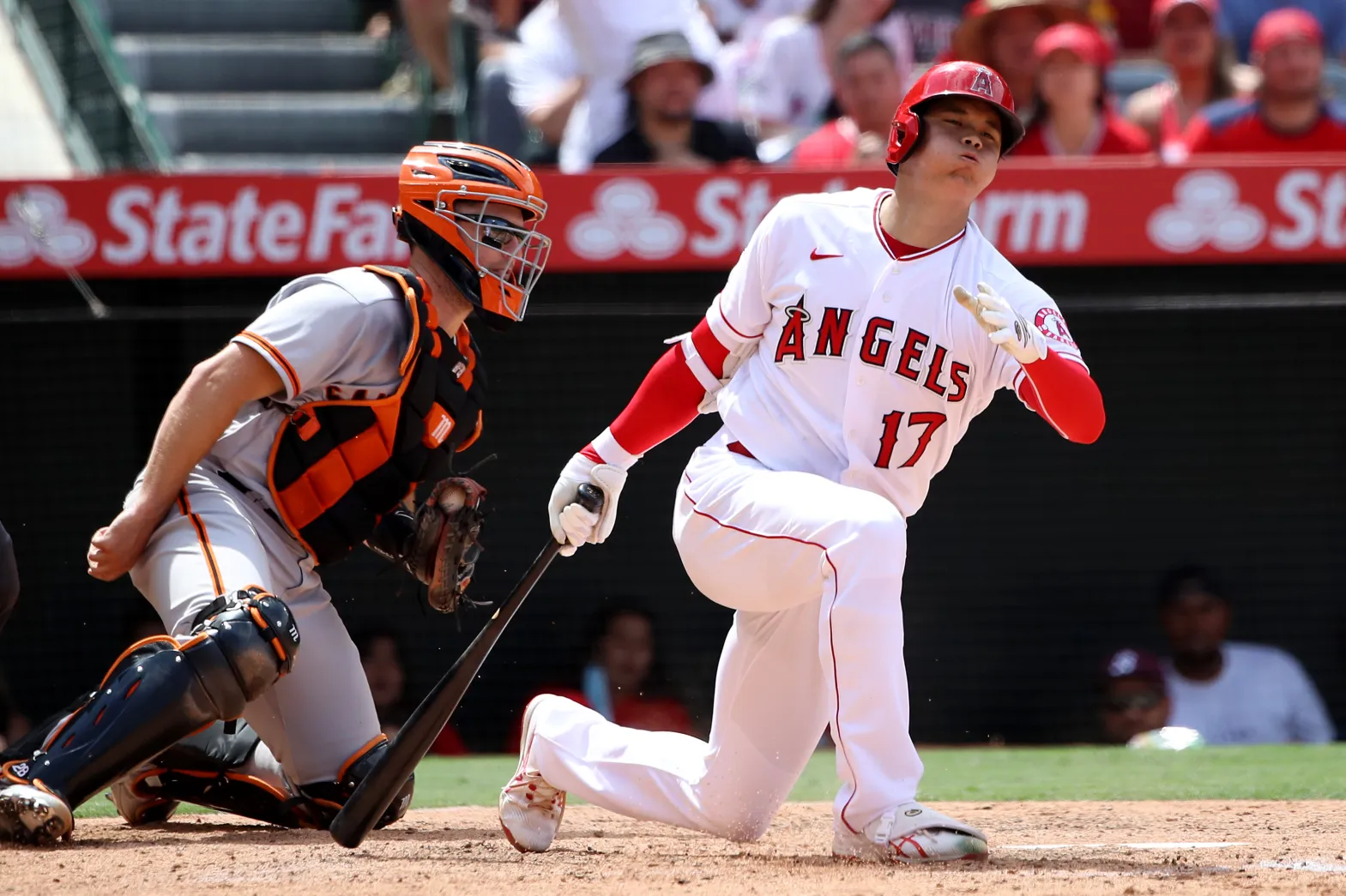
During the San Francisco Giants vs. Los Angeles Angels baseball game on July 24, the score was 6-6 entering the bottom of the 10th. With the bases loaded, Giants player Rafael Devers hit a ball that went over, or bounced over, the left-field wall. The play was initially treated as an extra-base hit that drove in two runs. The stadium scoreboard and some data sources initially displayed 8-6, but the score was later corrected to 7-6 (Giants 7, Angels 6) under MLB's special scoring rules for game-ending hits. MLB's official record and report, as well as Reuters, all confirm a 7-6 final, with Rafael Devers' game-winning hit scored as a single.
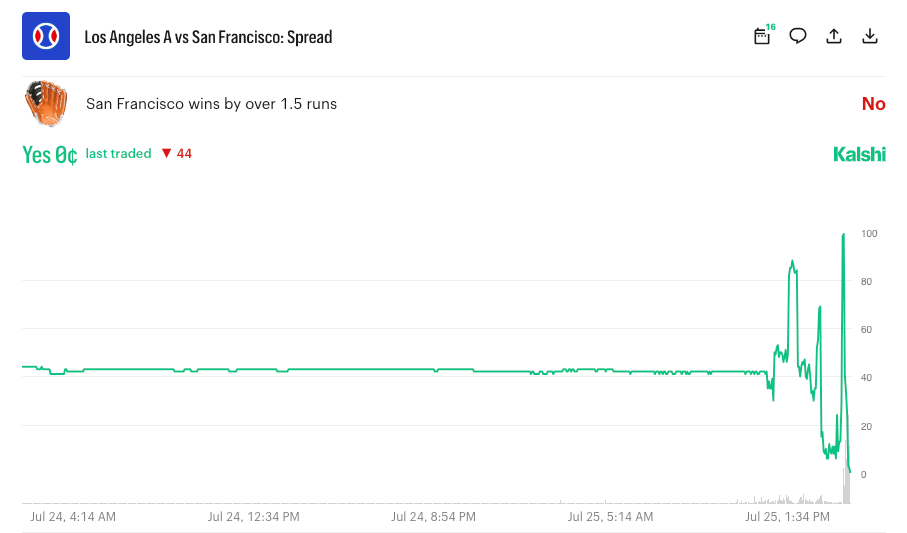
During the brief window in which 8-6 was treated as the final score, bonding bots bought contracts on Kalshi and Polymarket at prices close to 99 cents, including Game Total Over 13.5, Giants Team Total Over 7.5, and Giants Winning Margin Over 1.5. Informed traders who understand the baseball rules rapidly reversed positions and pushed binary-market prices toward their extremes.
Market price swung near settlement, potentially caused by bonding bot activities and informed traders who took trades in opposite directions.
Volume wise, Kalshi spread-market volume increased from about 11,000 contracts before the bottom of the 10th to roughly 5 million. Game Total Over 13.5 contract volume exceeded 1.1 million contracts. The Giants team-total market traded about 60,000 contracts.
Market participants estimated that losses across platforms may have reached seven figures. However, that estimate has not been confirmed by either the exchange or by an independent trade-level analysis.
MULTI-MILLION DOLLAR RINSE: Full single-post summary for people with normal sleep schedules of the most insane rinsing of bond bots I've seen firsthand, in which PM bonders appear to have lost 7 figures🤯
This means that Kalshi's total and team-total markets follow the earlier 8-6 display, while the spread market follows the official 7-6 final. Three markets tied to the same game therefore display an internally inconsistent final-score state.
Polymarket US used 8-6 to settle the spread, while Polymarket International used 7-6.
On compensation, one Reddit user said that a parlay containing Under 13.5 was initially graded at $0 and that the user later received a cash refund. Another user said support had promised a payment of about $1,500, but the money had not arrived as of the user's last update. There is no official Kalshi compensation announcement, so the evidence supports only the possibility of account-level compensation, not a platform-wide resettlement.
Will Kalshi make a public refund accouncement for affected users?
YesResult
54.58%
NoResult
45.42%
1,889 Polls
EndedTBD
Why Kalshi May Have Allowed This Outcome
Kalshi's baseball game-total rules state that the designated source is the governing league, that the official statistics at the end of the game are used, that later revisions after Expiration are not included, and that Expiration may be moved earlier once the outcome appears to be determined.
Kalshi's spread rules use a similar structure: the underlying is the final run differential; the source is the governing league; post-Expiration revisions are excluded; and early Expiration may be allowed.
For team-level baseball statistics, the source terms published by Kalshi use a hierarchy that includes the governing league, the official scorer, MLB.com, ESPN, Fox, and the official broadcaster. Those terms likewise exclude revisions made after expiration.
Therefore, each contract may be asking "What did the designated source or source hierarchy record at this market's expiration and determination time?"
If the total and team-total markets expired while the source showed 8-6, but the spread expired only after the source changed to 7-6, then:
Game Total Over 13.5 = Yes
Giants Team Total Over 7.5 = Yes
Giants -1.5 = No
would be possible simultaneously under the literal text of the contracts.
However, the event is a timing-consistency failure in which different contract groups may have frozen different versions of the same event. Even if each contract can be justified under its own rules, the cross-market system still has a consistency problem.
A Bonding Strategy Disclosed by a User
I would like to share an interesting strategy here. A trader using the name predict_anon on X said that s/he had operated a sports strategy on Polymarket that placed orders at 99.9 cents and that this event caused a large loss and prompted the strategy's shutdown.
According to that disclosure, the strategy worked as follows:
Monitor changes in Polymarket's tick size via the tick_size_change WebSocket notification. Before that, you can only place orders at 99c. After that, you can place orders at 99.9c.
After a result appeared certain, place an early order in the 99.9c queue.
Because earlier orders in the queue get filled first, posting orders at (not below)the API rate limit without waiting for the WS notification on tick_size_change is the best way.
Wait and obtain fills through earlier queue priority.
This strategy is not essentially risk-free. Rather, it continuously insures against extremely low-frequency but near-total-loss settlement risks at a rate of 99.9 cents. Under normal circumstances, each contract can only earn 0.1 cents, but a single error can result in a loss of 99.9 cents, equivalent to wiping out the profits of approximately 999 successful trades. Even more dangerous is that while being at the front of the order queue can increase the execution rate during normal periods, it also means being the first to accept toxic orders from informed traders when anomalies occur.
The deeper problem was not simply that a few bots misunderstood an unusual baseball rule. The total, team-total, and spread contracts were all derived from the same final score, yet they appear to have settled using different versions of that score. Even if each result can be defended under its individual expiration rules, the market as a whole became internally inconsistent.
Linked contracts should therefore share one verified data snapshot and one event-level settlement process, with an automated check confirming that every outcome can be generated from the same underlying result.
The response also raises a governance issue. Account-level refunds may reduce individual losses, but discretionary compensation is not a substitute for a transparent policy. Exchanges should disclose the exact data source, snapshot time, correction procedure, and compensation criteria used in disputed settlements. Otherwise, traders are to bear the uncertain chance that the platform will intervene after an error. In that sense, the final fraction of a cent earned by bonding bots is compensation not just for waiting, but for bearing the governance risk embedded in the exchange’s settlement architecture.
Disclaimer: The content is for informational purposes only. You should not construe any such information or other material as legal, tax, investment, financial, or other advice. Nothing contained in this article constitutes a solicitation, recommendation, endorsement, or offer by the author(s) or any third party service provider to buy or sell any securities or other financial instruments in your or in any other jurisdiction in which such solicitation or offer would be unlawful under the securities laws of such jurisdiction. The author(s) report(s) no conflict of interest.
OpenAI announced it is slashing the price of two of its latest artificial intelligence models, GPT-5.6 Terra and GPT-5.6 Luna.
The company said it is reducing the price of Terra by 20% and the cost of Luna by 80%.
The company is facing pressure to cater to a more cost-sensitive customer base and fend off competition from Chinese startups and other tech giants.
Do you think, will other AI model makers cut prices, by the end of August 2026?
YesResult
85.03%
NoResult
14.97%
1,309 Polls
EndedTBD
OpenAI on Thursday announced it is slashing the price of two of its latest artificial intelligence models, GPT-5.6 Terra and GPT-5.6 Luna, roughly three weeks after their public release.
The company is facing pressure to cater to a more cost-sensitive customer base, where enterprises have been less inclined to deploy expensive models without a clear picture of the return on their investments. It’s also working to fend off competition from Chinese startups and tech giants Google and Microsoft, which have been touting cost-effective models.
OpenAI launched three models as part of its GPT-5.6 series, including Sol, the most powerful offering, Terra, the mid-tier model, and Luna, its fastest offering.
The company said Thursday that it’s reducing the price of Terra by 20% to $2 per million input tokens and $12 per million output tokens. It’s cutting the cost of Luna by 80% to 20 cents per million input tokens and $1.20 per million output tokens. Sol’s pricing remains the same.
“Our strategy remains focused on advancing both capability and efficiency so each generation of intelligence can accomplish more work at a lower cost,” OpenAI said in a release.
OpenAI kickstarted the AI boom with the launch of ChatGPT in 2022, prompting companies across the U.S. to rush to deploy the technology and incentivize adoption within their workforces. The era of so-called tokenmaxxing was born, where employers encouraged staffers to use as much AI as possible without worrying about costs.
Ken Griffin’s Citadel has swooped in to buy a large portion of hedge fund Situational Awareness’ $16bn public equity holdings after Leopold Aschenbrenner’s investment firm endured steep losses in the AI sell-off, according to The Financial Times.
Citadel, a $71bn multi-strategy hedge fund, forged the crunch deal within the past 24 hours, according to multiple people familiar with the matter, in one of the largest rushed stock transactions in Wall Street history.
Will more Big Names hit headline for investing in Situational Awareness before August 1, 2026?
YesResult
58.76%
NoResult
41.24%
1,552 Polls
EndedTBD
The deal comes after Situational Awareness held urgent talks with multiple investors late on Wednesday about selling a significant portion of its public holdings, the people familiar with the matter said.
Situational Awareness also has private stakes in companies, including a $5bn Anthropic holding. It will continue to run as a private investment firm, according to one person familiar with the matter.
Situational Awareness, the $20bn hedge fund founded by former OpenAI employee Leopold Aschenbrenner, has sought to raise fresh capital from investors after suffering heavy losses during the recent rout in AI stocks, according to the Financial Times.
Is it true thatSituational Awareness is seeking funds (as of July 30, 2026)?
YesResult
79.92%
NoResult
20.08%
1,469 Polls
EndedTBD
The fund held discussions with existing investors and lenders in recent days seeking to raise new capital, according to people briefed on the matter.
The fund had also offered some investors the option to buy assets in its portfolio, the people added. One of the people briefed on the talks described them as ad hoc, rather than a co-ordinated effort.
The capital-raising effort comes as the fund, which Aschenbrenner launched after leaving OpenAI in 2024, has sustained a sharp fall in value amid intense market swings in recent weeks, several people familiar with its performance said.
It marks a powerful reversal for Situational Awareness, which posted meteoric returns in the first half of the year, tracking a huge rally in stocks linked to the AI boom. Several people familiar with the matter said that Situational Awareness had used borrowing to magnify its returns, a popular hedge fund strategy that can also amplify losses in a downturn.
In a letter sent to investors on July 24 presenting the fund’s half-year results, Aschenbrenner acknowledged that the fund had “not been immune” to the market ructions, particularly in Asia, but argued that the tech sell-off had created some of the most attractive investment opportunities since early 2025. “PS. At times we call out opportunities that seem like a particularly good time to add funds, if you have been waiting for one,” he said in the investor letter, seen by the FT, which was sent in recent days and offered the ability to invest new cash on August 1.
The hedge fund had notched blistering returns this year.